The Rise of Bio-Pesticides: Safer Alternatives for Pest Control in Modern Agriculture
Introduction:
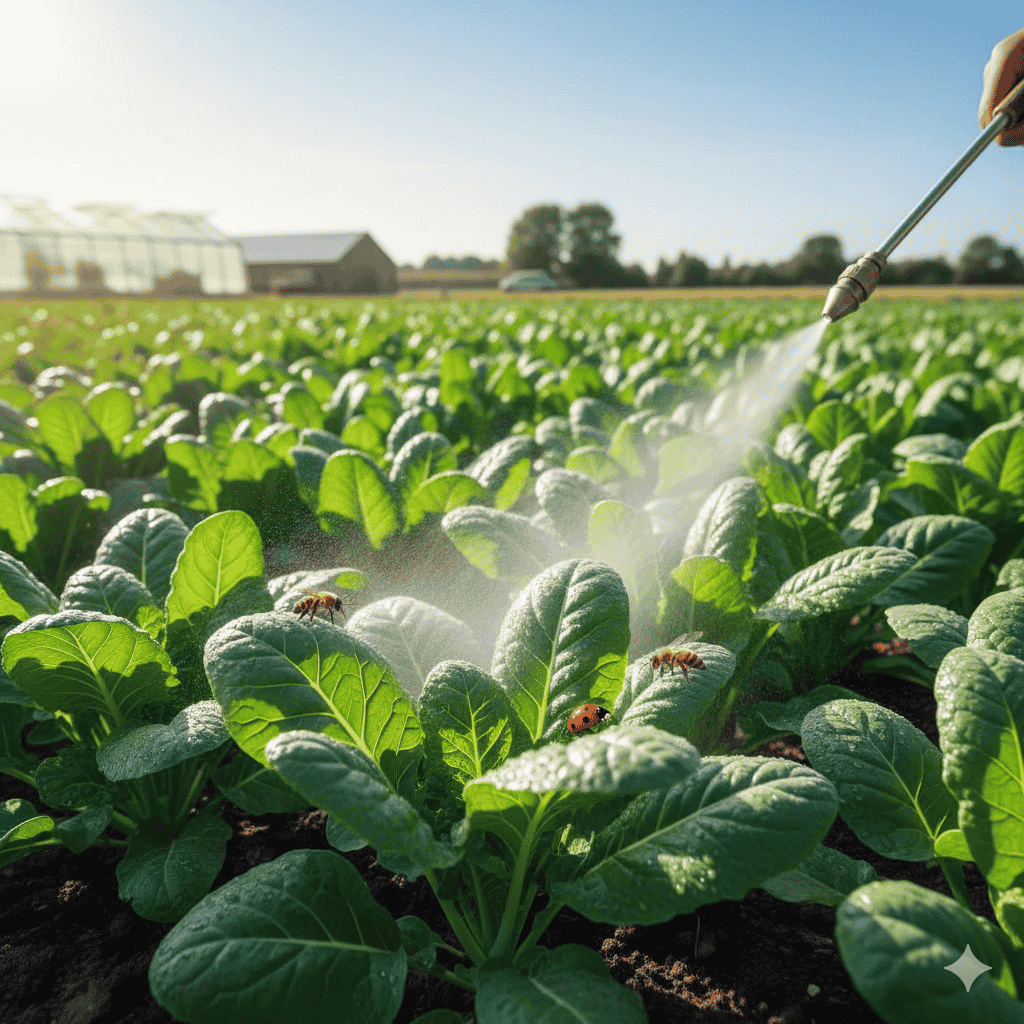
In recent years, the agricultural sector has witnessed a transformative shift towards sustainable and eco-friendly pest control methods, with bio-pesticides emerging as a leading solution. Bio-pesticides are derived from natural materials such as microbes, plants, and minerals, offering safer alternatives to conventional chemical pesticides. As concerns about environmental health, pesticide residues, and pest resistance grow, bio-pesticides provide an effective means to protect crops while preserving ecosystem balance. In 2025, their adoption is accelerating globally, driven by the urgent need for sustainable agriculture that ensures food safety and supports climate resilience. This blog explores the rise of bio-pesticides, highlighting their benefits, challenges, and role in modern pest control practices for a healthier farming future.
What Are Bio-Pesticides and Why Are They Important?
Bio-pesticides are naturally derived substances used to control pests in agriculture, offering a safer and environmentally friendly alternative to conventional chemical pesticides. Made from natural organisms or compounds, they target specific pests without harming beneficial insects, humans, or the environment. Their importance is growing rapidly due to increasing concerns about pesticide residues, resistance development, and environmental health risks. In 2025, bio-pesticides have become a critical part of Integrated Pest Management (IPM) programs worldwide, helping farmers maintain high crop yields sustainably.
How Do Bio-Pesticides Benefit Modern Agriculture?
Bio-pesticides provide multiple benefits over traditional pesticides including reduced toxicity, lower health risks, and biodegradability. They minimize environmental contamination and contribute to healthy soil and ecosystem balance. Many bio-pesticides have slower resistance buildup and can be used in rotation with chemical solutions to enhance effectiveness. Their compatibility with sustainable farming practices aligns well with consumer demand for residue-free food and organic produce. These qualities make bio-pesticides vital for addressing food security and supporting climate-resilient agriculture.
What Are the Challenges of Using Bio-Pesticides?
While bio-pesticides offer numerous advantages, they also face challenges like slower pest control effects, variability in efficacy, and shorter persistence in the field compared to chemicals. Successful application requires greater farmer knowledge, precise timing, and sometimes innovative delivery techniques such as microencapsulation or controlled-release formulations to maximize their potential. Regulatory complexities and market awareness also affect adoption rates globally. Ongoing research is focused on overcoming these limitations through better formulations, farmer education, and integrated use with other pest management strategies.
How Are Bio-Pesticides Integrated into Sustainable Pest Control?
Integration of bio-pesticides into IPM practices is becoming standard as they complement biological controls and reduce chemical pesticide reliance. They work synergistically with natural predators and environmentally safe practices, enhancing crop protection while minimizing negative impacts. Advances in technology, such as data analytics and precision application, further optimize their use. Governments and research institutions are promoting bio-pesticides through favorable policies, subsidies, and training programs to ensure sustainable agricultural productivity and ecological balance in 2025 and beyond.
Conclusion
The rise of bio-pesticides marks a transformative shift in modern agriculture, providing safer, eco-friendly alternatives for effective pest control. In 2025, their growing adoption supports sustainable farming, reduces health and environmental risks, and addresses global challenges like pesticide resistance and food security. While challenges remain, continuous innovation and integration into IPM programs pave the way for a healthier agricultural future. Embracing bio-pesticides aligns perfectly with both consumer demand and global sustainability goals, making them indispensable in contemporary pest control strategies.