The 5-Minute Home Check That Could Save You Thousands
Small Signs Can Lead to Big Problems
Picture this. You notice a thin line of dirt running up the inside of a door frame, or a few tiny black droppings behind the kitchen cabinet. You shrug, wipe it away, and get on with your day. Six months later, that same door frame is crumbling, and the repair quote makes your stomach drop.
It happens more often than people think, and it usually starts with something small that nobody took seriously.
So here is the short answer to the question most homeowners are really asking: yes, a simple five-minute walk around your home can reveal early signs of a pest problem. You are looking for droppings, mud tubes, gnaw marks, damp corners, and tiny entry gaps. Catching these early makes pest control easier, quicker, and often less expensive than waiting until the damage is obvious. (A quick check can't diagnose everything, but it is a great first step.)
Below is a practical checklist you can follow today, plus what to do when you find something.
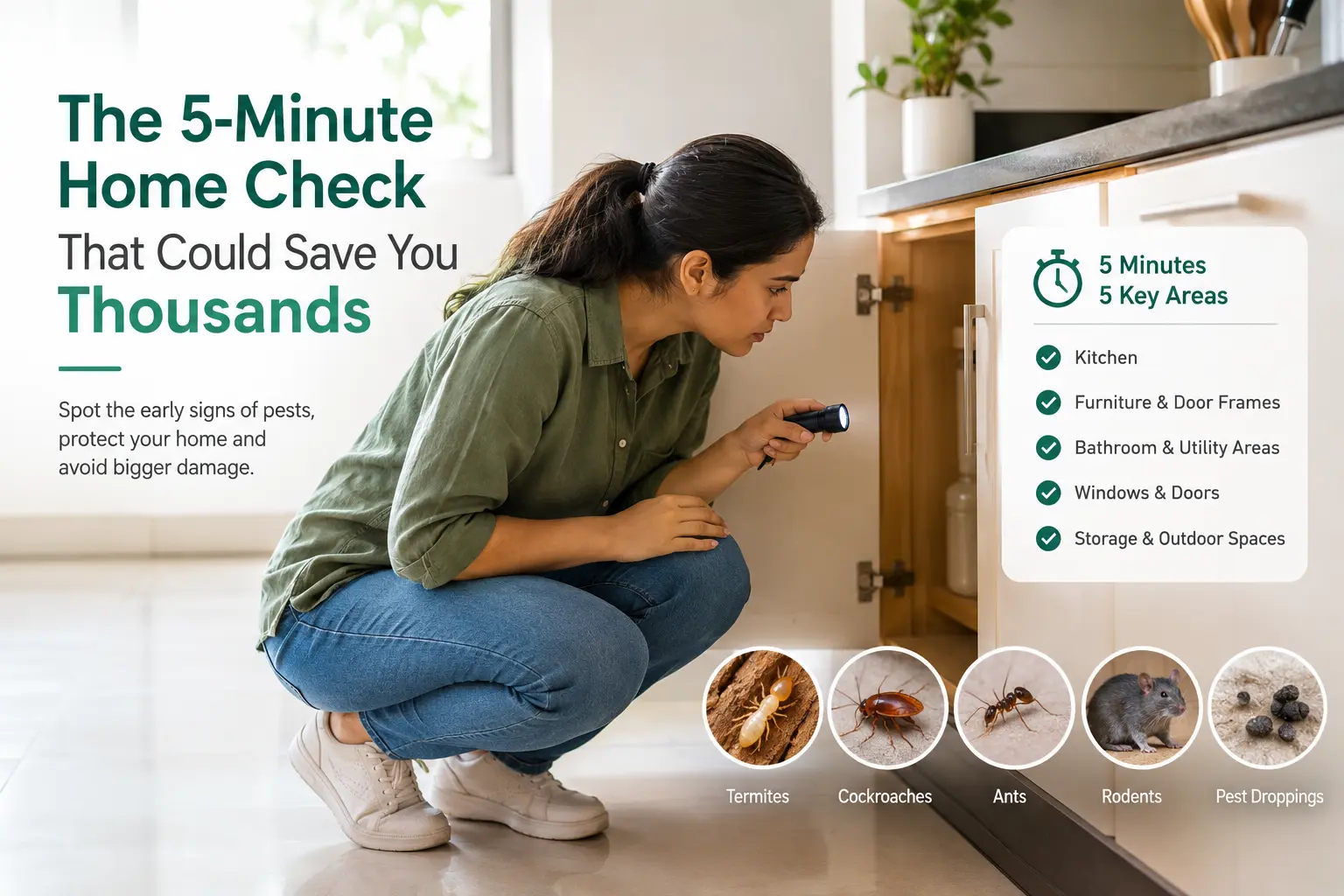
The 5-Minute Home Pest Inspection Checklist
Grab your phone's flashlight and a pen. Spend one minute on each area. You don't need any special tools, just your eyes and a bit of curiosity.
Minute 1: Kitchen
- Open cupboards and look into corners and along the back edges.
- Check under the sink and around the gas line for droppings or small, brown, capsule-shaped cases (these can be cockroach egg cases).
- Look at food storage areas for ants, torn packaging, or a musty, oily smell.
Minute 2: Wooden furniture and door frames
- Look for thin mud-like tubes running along walls, frames, or skirting boards.
- Gently tap wooden surfaces. A hollow sound can be a warning sign.
- Notice bubbling or blistering paint, tiny pinholes, or fine sawdust-like powder below wood.
Minute 3: Bathrooms and utility areas
- Inspect damp corners, leaking taps, and pipe joints.
- Check drains and the space beneath sinks and washing machines.
- Moisture attracts pests, so even a slow leak is worth noting.
Minute 4: Windows, doors and walls
- Look for gaps around frames, damaged window screens, and cracks in walls.
- Check for gnaw marks, greasy rub marks along edges, or insect trails.
- Pay attention to where pipes and cables enter the house.
Minute 5: Storage areas and outdoor spaces
- Check cardboard boxes, old newspapers, and stored clothes.
- Look at garden debris, piles of wood, and areas with standing water.
- Peek into the corners of the balcony or terrace too.
Save this tip: Take a quick photo of anything unusual. It makes it much easier to explain the situation to a professional later.
Keep in mind that this is a visual check, not a professional diagnosis. Some pests, especially termites, can stay hidden inside walls or wood for a long time without leaving obvious clues.
Five Warning Signs You Should Never Ignore
Not every mark means an infestation. Dust can look like droppings, and old stains can look like damage. Still, these five signs deserve a closer look.
1. Mud tubes. Small, pencil-width tunnels made of soil on walls, foundations, or wooden frames are a classic sign of termite activity. They help termites travel while staying protected from open air.
2. Discarded wings. Tiny, translucent wings collected near windows or doorways, often after rain, may mean winged termites have been swarming nearby.
3. Rodent droppings. Small, dark, pellet-like droppings near food, in cupboards, or along walls suggest rats or mice are moving through your home.
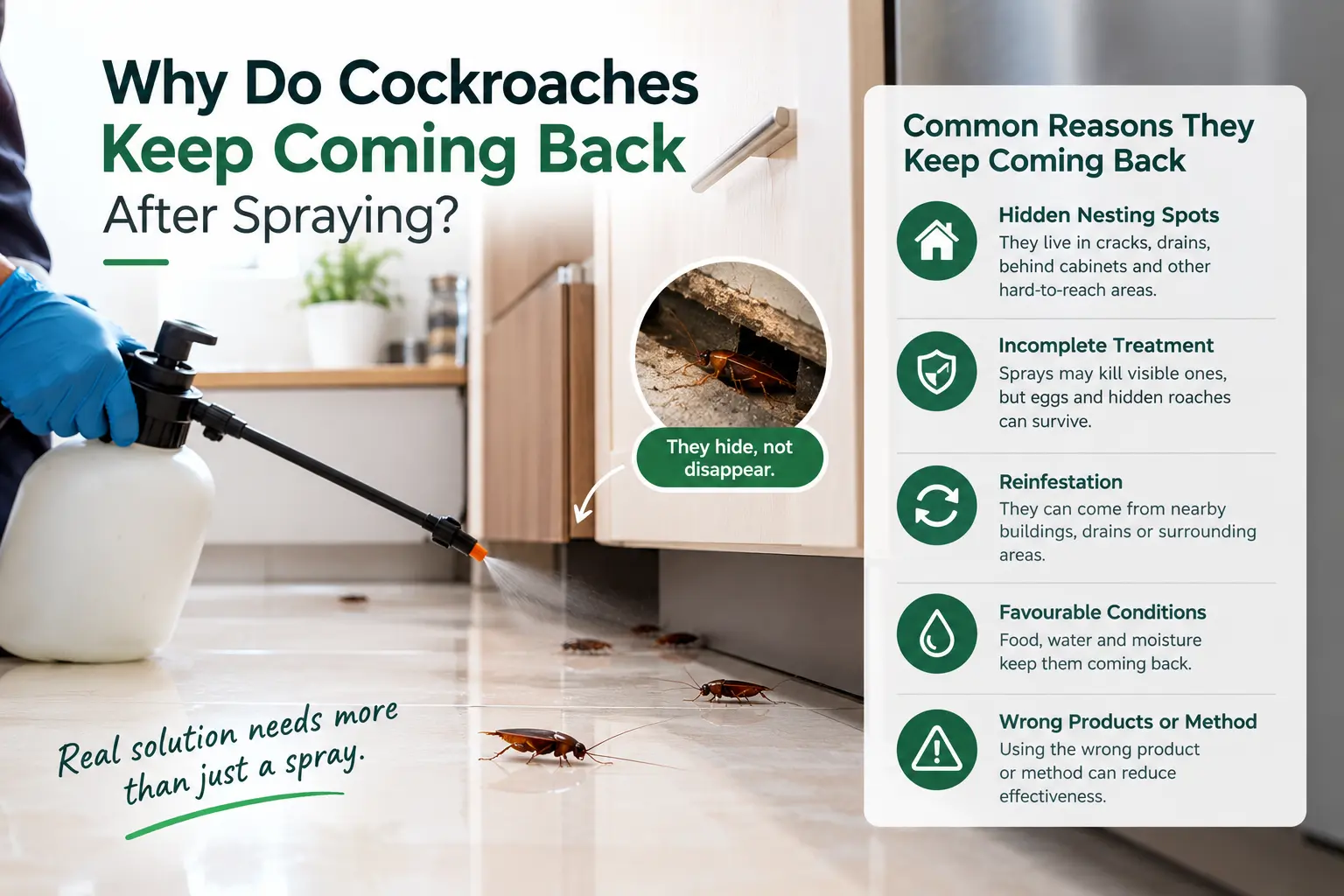
4. Cockroach egg cases and droppings. Finding egg cases or tiny pepper-like specks in kitchens and bathrooms points to a breeding population, not just a lone visitor.
5. Unexplained wood damage. Hollow-sounding wood, crumbling edges, or tiny holes with fine powder can have more than one cause, including moisture damage. That's exactly why a professional opinion helps.
One sign on its own may have a harmless explanation. Several signs together, or the same sign coming back again and again, tell a clearer story.
What Happens If You Ignore Early Pest Signs?
Pests rarely stay at the same level. Left alone, a small problem can grow quietly in the background.
Here is what can follow:
- Structural wood damage. Termites feed on wood and other cellulose materials, which can weaken doors, window frames, furniture, and, in serious cases, structural timber.
- Contaminated food. Cockroaches and rodents can spread germs by walking over surfaces and food, which is a real concern for families with children or elderly members.
- Recurring infestations. If the cause (moisture, food access, entry gaps) isn't dealt with, pests tend to return.
- More extensive treatment. The longer a problem runs, the more work it usually takes to deal with it.
Costs vary widely depending on the type of pest, how far it has spread, the condition of the property, and the treatment required. There's no honest one-size-fits-all number, but it's fair to say that acting early generally keeps both the damage and the effort smaller.
Why Homes in Kerala Need Regular Pest Checks
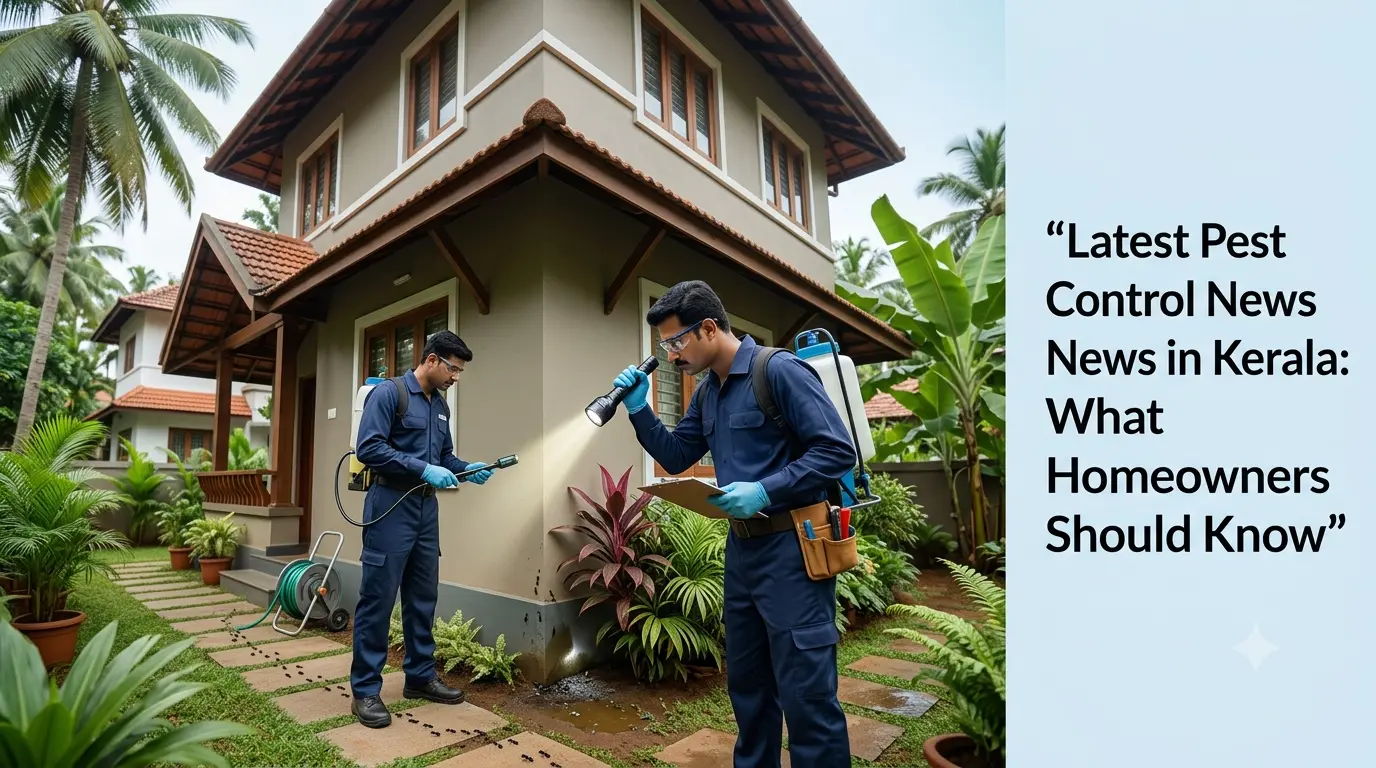
Kerala's warm, humid climate is lovely for coconut trees and not so lovely for household pest problems. During the monsoon, extra moisture can seep into walls, wooden frames, and storage areas, creating the kind of conditions many pests look for.
Some common factors include:
- Humidity and monsoon moisture that keep wood and walls damp.
- Leaking pipes and poor drainage that leave water standing near foundations.
- Damp storage spaces such as store rooms and under-stair areas.
- Dense greenery and garden debris close to the house.
This doesn't mean every home in Kochi or elsewhere in Kerala has the same level of risk. Older homes, ground-floor flats, houses with lots of timber and properties near water bodies may simply deserve a bit more attention. A quick home pest inspection before and after the rainy season is a sensible habit.
Simple Pest Prevention Tips That Work
Good prevention is mostly about removing what pests want: food, water, and shelter. These pest prevention tips are easy to start today.
- Store food in sealed containers. Especially rice, flour, sugar, pulses, and pet food.
- Fix leaks and reduce moisture. Repair dripping taps and pipes, and let damp areas dry out.
- Seal gaps around entry points. Close small cracks around pipes, doors, and windows with suitable sealants.
- Keep storage spaces organised. Cluttered corners give pests somewhere to hide.
- Remove cardboard and garden debris. Old boxes and piles of dead leaves or wood are favourite hiding places.
- Keep the kitchen clean. Wipe surfaces, empty bins regularly, and dispose of waste properly.
- Book an inspection when signs persist. If you keep seeing the same warning signs, don't wait it out.
These habits won't make a home completely pest-proof, but they go a long way towards preventing pest damage.
When Should You Call a Professional Pest Control Service?
DIY sprays have their place, but some situations really do need an expert eye. Consider calling for professional pest control services when:
- You keep seeing the same pests even after cleaning and basic treatment.
- You suspect termite activity, such as mud tubes, hollow wood, or discarded wings.
- You find rodent evidence like droppings, gnaw marks, or nesting material.
- The suspected problem is in an area you can't safely reach, such as inside walls, ceilings, or under flooring.
Two quick cautions:
- Don't break open suspected termite tunnels or galleries. Disturbing them can make termites move elsewhere in your home and make it harder to assess the problem accurately.
- Don't use pesticides carelessly. Using the wrong product, or too much of it, can be harmful to children, pets, and food areas. Always follow label instructions or ask a trained professional.
A good provider will inspect first, explain what they find, and recommend a treatment based on your situation, rather than pushing a standard package.
Frequently Asked Questions
What are the first signs of pests in a home? Common early signs include droppings, gnaw marks, mud tubes, discarded wings, a musty or oily smell, and small insects appearing regularly in the same spot.
How often should you inspect your home for pests? A quick check once a month works well for most homes, with a more careful look before and after the monsoon. Check more often if you've had pest problems before.
Can a five-minute home check detect termites? It can help you notice early signs of termites, like mud tubes or hollow wood, but it can't confirm or rule out an infestation. Termites often stay hidden, so a professional inspection is the reliable way to be sure.
When should I call a professional pest control service? Call when signs keep returning, when you suspect termites or rodents, or when the problem seems to be in places you can't reach or see.
Is professional pest control necessary if I see only one pest? Not always. A single insect may just be a visitor. But if you see it repeatedly, or find droppings, egg cases, or damage, it's worth getting it checked.
Conclusion: Make the 5-Minute Check a Habit
Pest problems rarely arrive with a warning siren. They show up as a faint trail, a small dropping, a patch of damp, or a door frame that sounds a little too hollow. The good news is that a simple five-minute walk-through can help you spot these signs early, while the fix is still manageable.
Check your kitchen, wooden frames, bathrooms, entry points, and storage areas. Fix moisture problems, keep food sealed, and pay extra attention during the monsoon. If something doesn't look right, take a photo and get it assessed rather than guessing.
Good pest control is really about paying attention early, and a few minutes of that attention can protect your home, your health, and your budget.
Noticed signs of pest activity in your home? Contact PestTrack to discuss your pest control needs and find the right next step. Whether you're dealing with termite control, cockroach control, or rodent control, PestTrack offers pest control services in Kochi and can help you work out what's going on.
Publishing Notes (not part of the article)
Three internal-link opportunities (link to your existing pages):
- "termite control" or "early signs of termites" → PestTrack termite control service page
- "cockroach control" → cockroach control service page
- "rodent control" → rodent control service page (or "pest control service in Kochi" → homepage/services page)
Featured image concept: An original photo of a technician (or homeowner) with a flashlight inspecting a wooden door frame in a Kerala home, with a kitchen cupboard visible in the background. Use a real PestTrack photo, not stock, if possible. Alt text: "Homeowner using a flashlight to inspect a wooden door frame for early signs of termites"
BlogPosting schema recommendation: Use JSON-LD with headline, description (the meta description), image, datePublished, dateModified, author (a real author or reviewer name, with a Person or Organization type) and publisher (PestTrack with logo), and mainEntityOfPage set to the blog URL. Only include data that is visible on the page.
BreadcrumbList schema recommendation: Home → Blog → "The 5-Minute Home Check That Could Save You Thousands", with positions 1, 2, and 3 and full URLs, matching the visible breadcrumb on the page.
Editorial checks before publishing: Add a real author or pest-expert reviewer name; add one or two trustworthy external sources if you want to cite technical claims (for example, a government or university pest-management page); and confirm the internal URLs.