How Climate Change Is Increasing Mosquito and Dengue Risk in Kerala
Introduction
Kerala's weather has always had a rhythm to it a hot pre-monsoon stretch, weeks of heavy rain, then a slow return to dry ground. Lately, though, that rhythm feels less predictable. Rain arrives in shorter, heavier bursts, humidity lingers longer than it used to, and water seems to sit around homes and streets for days after a downpour instead of draining away quickly. For many residents, this has become linked to something else that feels less predictable too: mosquitoes, and the dengue cases that tend to follow the monsoon each year.
It's worth being precise about what's actually going on here. Climate is one factor that can influence mosquito activity and dengue risk, but it isn't the only one. Urbanization, how water is stored, drainage infrastructure, sanitation habits, and how quickly breeding sites get identified and removed all play a role too. Understanding this bigger picture is what actually helps in reducing risk, and it's also why mosquito prevention and a reliable pest control service in Kochi have become a genuinely practical consideration for many households and businesses, not just a seasonal afterthought.
How Is Climate Change Affecting Mosquitoes in Kerala?
Mosquitoes are unusually sensitive to their environment, and a few climate-linked shifts matter more than people realize:
- Temperature affects how fast mosquitoes develop from egg to adult, and how quickly a virus like dengue can replicate inside them once they've picked it up
- Rainfall patterns — not just total rainfall, but how it's distributed determine how often new water-collection points appear
- Humidity affects mosquito survival rates; higher humidity generally means mosquitoes live longer
- Longer or shifted rainy periods can extend the window during which breeding conditions remain favourable
- Water accumulation, whether from heavier single-day rainfall or poor drainage, directly increases the number of places mosquitoes can lay eggs
None of this means climate change alone causes dengue outbreaks. It means these changes can make the underlying conditions more favourable for mosquito populations to grow, which is a meaningfully different and more accurate statement.
Why Does the Monsoon Increase Mosquito Breeding?
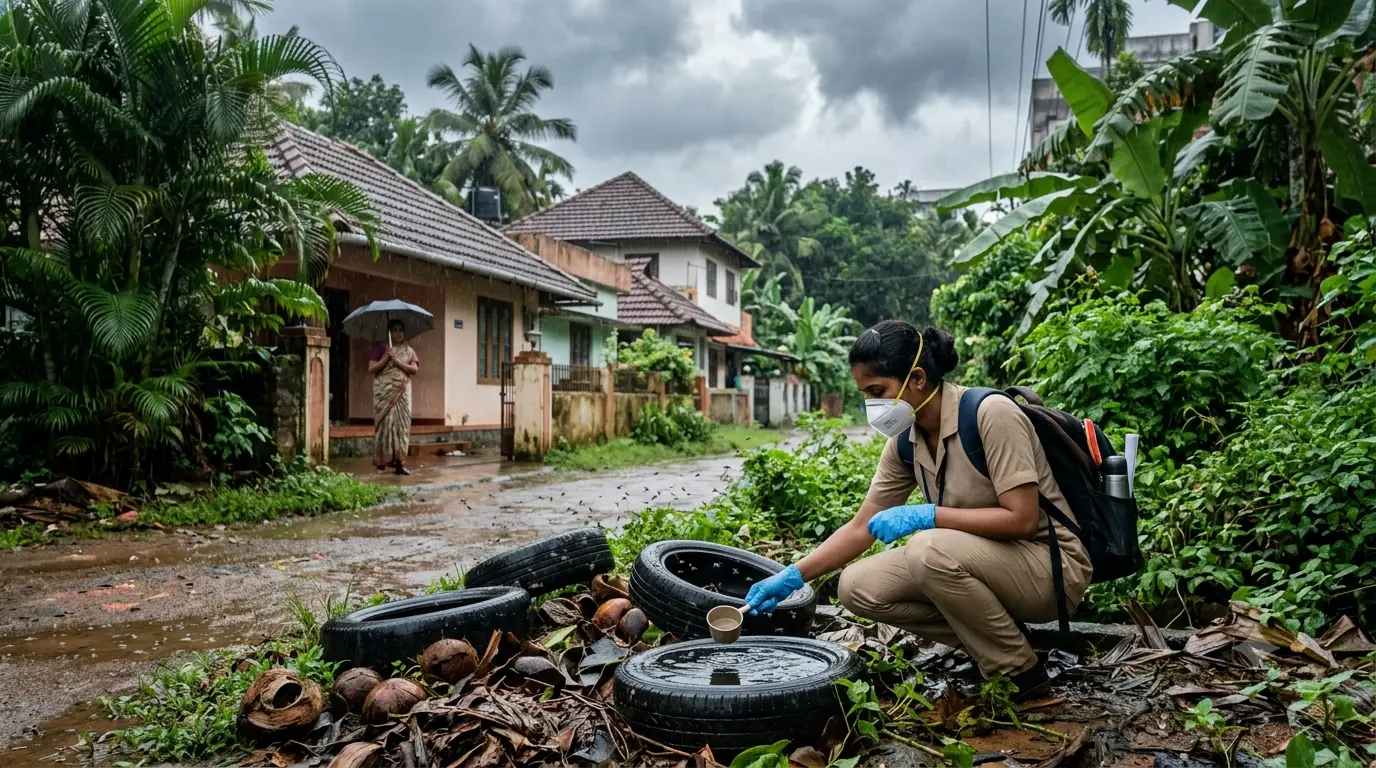
The Aedes mosquito responsible for dengue doesn't need much water to breed; a small amount sitting undisturbed for about a week is enough. During Kerala's monsoon, that kind of water shows up almost everywhere:
- Flower pots and their saucers
- Discarded containers, bottles, and tins
- Old tyres
- Coconut shells
- Water storage tanks and drums
- Roof gutters clogged with leaves
- Construction materials and equipment left outdoors
- Blocked or slow-draining drains
- Any other small container that can hold water for a few days
This is why mosquito breeding prevention tips for homes almost always start with the same instruction: find and eliminate standing water, repeatedly, throughout the season, not as a one-time task before the rains begin.
What Is the Connection Between Climate Change and Dengue Risk?
Dengue spreads when an Aedes mosquito bites a person carrying the virus and later bites someone else. The mosquito itself doesn't create the virus; it's a carrier. What climate conditions influence is how many of these mosquitoes exist, how long they live, and how efficiently they can transmit the virus between bites.
The World Health Organization has pointed to temperature, rainfall, and humidity as among the environmental factors that influence mosquito populations and, in turn, dengue transmission, while also noting that broader factors including unplanned urbanization and population movement shape how the disease actually spreads. A WHO arbovirus specialist has described mosquitoes as highly sensitive to temperature, since it affects both how fast they develop and how quickly a virus incubates inside them.
This distinction matters for how we think about prevention: climate creates conditions that can make dengue transmission more likely, but the actual outcome whether cases rise in a specific area still depends heavily on local factors like water management, sanitation, and how quickly breeding sites are addressed.
Why Kochi Needs Better Mosquito Prevention During Changing Weather
Kochi's own geography adds to this picture. As a low-lying, densely built coastal city, it deals with:
- Heavy rainfall concentrated into intense spells
- Waterlogging in low-lying residential pockets and roadside areas
- Dense apartment clusters where a single unmanaged water source can affect many households
- Ongoing construction activity, which often creates temporary but effective breeding sites
- Water containers and sumps that aren't always tightly covered
- Drainage systems that can struggle to keep pace during heavy rain
- Commercial properties with outdoor areas that don't always get the same attention as customer-facing spaces
Given these overlapping factors, a one-time seasonal cleanup rarely holds up through an entire monsoon. This is where a professional pest control service in Kochi tends to add real value, not by replacing basic household prevention, but by covering the inspection, monitoring, and treatment work that's difficult to sustain consistently on your own, especially across larger properties or shared community spaces.
How to Prevent Mosquito Breeding Around Your Home
A practical, repeatable checklist works better than a single big cleanup:
- Remove stagnant water wherever you find it; don't wait for a scheduled cleaning day
- Keep water storage containers, tanks, and sumps tightly covered
- Clean roof gutters and drainage channels regularly
- Empty plant trays and outdoor containers at least weekly
- Dispose of discarded items that can collect rainwater: tyres, broken pots, packaging
- Check construction and garden areas after every rainfall, not just occasionally
- Keep outdoor areas clean and dry wherever possible
- Use mosquito nets, screens, or repellents indoors as an added layer of protection
- Inspect difficult-to-reach spots behind sheds, under stairs, and roof corners
- If mosquito activity persists despite all this, consider professional assistance
When Should You Consider Professional Mosquito Control?
Most mosquito problems can be managed with consistent household prevention. But certain situations tend to justify bringing in professional mosquito control in Kochi:
- Mosquito activity that persists despite regular cleaning
- Breeding that keeps recurring in the same spots
- Large outdoor areas that are hard to monitor thoroughly
- Commercial premises with higher hygiene expectations
- Active construction sites with ongoing water accumulation
- Drainage or waterlogging issues that aren't easily fixed at the household level
- Breeding sources you simply can't locate on your own
In these cases, a mosquito control service in Kochi isn't a shortcut around basic prevention; it's a way of covering the gaps that individual effort alone often can't close.
What Can a Professional Pest Control Service in Kochi Do?
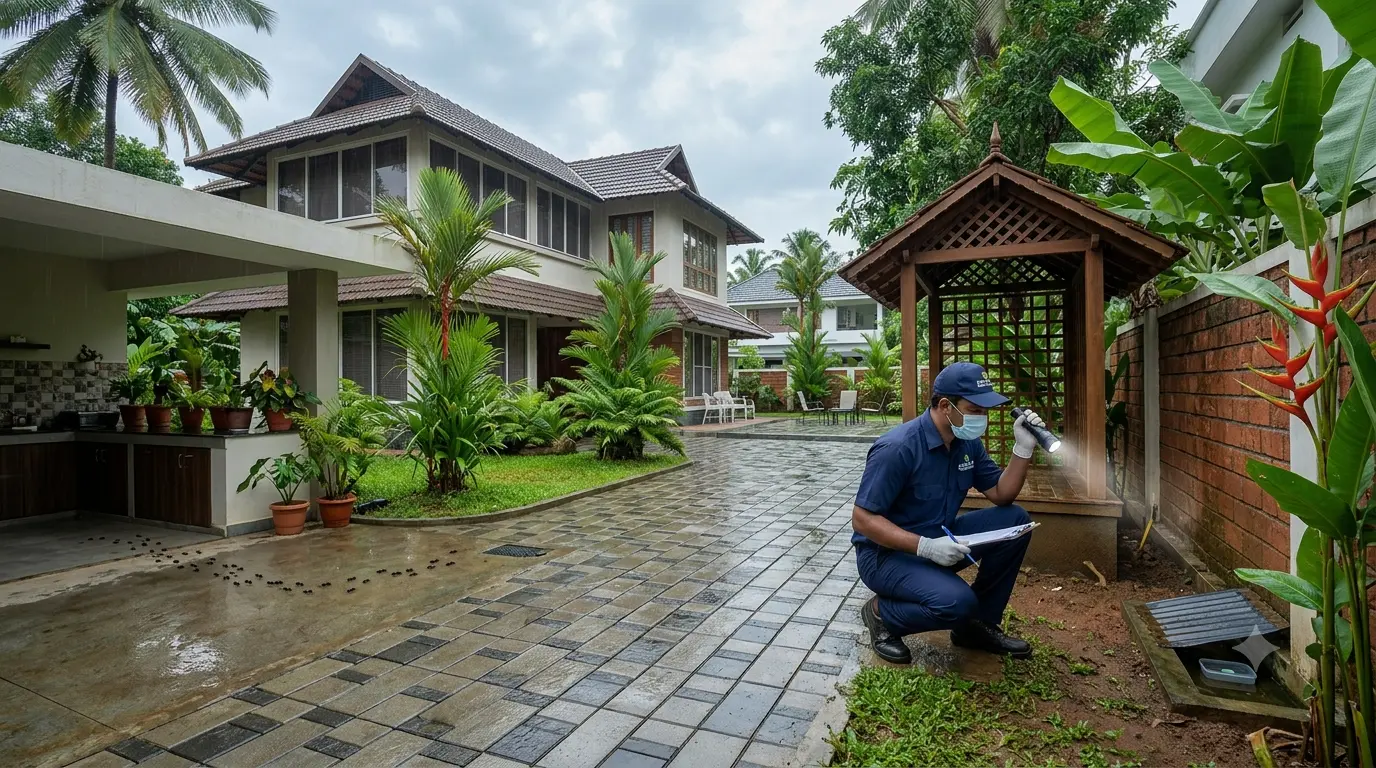
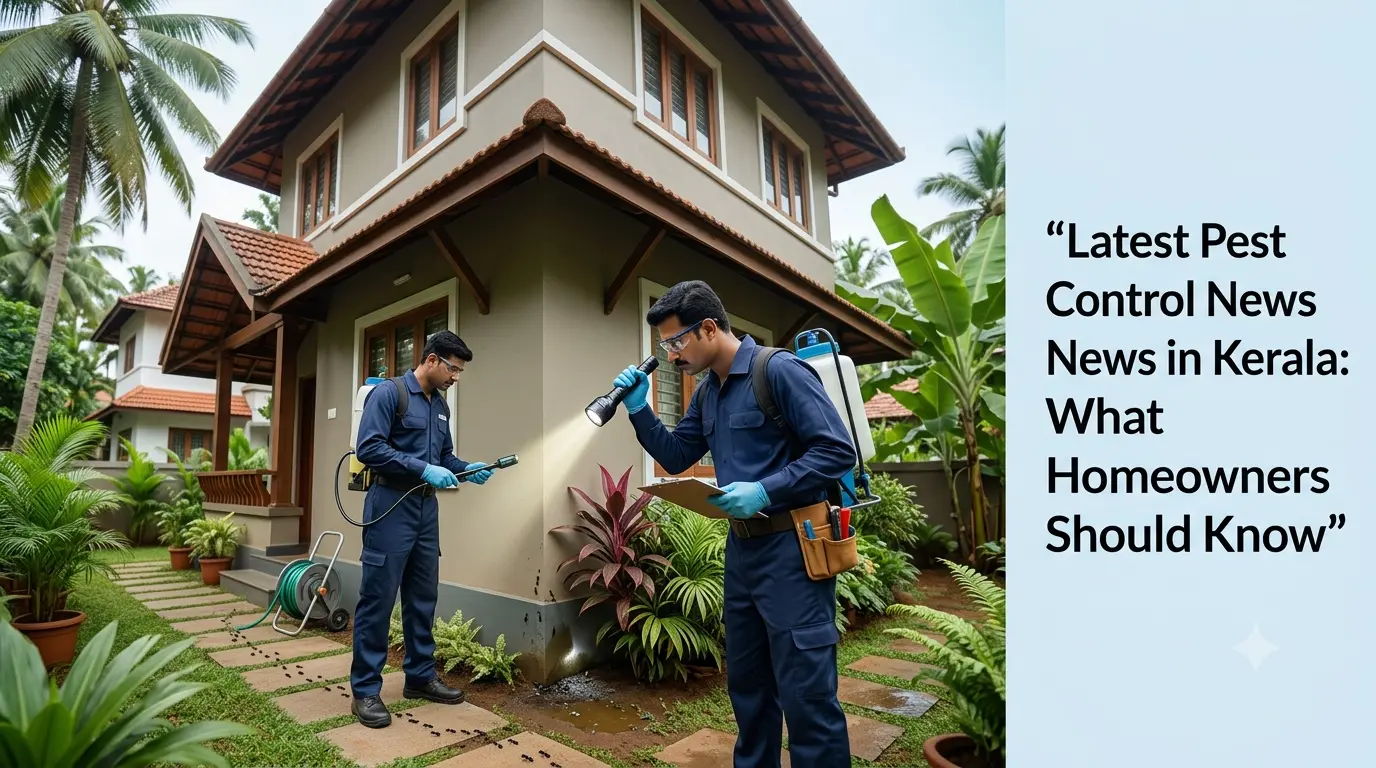
Professional mosquito treatment for homes and businesses generally follows a structured process:
- Property inspection to understand the layout and likely risk areas
- Identification of breeding sites, including ones that aren't obvious during a casual walk-through
- Assessment of mosquito activity levels across the property
- Source reduction recommendations — practical changes to reduce standing water
- Treatment of identified problem areas, where appropriate
- Preventive guidance tailored to the property
- Follow-up monitoring, particularly useful during extended monsoon periods
It's worth stating clearly: professional treatment works best alongside basic source reduction and community-level prevention, not as a replacement for either.
Can Climate Change Make Mosquito Prevention More Important?
As rainfall patterns become less predictable and humid conditions extend for longer stretches, regular monitoring becomes more useful than a purely seasonal approach. Waiting until mosquito numbers become noticeable the usual trigger for most households to act tends to mean the breeding conditions have already been building for a while. A more proactive approach, checking consistently rather than reactively, fits better with the kind of shifting conditions Kerala has been experiencing.
Mosquito Prevention Tips for Homes and Businesses in Kochi
For homes, attention should regularly extend to balconies, gardens, water tanks, plant pots, roof areas, and drains- spots that are easy to overlook because they're not part of daily indoor routines.
For businesses — restaurants, offices, hotels, warehouses, construction sites, and commercial buildings the same principle applies to outdoor seating areas, drainage systems, waste-storage zones, parking areas, and any active construction work. Mosquito control for businesses in Kochi often needs to be more structured than residential prevention, simply because these properties tend to have more outdoor exposure and higher footfall.
The Importance of Community Mosquito Control
No single household can fully control mosquito breeding on its own, because mosquitoes don't respect property boundaries. A well-maintained home next to a neglected plot or blocked community drain still carries risk. Effective mosquito prevention at scale depends on:
- Neighbourhood-level cleanliness
- Proper waste disposal that doesn't create new water-collection points
- Regular maintenance of shared drains
- Community awareness about identifying and reporting breeding sites
- Coordinated action, particularly in apartment complexes and residential associations
This is often where individual prevention efforts hit their limit and where community coordination, sometimes supported by professional pest management, makes the biggest difference.
Frequently Asked Questions
How does climate change affect mosquito breeding in Kerala?
It can influence temperature, rainfall patterns, and humidity, all of which affect how quickly mosquitoes develop and how long they survive. It's one contributing factor among several, not the sole cause of increased breeding.
Why do mosquitoes increase during the monsoon in Kerala?
Rainfall creates frequent new water-collection points in containers, drains, gutters, and low-lying areas, which gives Aedes mosquitoes far more places to lay eggs than during drier months.
How can I prevent mosquito breeding around my home?
Regularly remove standing water, keep containers and tanks covered, clean drains and gutters, and check hard-to-reach areas after every rainfall rather than only during a seasonal cleanup.
Does stagnant water increase dengue risk?
Yes, indirectly. Stagnant water is where Aedes mosquitoes breed, so more standing water generally means more mosquitoes, which can increase the chances of dengue transmission in an area.
How often should mosquito breeding areas be checked?
Weekly checks are a reasonable baseline during the monsoon, with an additional check after any significant rainfall, since new breeding sites can form quickly.
When should I contact a mosquito control service in Kochi?
If mosquito activity continues despite regular home prevention, if breeding keeps recurring, or if you're managing a large or commercial property that's hard to monitor consistently.
Can professional pest control completely prevent dengue?
No. Professional mosquito control reduces breeding and mosquito populations, which lowers risk, but it cannot guarantee dengue prevention on its own. Personal protection and public-health guidance remain important too.
What are the best ways to control mosquitoes around a home?
Consistent removal of standing water, covered water storage, clean drains and gutters, and indoor protection like screens or nets — combined with professional help if problems persist.