AI in Pest Control: How Smart Sensors Could Change Pest Management
Introduction
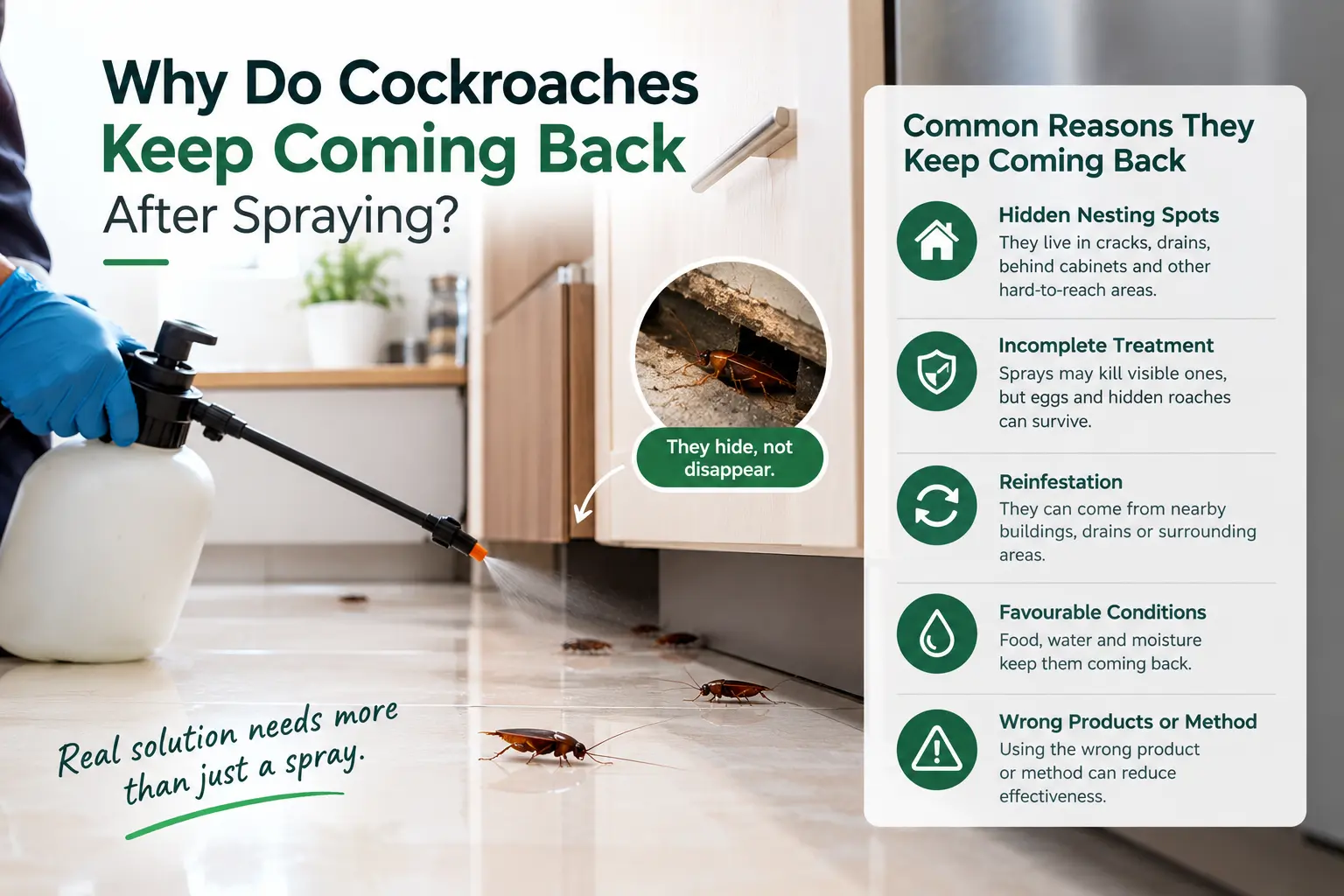
Anyone who's dealt with a pest problem knows the familiar pattern: things seem fine until they suddenly aren't. A few droppings behind the fridge turn into a full rodent problem within weeks. A handful of ants near the kitchen sink becomes a trail overnight. By the time an infestation is visible enough to notice, it's usually already established, which is exactly why most pest control today still works reactively, responding after signs appear rather than before.
That pattern is starting to shift. Around the world, pest management is beginning to incorporate sensors, connected devices, and data analysis that can flag pest activity earlier than the human eye typically can. It's a development worth understanding, whether you're a homeowner trying to stay ahead of monsoon-season pests, a property manager overseeing multiple units, or a business owner weighing what "modern" pest exterminators in Kochi might look like in the next few years. This article walks through how these technologies work, what they can realistically offer, and where traditional inspection and treatment still matter.
What Is AI-Powered Pest Control?
AI-powered pest control refers to the use of artificial intelligence, usually paired with sensors, cameras, or connected devices, to support the detection, monitoring, and management of pest activity. It doesn't replace traditional pest control methods like inspection, treatment, or structural pest-proofing. Instead, it adds a layer of continuous, data-driven observation that human inspection alone can't easily match.
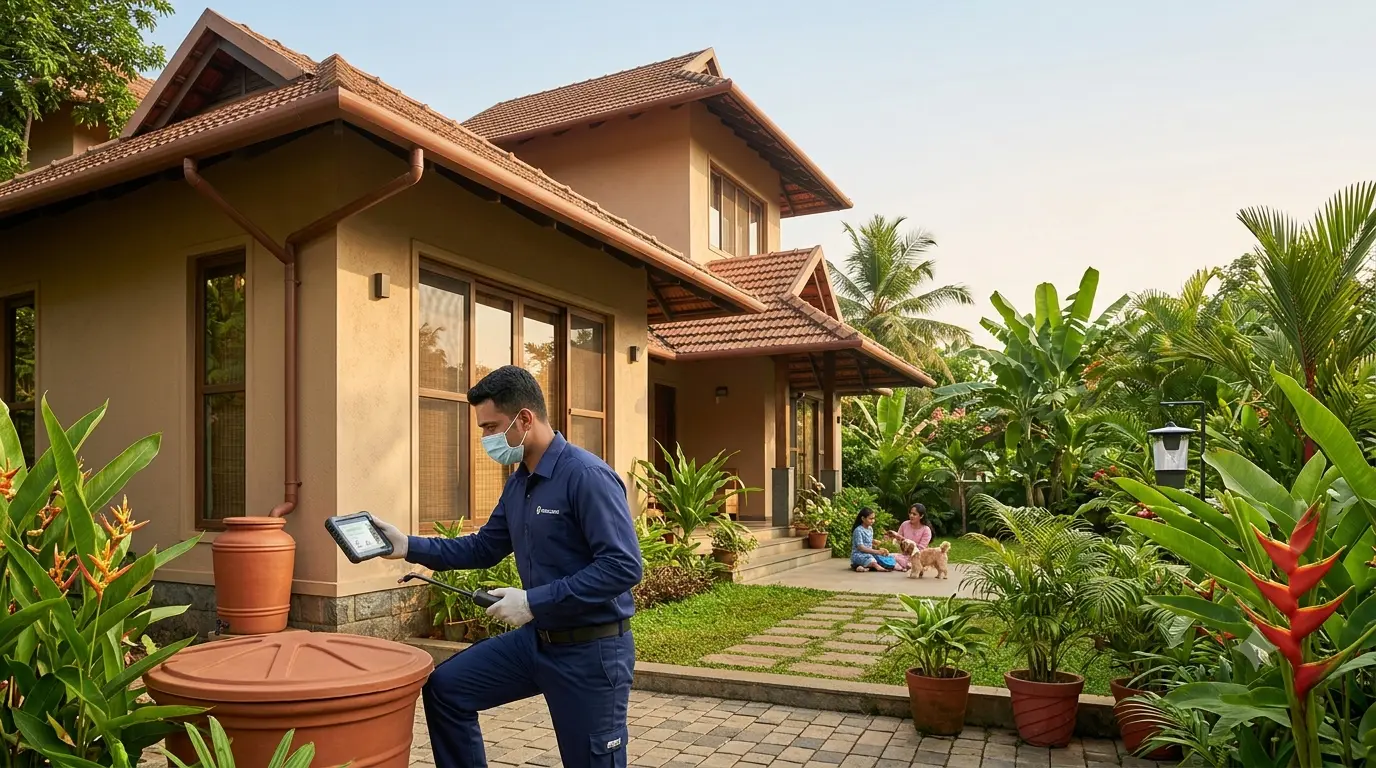
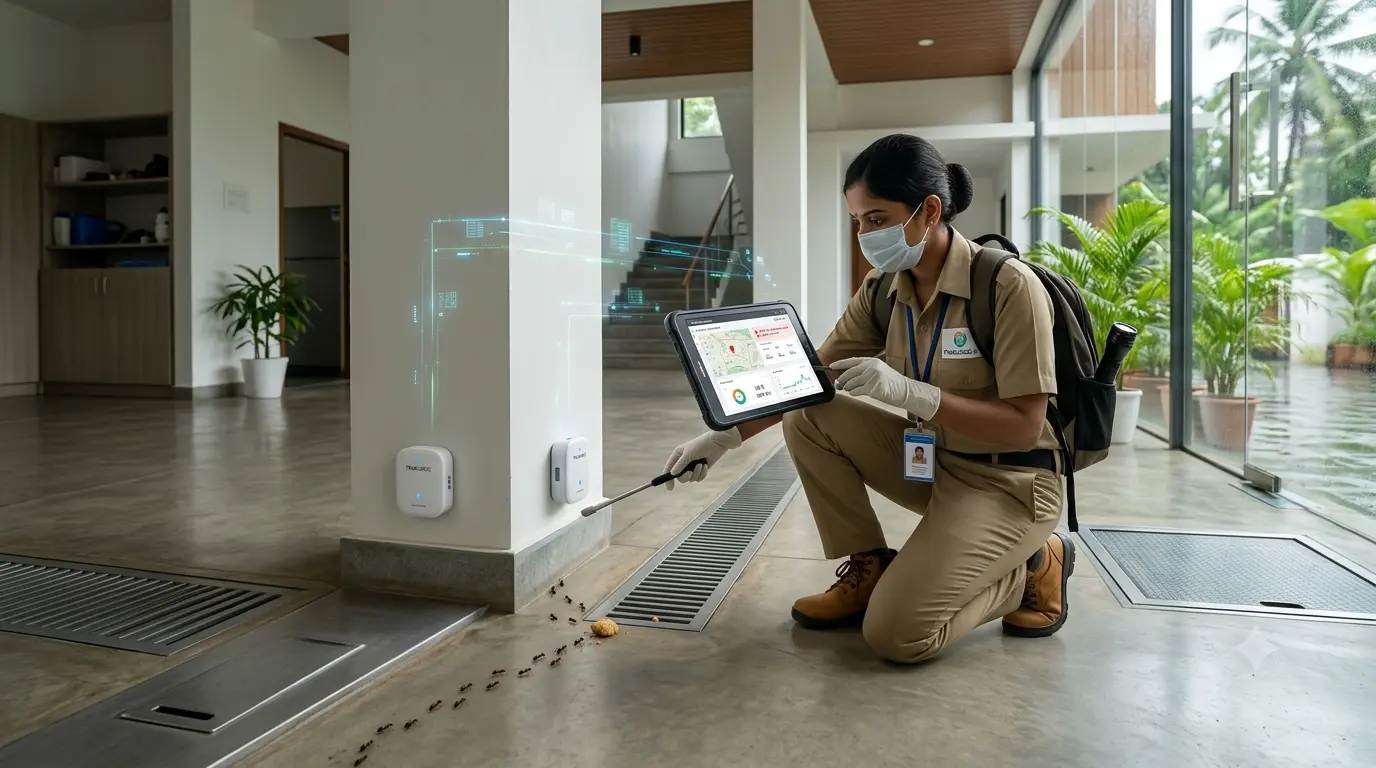
In practice, this can look like a few different things: sensors placed in drains or wall cavities that detect movement associated with pests, smart traps that log when and where activity occurs, or camera systems paired with AI models trained to recognize specific pests from images. The output isn't a replacement decision-maker it's information that a pest management professional can use to act sooner and more precisely than they could relying on scheduled visual inspections alone.
For residential and commercial pest control services in Kochi alike, the appeal is straightforward: catch activity early, before it spreads through a property.
How Smart Sensors Detect Pest Activity
Smart sensors for pest control monitor environmental signals that often accompany pest activity, rather than waiting for visible damage or droppings. Depending on the device, this can include:
- Movement and vibration — sensors placed near likely pest routes (wall cavities, drains, skirting boards) can detect motion patterns consistent with rodents or insects
- Temperature changes — some pests generate detectable heat signatures, particularly in enclosed spaces like nests or termite galleries
- Humidity levels — since many pests are drawn to moisture, humidity sensors can flag conditions that make an area more attractive to infestation
- Sound — acoustic sensors can pick up on the gnawing, scratching, or movement sounds associated with rodents inside walls or roof spaces
- Trap activity — smart traps can log the exact time and location of an event, rather than requiring a technician to physically check each trap on a schedule
An example of how this is being applied commercially: a Dubai-based pest control provider began offering IoT-connected monitoring services in early 2026, placing sensors near drainage systems, wall cavities, ducts, and kitchen bases specifically to detect heat, vibration, and movement linked to pest activity, with alerts sent that include the exact location of the detected event. Dubai's municipal authorities had separately deployed over 200 solar-powered smart mosquito traps across the city from January 2025 onward, feeding real-time monitoring data to municipal teams. These are early examples of how smart pest monitoring systems are being tested at both the property and city level elsewhere, a direction the pest management industry more broadly appears to be heading toward.
The Role of AI in Early Pest Infestation Detection
Sensors alone generate raw data: movement logs, temperature readings, trap events. AI's role is in making sense of that data: identifying patterns that indicate genuine pest activity rather than background noise, and distinguishing between normal fluctuations and activity that suggests an infestation is building.
This is where early pest infestation detection becomes more achievable. Instead of a technician checking a property once a month and relying on visible evidence, an AI-assisted system can continuously compare current activity against typical baselines for that property and flag anomalies say, a sudden spike in nighttime movement near a specific wall section well before that activity becomes visible to a person walking through the space.
Some systems go a step further with AI-assisted image recognition: camera traps that photograph captured or detected pests and use trained models to identify the species involved, which can help determine the right treatment approach faster than waiting for a manual inspection to confirm what's present. Industry reporting on similar rollouts elsewhere describes these systems generating detailed activity reports that document what was detected, when, and where, turning pest monitoring into an ongoing record rather than a single point-in-time check.
It's worth being realistic about where this technology currently stands: this is an emerging area of pest management, still expanding across different markets and property types, and it works as a support tool for professional judgment rather than a fully automated replacement for it.
How Real-Time Pest Detection Systems Could Change Pest Management
If adopted more widely, real-time pest detection systems could shift pest management in several practical ways:
- Continuous monitoring instead of periodic inspections, meaning pest activity doesn't have weeks to build up unnoticed between visits
- Automated alerts that notify a property owner or pest management provider the moment unusual activity is detected, rather than relying on someone noticing signs themselves
- Targeted treatment, since knowing exactly where activity is occurring allows treatment to be focused on specific areas instead of broad, precautionary application
- Reduced unnecessary chemical use, as treatment becomes need-based rather than applied on a fixed schedule regardless of actual pest pressure
- Faster response times, since detection and notification can happen in near real time instead of waiting for the next scheduled inspection
- Better documentation, particularly useful for commercial properties that need records of pest management activity for hygiene or compliance purposes
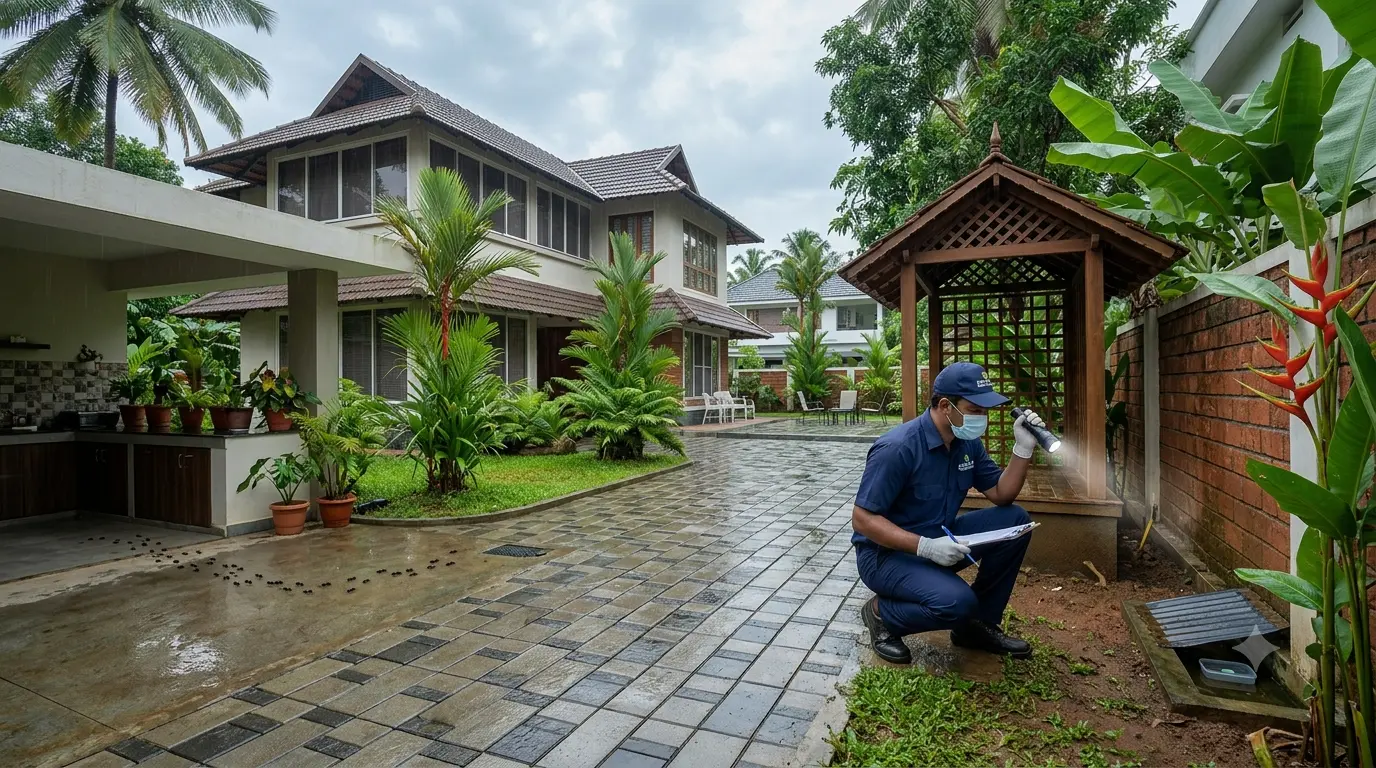
For a city like Kochi, where humidity, monsoon rainfall, and dense residential clusters already make pest and mosquito activity a recurring concern, this kind of continuous monitoring is a genuinely useful direction even though widespread adoption is still in its early stages locally, and most properties in the region continue to rely on scheduled professional inspection as the primary method of pest management.
What This Means for Homeowners and Businesses in Kochi
Even without smart sensors in place today, the underlying principle behind this technology catching pest activity early rather than reacting late is something every property owner can apply now, using more conventional methods:
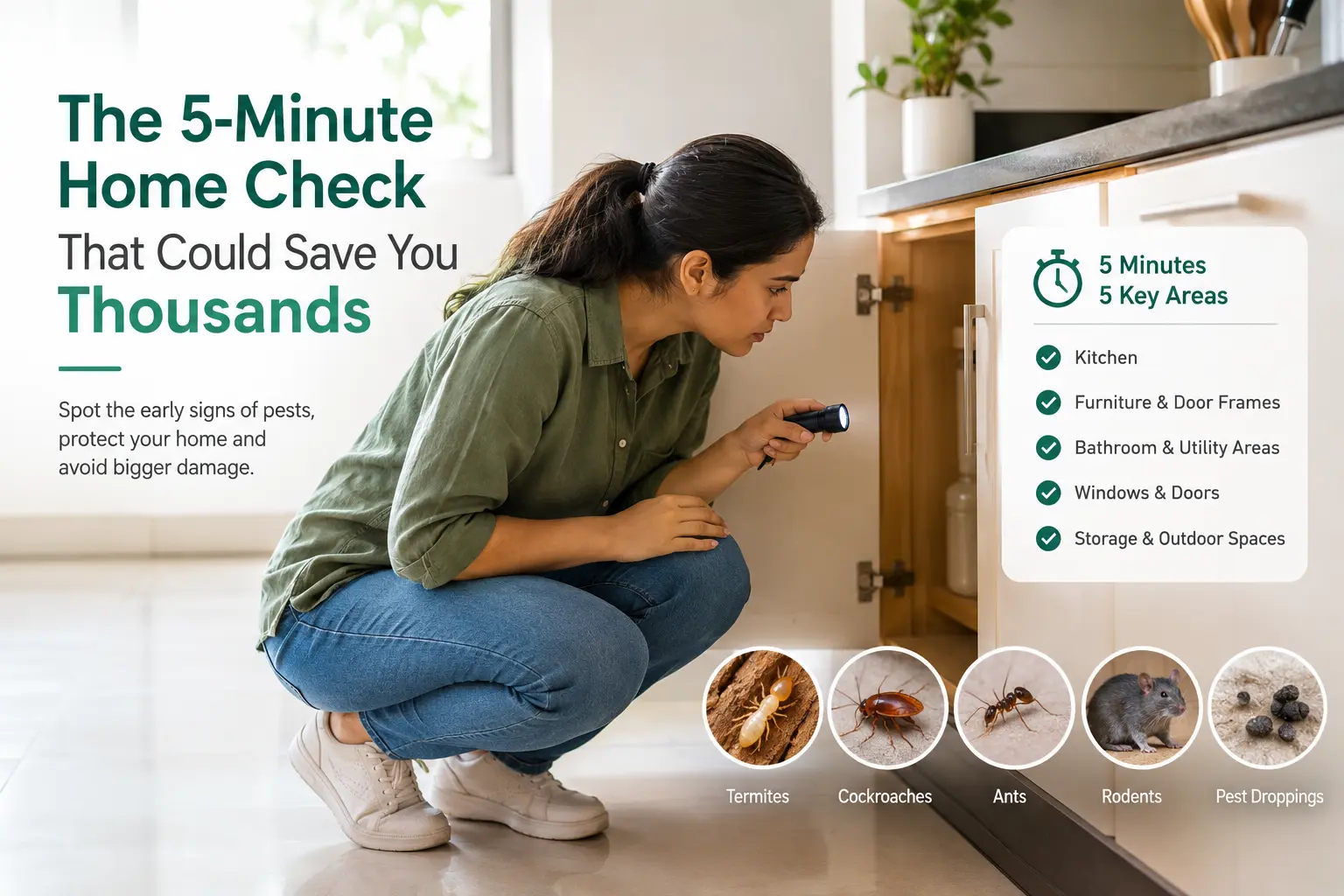
- Schedule regular inspections rather than waiting for visible signs of a pest problem
- Pay attention to early indicators: small droppings, minor damage, occasional sightings, or unusual sounds in walls or ceilings
- Keep a simple record of when and where pest activity has been noticed, which helps identify patterns over time the same principle AI-based systems apply, just done manually
- Ask pest control providers whether they use any monitoring tools, such as smart traps or sensor-based inspection, as part of their service
- Treat pest prevention as an ongoing process rather than a one-time service, particularly through Kochi's monsoon months when pest activity tends to increase
As smart pest monitoring systems become more accessible and affordable, it's reasonable to expect professional pest exterminators in Kochi to begin incorporating some of these tools likely starting with commercial properties like hotels, restaurants, and warehouses, where documented, continuous monitoring carries the most immediate value, before becoming more common in residential settings.
Where Technology Supports — But Doesn't Replace — Professional Pest Control
It's worth being clear-eyed about the limits here. Sensors and AI models can flag anomalies and support faster decision-making, but they don't inspect structural entry points, apply treatment, assess a property's specific conditions, or make judgment calls about the right approach for a given infestation. That still requires trained pest management professionals.
Technology in pest management is best understood as an enhancement to professional pest extermination services in Kochi, improving how quickly problems are noticed and how precisely they're addressed rather than a stand-alone solution. A smart sensor can tell you that something is moving behind a wall at 2 a.m.; it takes a professional inspection to determine what it is and how to deal with it responsibly.
Key Takeaways
- AI-powered pest control combines sensors, connected devices, and data analysis to support, not replace, traditional pest management.
- Smart sensors can detect movement, temperature changes, humidity, and sound patterns associated with pest activity, often before visible signs appear.
- AI's main contribution is pattern recognition: identifying unusual activity in sensor data that could indicate an early infestation.
- Real-time detection systems, where adopted, allow for continuous monitoring, automated alerts, and more targeted treatment.
- This technology is still emerging globally, with early commercial rollouts seen in markets like Dubai and the UK pest-management industry through 2026.
- In Kochi, the same early-detection principle can be applied today through regular inspection and record-keeping, even ahead of widespread smart-sensor adoption.
- Technology works best as a support tool alongside professional pest exterminators, not as a substitute for trained inspection and treatment.
Frequently Asked Questions
How do smart sensors detect pests?
Smart sensors monitor signals like movement, vibration, temperature, humidity, and sound in areas where pests are commonly active — such as drains, wall cavities, and skirting boards and send alerts when patterns match likely pest activity.
What is AI-powered pest control?
It's the use of artificial intelligence, usually combined with sensors or cameras, to help detect and monitor pest activity more continuously and precisely than manual inspection alone, supporting (not replacing) professional treatment decisions.
Can AI detect pests before an infestation becomes visible?
It can help. By continuously analysing sensor data for unusual patterns, AI-assisted systems can flag activity earlier than a scheduled visual inspection might catch it — though this depends on the sensors and coverage in place.
Is smart pest monitoring available for homes in Kochi?
Adoption of smart sensor-based pest monitoring is still in its early stages across most markets, including Kochi, and is more commonly seen so far in commercial settings elsewhere. Traditional professional inspection remains the primary method locally.
Does technology reduce the need for pesticide use?
Targeted, data-informed treatment can reduce unnecessary or broad-scale pesticide application by focusing treatment specifically where activity is detected, rather than applying it preventively across an entire property.
How is this different from a regular pest control inspection?
A regular inspection is a point-in-time check, typically scheduled periodically. Sensor-based monitoring is continuous, which means activity can be flagged between scheduled visits rather than only being noticed during them.
Do I still need professional pest exterminators if I use smart sensors?
Yes. Sensors and AI tools support detection, but assessing a property, applying treatment, and addressing entry points still requires trained pest management professionals.
What pests can smart sensors detect?
Current systems are most commonly used for rodents (via movement, vibration, and sound), termites and insects (via thermal imaging in some setups), and general activity monitoring near drains and cavities, though capability varies by device and provider.