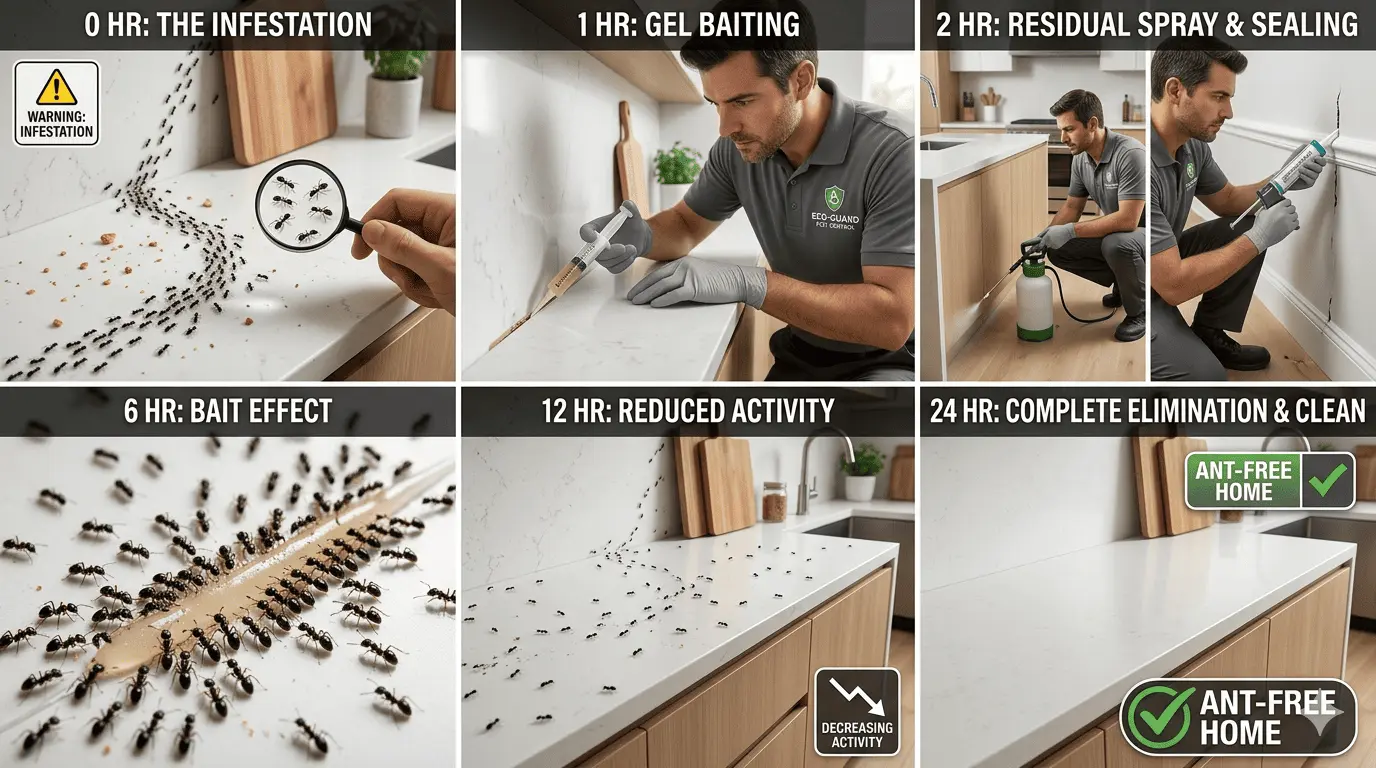
Ant Trail in 24 Hours: A Step-by-Step Plan to Eliminate It Completely
Introduction
It starts with one ant.
Then two. Then, before you know it, there's a steady line of them marching across your kitchen counter, disappearing behind the refrigerator, reappearing near the sugar jar, moving with a purpose that feels almost personal.
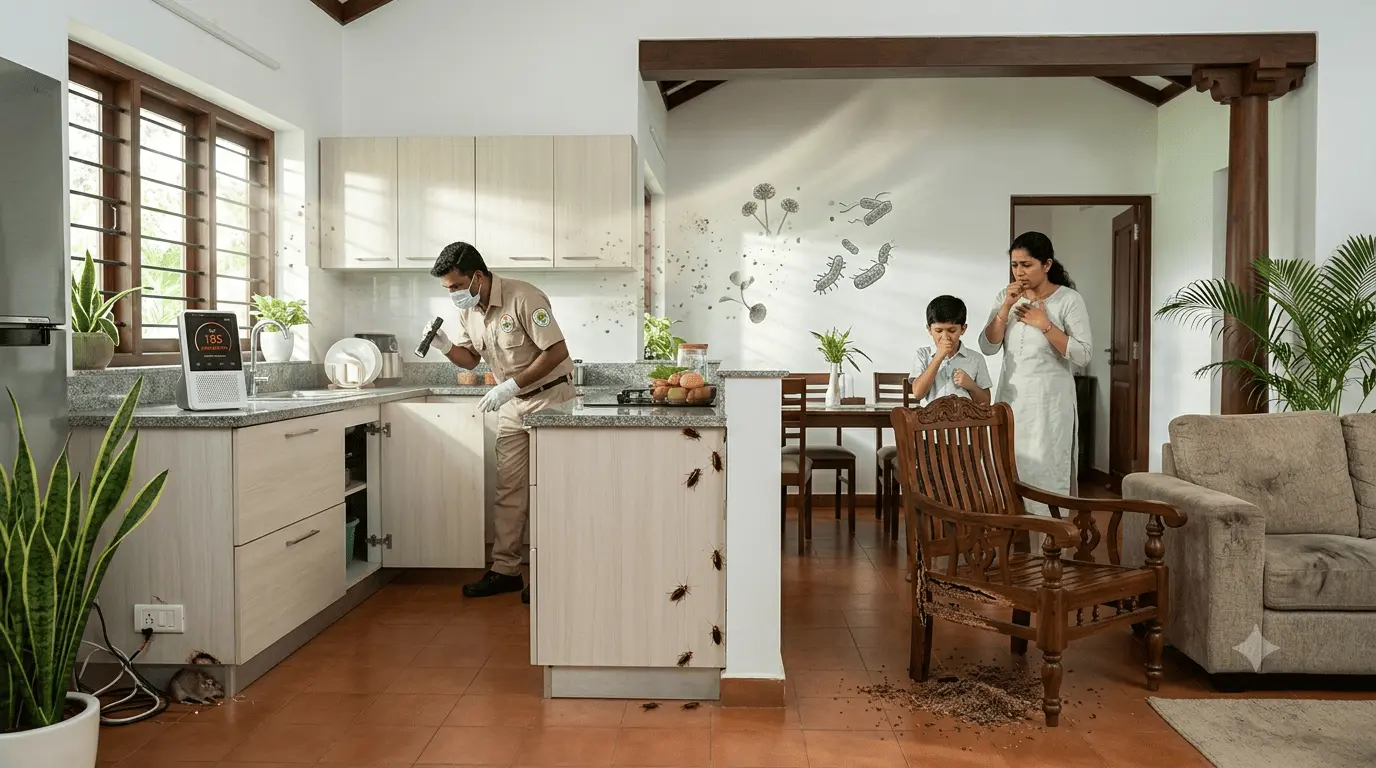
Ant trails are one of the most common and frustrating pest problems in Kerala homes. The humid climate, monsoon season, and warm temperatures make Kochi and Ernakulam near-perfect conditions for ant colonies to thrive indoors and outdoors.
Most homeowners try the obvious fixes first. Wipe the trail. Spray some surface cleaner. Sprinkle powder near the entry point. And for a few hours, it works. The ants disappear.
But by evening, they're back. Same trail. Same route. Sometimes even more of them.
Here's the truth nobody tells you: wiping an ant trail doesn't solve the problem. It just inconveniences the colony for a few hours.
Ants communicate through chemical signals called pheromones. When one ant finds food, it leaves a scent trail for the rest of the colony to follow. Killing the visible ants or cleaning the surface doesn't eliminate the pheromone trail, doesn't destroy the colony, and doesn't stop the queen from sending out more workers.
To truly eliminate an ant trail in 24 hours and keep it gone, you need a structured, step-by-step approach. This guide walks you through exactly that.
And if the infestation is beyond DIY control, connecting with a professional ant control service in Kochi, Ernakulam is the fastest and most permanent solution available.
Why Are Ant Trails Suddenly Appearing in Your Kochi Home?
Understanding why ants enter your home is the first step to keeping them out permanently.
Ants don't invade randomly. Every trail you see is the result of a scout ant that found something worth reporting back: food, water, or a warm nesting space. Once that scout lays a pheromone trail, the rest of the colony follows.
Common reasons ant trails appear in Kerala homes:
Monsoon and post-monsoon season — Heavy rains flood underground ant colonies, forcing them to relocate indoors. This is why ant problems spike dramatically in Kochi and Ernakulam between June and September.
Food sources left exposed — Sugar, rice, fruits, sweet liquids, even pet food left uncovered overnight, become an open invitation.
Moisture and water leaks — Ants need water as much as food. A leaking pipe under the sink, dampness near the bathroom wall, or standing water in the kitchen is a magnet for certain ant species.
Gaps and cracks in walls — Old buildings and newly constructed homes both have entry points, gaps around pipes, cracks in plaster, spaces under doors — that ants use as highways into your living space.
Garden or outdoor colony too close to the home — If your compound has ant colonies near the foundation, it's only a matter of time before they find their way inside.
Identifying the root cause is what separates a permanent solution from a temporary fix, and it's the first thing a residential ant control specialist in Kochi will assess during a professional inspection.
Hour 0–2: How Do You Identify the Ant Trail and Find the Source?
Before you take any action, spend the first two hours observing and identifying, not spraying.
Step 1 — Follow the trail both ways. Don't just look at where ants are going. Follow the trail backward to find where they're entering the home, and forward to find what they're targeting. Both endpoints matter.
Step 2 — Identify the ant species. Not all ants are the same, and treatment varies by species.
- Black garden ants — most common in Kerala homes, attracted to sugar and sweet food
- Red fire ants — aggressive, painful bite, usually enter from garden areas
- Carpenter ants — larger, darker, attracted to damp or damaged wood, a sign of possible moisture damage
- Pharaoh ants — tiny, light-colored, extremely difficult to eliminate without professional treatment
- Ghost ants — very small, almost translucent, common in kitchens and bathrooms in Kerala
Step 3 — Locate the nest if possible. Check along walls, behind appliances, under sinks, in potted plants, and near the foundation outside. Finding the nest location dramatically improves treatment effectiveness.
Step 4 — Note all entry points. Mark every crack, gap, or opening where ants are entering. You'll need to seal these as part of the elimination process.
Hour 2–6: What Are the Most Effective DIY Methods to Disrupt an Ant Trail Fast?
Once you've identified the trail and source, it's time to act. These methods work best for mild to moderate infestations.
Erase the Pheromone Trail Mix with white vinegar and water in equal parts, and wipe down the entire trail, counters, floors, and walls. Vinegar disrupts the pheromone signal and confuses the colony temporarily. Follow with a wipe of water to remove the vinegar smell from your surfaces.
Boric Acid Bait — The Most Effective Home Remedy Mix boric acid powder with sugar syrup or honey to create a slow-acting bait. Place small amounts near, not on the trail. Worker ants carry the bait back to the colony and share it, eventually killing the queen.
Important: Don't kill the trail ants immediately. Let them carry the bait back. This is the key step most people skip.
Diatomaceous Earth at Entry Points: Food-grade diatomaceous earth sprinkled at entry points and along wall edges damages the ant's exoskeleton and dehydrates them. Safe for humans and pets, effective against most ant species common in Kerala homes.
Essential Oil Barriers Peppermint oil, clove oil, and cinnamon powder disrupt ant trails and act as natural repellents. Apply along window sills, door frames, and wall edges where ants are entering.
Seal Entry Points Use silicone sealant, plaster, or wall putty to close every crack and gap you identified. This is a critical step; without sealing entry points, any treatment is only temporary.
These DIY methods work well for surface-level ant problems. But if the trail keeps returning despite repeated treatment, the colony is likely nested deep inside walls, under flooring, or in an outdoor location that surface treatments can't reach.
That's when professional ant control treatment in Ernakulam becomes not just an option but a necessity.
Hour 6–12: When Should You Call a Professional Ant Control Service in Kochi, Ernakulam?
There's a clear line between a manageable ant problem and one that needs professional intervention. Here's how to know you've crossed it:
The trial returns within hours of treatment. Surface treatment isn't reaching the colony. The nest is likely deep inside a wall cavity, under flooring, or in a location you can't access.
You're seeing carpenter ants or pharaoh ants — These species are notoriously difficult to eliminate without professional-grade treatments. Pharaoh ants in particular can split their colony when threatened, making amateur treatment actively counterproductive.
Multiple trails in different rooms — This indicates a large, established colony with multiple foraging routes far beyond what home treatment can address.
Ants appearing from inside walls or electrical conduits — A serious infestation that requires professional inspection and targeted treatment inside wall cavities.
Recurring problem every monsoon season — If ants come back every year, it means there's a permanent colony near or inside your home's foundation that needs professional elimination and preventive treatment.
A professional ant control service in Kochi, Ernakulam uses methods that DIY treatments simply can't replicate, such as gel baiting systems that target the queen directly, residual sprays that remain active for weeks, dust treatments inside wall cavities, and thermal fogging for severe infestations.
Hour 12–18: What Does a Professional Ant Treatment Process Actually Look Like?
Many homeowners hesitate to call professionals because they don't know what to expect. Here's exactly what a professional ant control treatment involves:
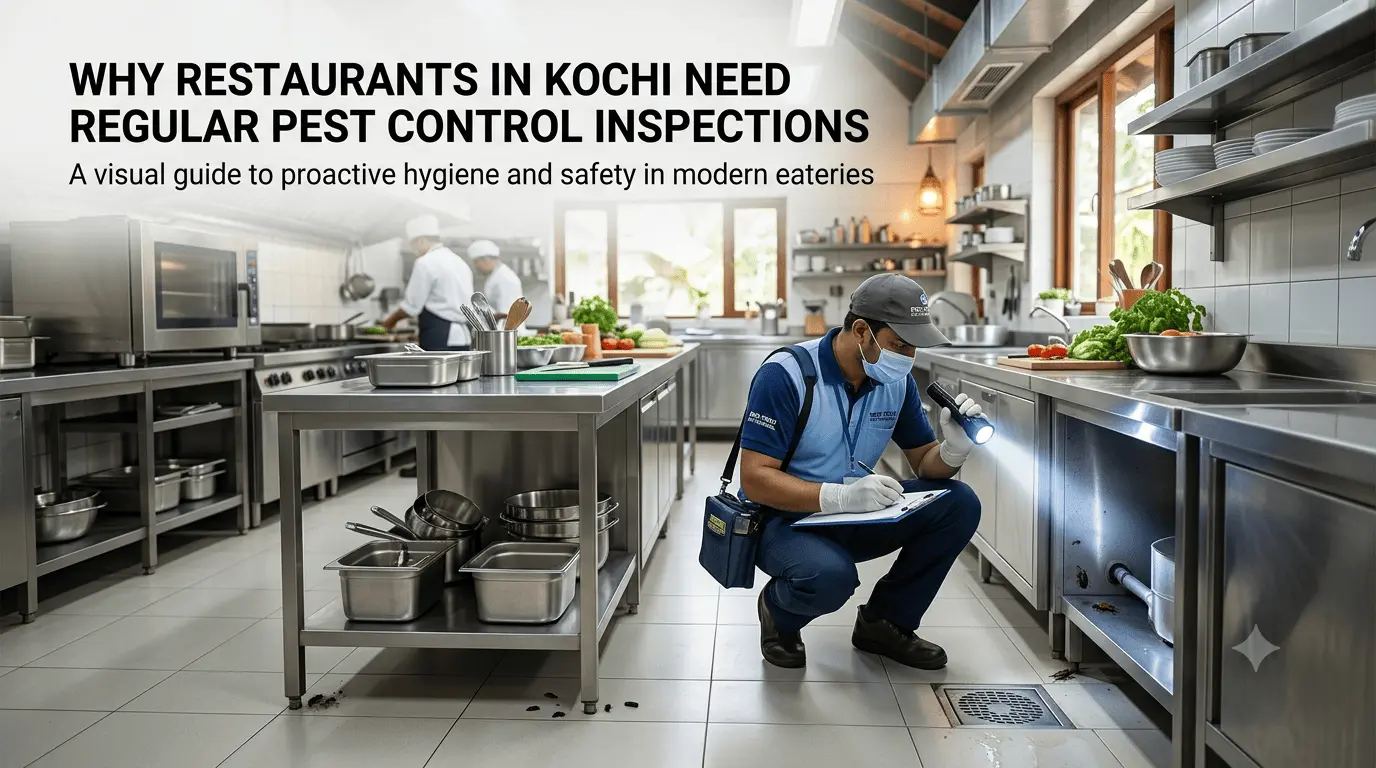
Inspection and Assessment A trained technician inspects the entire property inside and outside to identify ant species, locate all active trails, find nest locations, and assess entry points. This 20–30 minute inspection shapes the entire treatment plan.
Gel Baiting Professional-grade ant gel bait is applied in small amounts at strategic points along active trails and near nest entry points. This bait is specifically formulated to be carried back to the colony, targeting the queen and eliminating the colony from within. Results typically appear within 24–72 hours.
Residual Spray Treatment CIB-approved residual insecticides are applied along baseboards, wall edges, entry points, and outdoor perimeters. These remain active for 4–8 weeks, killing any new ants that cross the treated zone.
Dust Treatment for Wall Cavities. For infestations inside walls or electrical conduits, insecticidal dust is injected through small access points — reaching areas that sprays and baits can't penetrate.
Exterior Perimeter Treatment The outdoor area around the home's foundation, where most ant colonies originate, is treated to create a barrier that prevents re-entry.
Sealing and Prevention Recommendations After treatment, the technician identifies structural gaps, moisture issues, and food storage problems that need attention, giving you a clear prevention plan to stop ants from returning.
The best ant extermination service in Kochi completes this entire process in 2–4 hours, with results visible within 24 hours and full elimination typically achieved within one week.
Hour 18–24: How Do You Prevent Ants from Coming Back After Treatment?
Eliminating the current infestation is only half the job. Long-term prevention is what keeps your home ant-free month after month.
Food Storage Store all sugar, rice, grains, and sweet items in airtight containers. Never leave uncovered food on counters overnight. Clean up food spills immediately; even small crumbs matter to an ant colony.
Moisture Control: Fix leaking pipes, clear blocked drains, and ensure no standing water collects near the kitchen or bathroom. Dry your sink area after use. Ants need water to eliminate the source.
Regular Cleaning Under Appliances. The space under your refrigerator, stove, and kitchen cabinets accumulates food debris that ants feed on. Clean these areas at least once a month.
Garden Maintenance: Keep garden plants trimmed away from the home's walls. Don't let leaf litter or organic debris accumulate near the foundation. Check potted plants regularly for ant activity.
Seasonal Prevention Treatment In Kerala, pre-monsoon ant control treatment typically done in May or early June creates a protective barrier before the rainy season drives colonies indoors. This single preventive step eliminates most monsoon ant problems before they start.
Asking your professional ant pest control service in Ernakulam about an annual maintenance plan is the most cost-effective way to stay ant-free year-round.
Conclusion
An ant trail isn't just an inconvenience; it's a signal. A signal that somewhere nearby, a colony of thousands is organized, motivated, and well on its way to making your home its permanent base. The good news is that with the right approach, identifying the source, disrupting the trail, treating the colony, and sealing entry points, you can eliminate even a serious ant infestation within 24 hours. Start with the DIY steps. But don't waste weeks on surface treatments that keep failing. If the ants keep coming back, the colony is somewhere you can't reach, and that's exactly what professionals are trained and equipped to handle.