Green Is the New Clean: The Rise of Eco-Friendly Pest Control
Indroduction
Nobody enjoys finding ants marching across a clean kitchen counter. But many people also hesitate before reaching for a can of spray, especially when children play on the floor, a dog sniffs every corner, or herbs grow on the balcony. That tension is a big reason eco-friendly pest control is gaining attention.
Responsible pest management starts with prevention, correct pest identification, and targeted treatment, instead of spraying the whole house again and again. It does not always mean “no chemicals.” It means choosing methods that fit the pest and the property while avoiding exposure that serves no purpose. If you are searching for a pest control service near me, knowing this approach helps you ask better questions and judge the answers you get.
What Is Eco-Friendly Pest Control?
Eco-friendly pest control is a way of managing pests that prioritises prevention and precision over routine, blanket treatment. It aims to solve the cause of an infestation, not just kill the insects you can see.
In practice, it follows a few principles:
- Identify the pest before choosing a treatment
- Remove the food, water, and shelter that attract it
- Seal the gaps it uses to get in
- Use physical or mechanical methods where they work
- Apply targeted treatments only when necessary
- Monitor results and prevent a return
These principles come from integrated pest management (IPM), an established approach that combines several strategies and uses pesticides carefully rather than automatically. Think of it as diagnosing before prescribing.
Why Is Eco-Friendly Pest Control Becoming More Popular?
Several everyday concerns are driving the interest:
- Awareness of pesticide exposure. People increasingly ask what is being applied inside their homes and why.
- Children and pets. Floors, furniture, and food bowls are close to where treatments happen.
- Beneficial insects. Bees, ladybirds, and other helpful insects matter in gardens and balconies.
- Environmental responsibility. Many households want fewer unnecessary chemicals entering drains and soil.
- A shift toward prevention. Repeated emergency treatments are tiring and costly, and many people would rather fix the cause.
This is a trend in attitudes, not proof that every household prefers green methods, and effectiveness still matters more than labels.
How Does Green Pest Control Work?
Green pest control works as a cycle: inspect, find the source, prevent, treat only where needed, monitor, and adjust. Each step builds on the one before it.
- Inspection. The technician identifies the pest and judges how far the problem has spread.
- Source identification. They look for food, moisture, shelter, and entry points. A leaking pipe under the sink often explains a cockroach problem better than the cockroaches themselves.
- Prevention. Sanitation, food storage, drainage, and exclusion are improved.
- Targeted control. Physical, biological, or chemical methods are chosen to suit the pest.
- Monitoring. Traps or regular checks show whether activity is falling.
- Follow-up. If pests persist, the plan changes rather than simply repeating.
The pattern is pest identification → source removal → prevention → targeted treatment when necessary → monitoring → follow-up. Routine spraying alone skips most of this, which is why pests often return within weeks.
Eco-Friendly Pest Control Methods You Should Know
1. Prevention and Sanitation
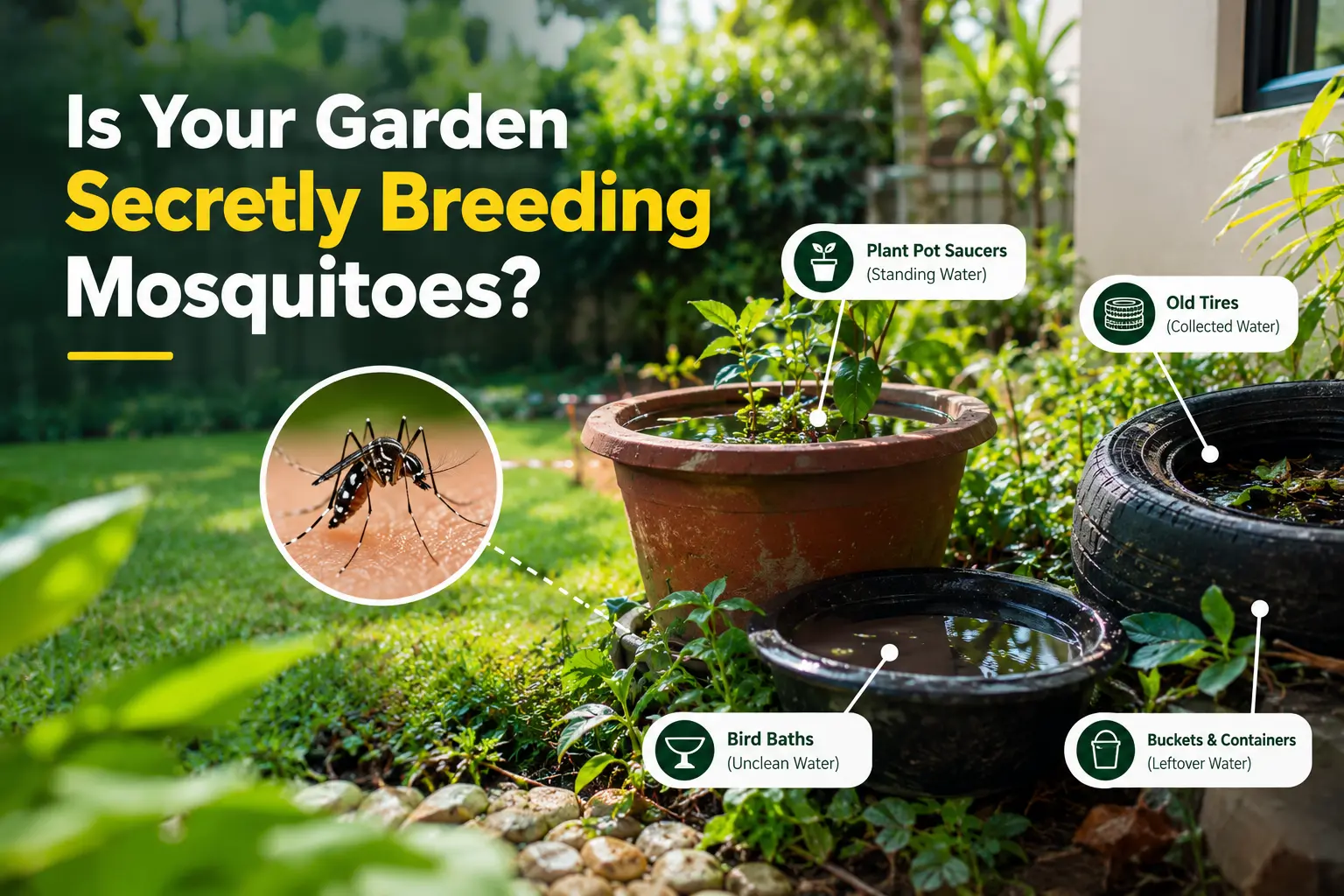
Store dry food in sealed containers, wipe crumbs and spills promptly, empty kitchen bins daily, and fix dripping taps. Remove standing water from plant trays, buckets, and coolers. A tidy kitchen will not stop every pest, but it removes the reason many of them visit.
2. Physical Barriers and Exclusion
Seal gaps around pipes, repair damaged door seals, fit fine mesh on windows and drains, and close cracks in walls. If pests cannot get in, there is less to treat. This is one of the most lasting low-impact pest control methods.
3. Traps and Mechanical Controls
Sticky monitors, snap traps, and enclosed bait stations can confirm what is present and where. They are most useful when placed according to the pest’s habits, which is where professional knowledge helps.
4. Biological Control
This uses natural enemies or biological agents, such as certain predatory insects or microbial products that target specific pests. It works well in some settings, particularly gardens and agriculture, but not every biological method suits indoor residential use.
5. Targeted and Lower-Risk Treatments
Some products and application methods, such as gel baits placed in cracks instead of open-room spraying, reduce unnecessary exposure. Suitability depends on the pest, the location, the product label, and how it is applied.
One caution: “natural” does not mean harmless, and not every chemical treatment carries the same risk. Safety depends on the specific product and how it is used.
What Are the Benefits of Eco-Friendly Pest Management?
When done properly, the approach can offer realistic advantages:
- Less reliance on unnecessary pesticide applications
- Better understanding of why pests are there
- Stronger sanitation and prevention habits
- More precise treatment decisions
- Consideration for beneficial organisms
- Better long-term monitoring
- Potentially lower avoidable exposure
It cannot promise zero environmental impact, guaranteed safety, or permanent elimination. Pests are living populations, and conditions change.
Is Eco-Friendly Pest Control Effective Against Common Household Pests?
It can be, when the method matches the pest. No single approach works everywhere.
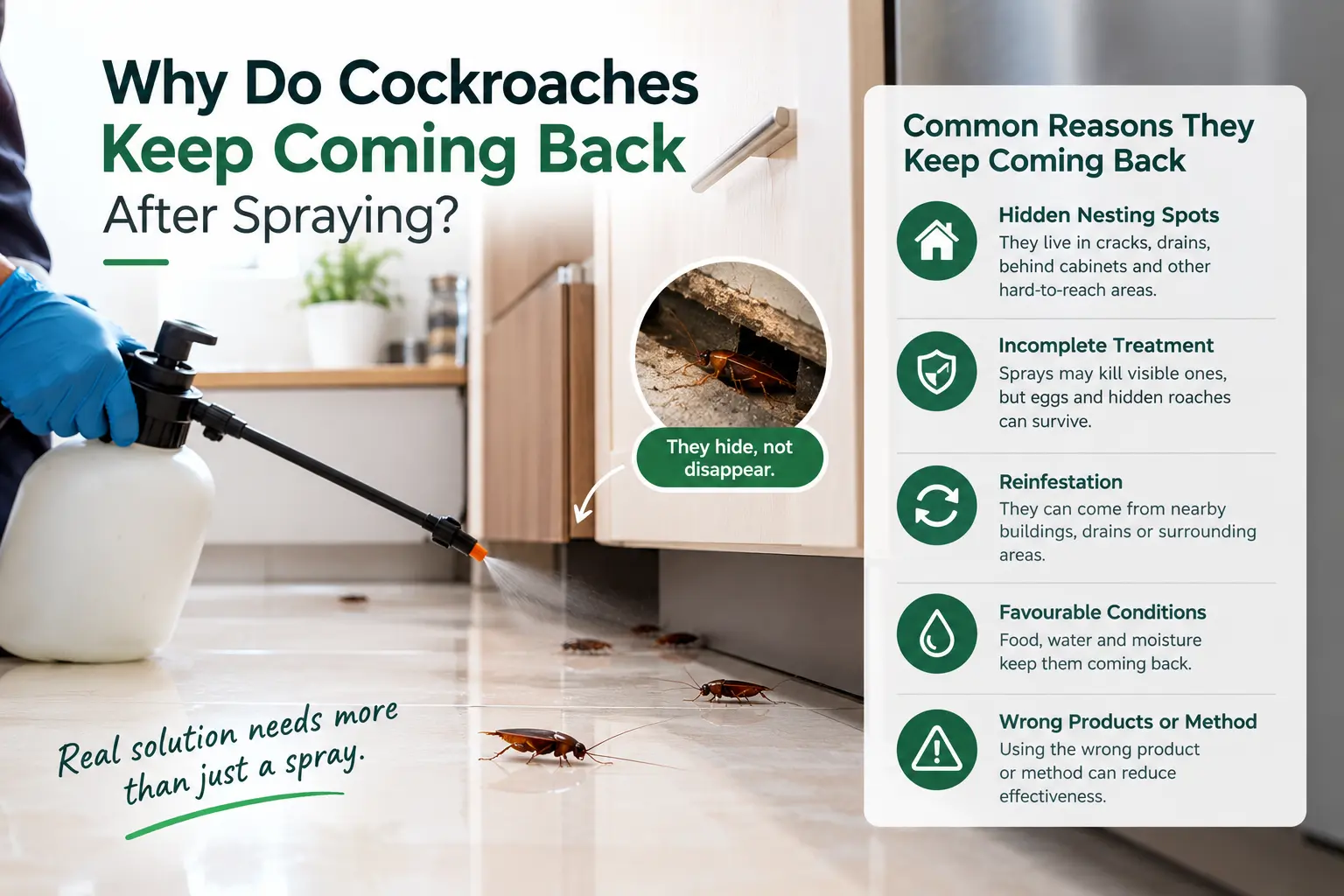
- Cockroaches: Cut off food and moisture, seal cracks, monitor with traps, and use suitable targeted treatments in hiding spots.
- Ants: Trace the trail to the entry point, remove the food source, and choose controls suited to the ant species.
- Mosquitoes: Remove breeding water, then add suitable prevention or targeted control where needed.
- Rodents: Close entry gaps, secure food, and use appropriate trapping or other controls.
- Termites: Get a professional assessment. Established infestations often need specialised, species-appropriate methods.
Is Eco-Friendly Pest Control Safe for Children and Pets?
Safer handling is possible, but no treatment should be called completely safe. Risk depends on the product, dose, exposure route, application method, and the people and animals in the home.
Sensible precautions include:
- Following product labels and the technician’s instructions
- Keeping children and pets away from treated areas as directed
- Covering or removing food, utensils, pet bowls, and aquariums where required
- Observing the stated re-entry period
- Telling the provider about pets, allergies, pregnancy, or other sensitivities
- Avoiding homemade pesticide mixtures from unverified sources
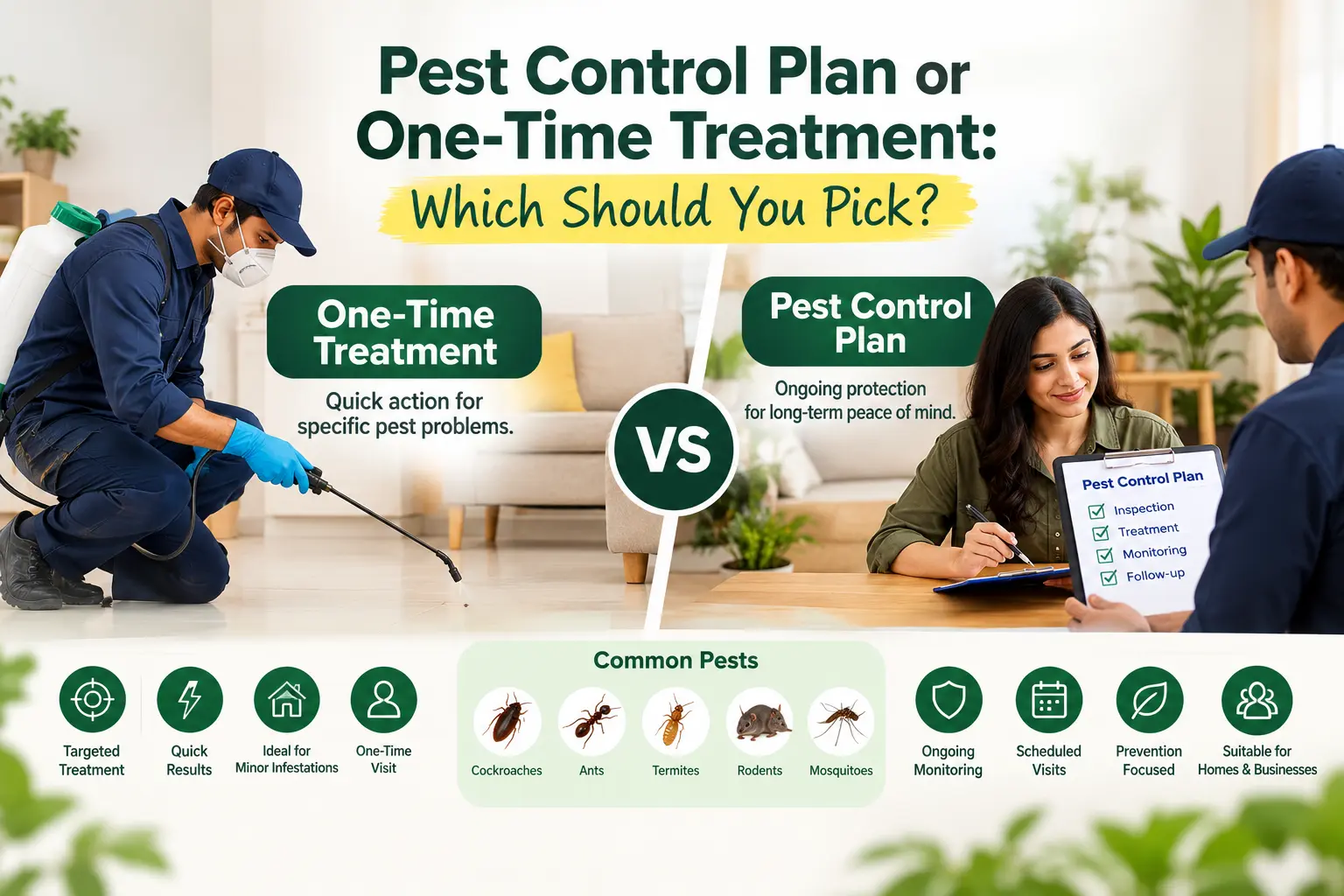
DIY Green Pest Control vs Professional Pest Management
FactorDIY PreventionProfessional Pest Management Best suited for Basic prevention and minor issues Persistent or complex infestationsPest identificationMay be limited Can include professional assessmentTreatment selectionDepends on available knowledge Based on the identified pest and conditions Monitoring Managed by the property owner May include professional follow-upSafety guidanceRequires careful product research Includes instructions relevant to the selected treatmentLong-term preventionDepends on consistent maintenance Can include a structured prevention strategy
Not every pest sighting needs a professional visit. A few ants after a spilled drink can be handled at home. But recurring infestations, termites, bed bugs, or pests nesting in walls and ceilings usually call for specialist help.
How to Choose an Eco-Conscious Pest Control Service Near You
Typing pest control service near me into a search bar gives you a list of names, not a way to compare them. These questions help:
- How will the pest be identified?
- What treatment is proposed, and why?
- What prevention steps will be included?
- Which products will be used, and what precautions apply?
- Are non-chemical methods suitable here?
- Will follow-up visits be needed?
- What are the provider’s credentials and service terms?
- Can any environmental or safety claim be verified?
A good provider answers plainly and does not hide behind marketing words. PestTrack is one option to consider among local providers. Ask the team directly about its inspection process, products, and safety practices so you can judge whether they suit your home or business.
The Future of Pest Control Is Focused on Prevention
The direction of the industry is toward earlier detection, regular monitoring, and smaller, better-aimed treatments, all built on IPM. The best strategy balances effectiveness, safety instructions, pest biology, environmental impact, and the needs of the property. A restaurant kitchen, a family flat, and a warehouse each need a different plan.
Conclusion:
Eco-friendly pest control is about informed decisions: finding the cause, preventing problems at the source, and using treatments responsibly when they are needed. Start by noticing where pests appear, tidying food and moisture sources, and sealing obvious gaps. If the problem persists, a reliable pest control service near me can provide an assessment and a structured plan. To discuss your options, contact PestTrack and describe what you are seeing.
Frequently Asked Questions
1. What is eco-friendly pest control?
It is a pest management approach built on inspection, prevention, and targeted treatment. Instead of routine spraying, it looks for what attracts pests, such as food, moisture, and entry points, and uses the least disruptive effective methods to protect people, pets, and surroundings.
2. Is green pest control effective?
It can be, particularly for prevention and moderate infestations, when methods match the pest. Severe or hidden infestations, such as termites, may need stronger or specialised treatment. Effectiveness depends on correct identification, consistent follow-through, and monitoring, not on the “green” label itself.
3. Does eco-friendly pest control mean chemical-free treatment?
Not necessarily. Many plans rely first on sanitation, sealing, and traps, but a targeted product may still be used when needed. The goal is to reduce unnecessary exposure, not to promise zero chemicals. Ask any provider exactly what will be applied.
4. Is eco-friendly pest control safe for children and pets?
Risk is lower when treatments are targeted and instructions are followed, but no method is risk-free. Keep children and pets away from treated areas as directed, cover food and water bowls, observe re-entry times, and tell the provider about sensitivities beforehand.
5. Which natural methods help prevent household pests?
Airtight food storage, daily waste disposal, quick cleanup of spills, fixing leaks, clearing standing water, and sealing cracks and gaps all help. Fine mesh on windows and drains blocks entry. These steps lower pest pressure, though they may not clear an established infestation.
6. Can eco-friendly methods control cockroaches and ants?
Often, yes, if the source is found. For cockroaches, that means reducing moisture, food, and hiding places, then monitoring with traps. For ants, it means tracing entry routes and removing attractants. Stubborn colonies may need targeted baits applied by a trained technician.
7. When should I hire a professional pest control service?
Consider one when pests keep returning, when you suspect termites or bed bugs, when rodents are in walls or ceilings, or when you cannot find the source. Businesses handling food or storage also benefit from scheduled inspections and documented prevention.
8. How can I find a pest control service near me?
Search locally, then compare providers on inspection process, treatment explanations, safety instructions, follow-up terms, and credentials. Ask for clear answers instead of relying on slogans, and verify any eco-friendly claims. A good provider explains what they will do, why, and what you should do afterwards.