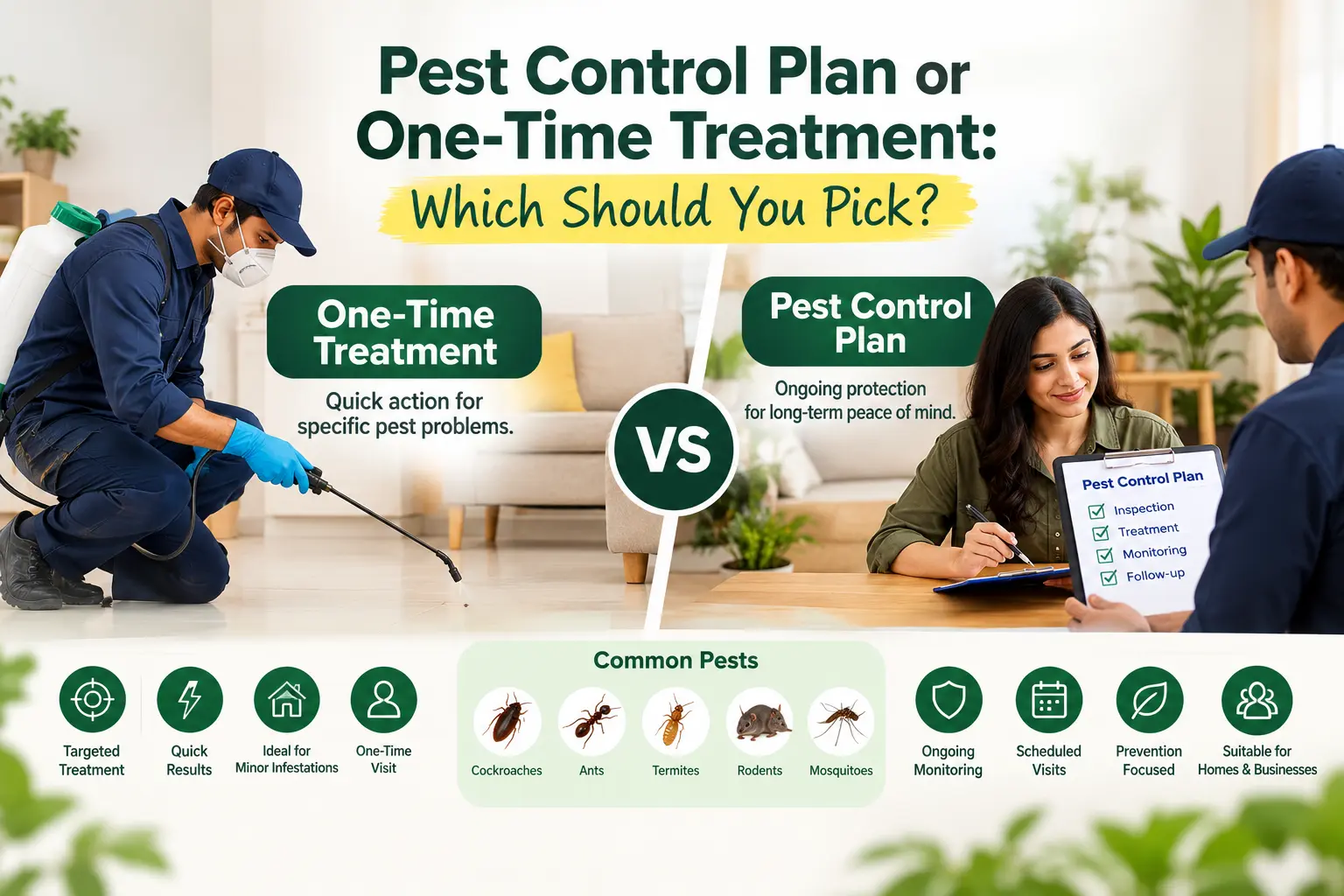
Pest Control Plan or One-Time Treatment: Which Should You Pick?
Introduction:
You open the kitchen cupboard and a cockroach scatters. Or you spot a trail of ants heading for the sugar jar, a fine dust of sawdust under a wooden cabinet, or droppings near the storeroom. Whatever the pest, the next question is the same: do you book a single visit and hope that settles it, or sign up for something ongoing?
Some problems respond well to one targeted service. Others need monitoring, follow-up, and prevention to stop them coming back. A one-time treatment deals with a problem that is already there, while a regular maintenance plan aims to catch and prevent problems over time. The right pest control choice depends on the type of pest, how far the infestation has spread, the condition of your property, and how likely the problem is to return. This guide helps you decide.
What Is a One-Time Pest Control Treatment?
A one-time treatment is a single service that targets a specific pest problem. A technician visits, identifies the pest where possible, chooses a suitable method, and treats the areas where activity is found, such as kitchen corners, drains, cupboards, or entry points. Most visits end with simple advice on how to stop the problem returning, such as sealing gaps or storing food properly.
This option suits situations where the problem is limited, and the cause is clear. It also keeps your commitment small, since you pay for one service and decide afterwards whether anything more is needed.
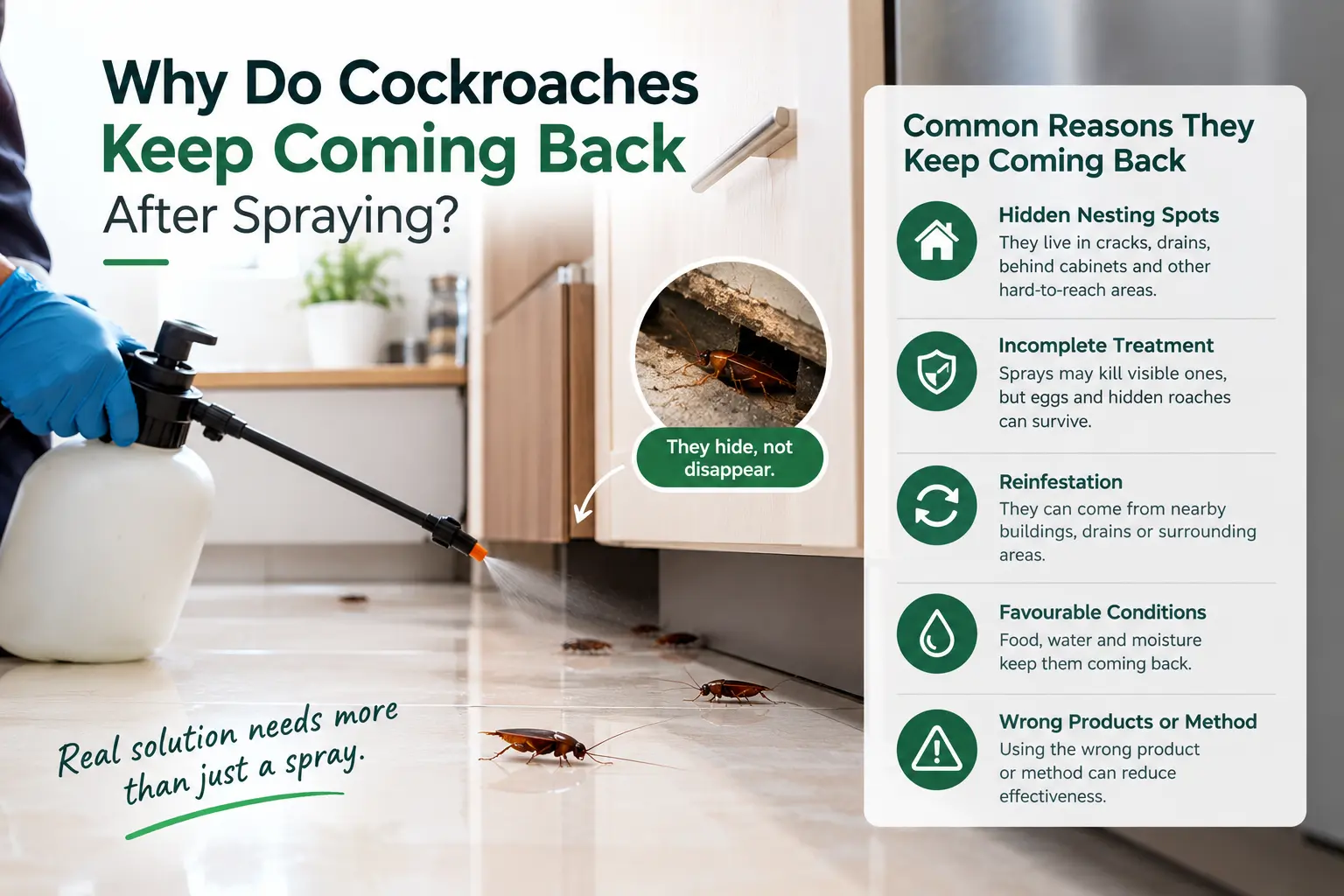
The limitation is that one visit does not guarantee the pests are gone for good. Hidden nests, eggs and established colonies can survive a single treatment, and pests will return if they still have access to food, water and shelter. In those cases you may need a second visit, which is often booked and charged separately.
What Is a Regular Pest Control Plan?
A regular plan is a planned pest management service delivered over a set period, usually through an agreement. Instead of reacting to a problem, you get scheduled visits that combine inspection, monitoring, preventive treatment and follow-up when the agreement includes it.
In practice, this means:
- Scheduled inspections: A trained technician checks known problem areas and looks for early signs of activity.
- Monitoring: Activity is tracked over time, so changes and patterns become easier to spot.
- Preventive measures: Treatments and advice focus on stopping pests before they settle in.
- Follow-up visits: Some plans include them if activity continues between scheduled visits.
- Spotting recurring problems: Repeated activity in the same place points to an underlying cause, such as a leak or a gap.
Frequency, covered pests, follow-up terms, and treatment methods all vary by provider and agreement, so always read what a plan includes before you sign.
Pest Control Plan vs One-Time Treatment: Key Differences
Neither option is always cheaper or more effective. The table shows how they differ on the points that matter most.
Factor One-Time Treatment Regular Pest Control Plan
Service frequency Single scheduled visit Multiple planned visits
Main purpose
Address a specific problem
Ongoing monitoring and prevention
Initial commitment
Usually limited to one service
Depends on the agreement
Follow-up visits
May require an additional booking
May be included in the plan
Suitable situations
Localised or occasional problems
Recurring or ongoing pest concerns
Long-term monitoring
Usually limited
May be included
Cost considerations
Individual treatment cost
Total cost across the agreement
When Should You Choose a One-Time Treatment?
A single visit makes sense when the problem is small, recent and well understood. Typical examples include:
- An isolated problem, such as a few cockroaches or ants that appeared after a one-off cause
- A clearly identified, limited infestation in one area
- Occasional pests that show up in a particular season
- A targeted treatment before you move into a new home, when an inspection suggests it is worthwhile
- A situation where the inspection shows one treatment is a reasonable starting point
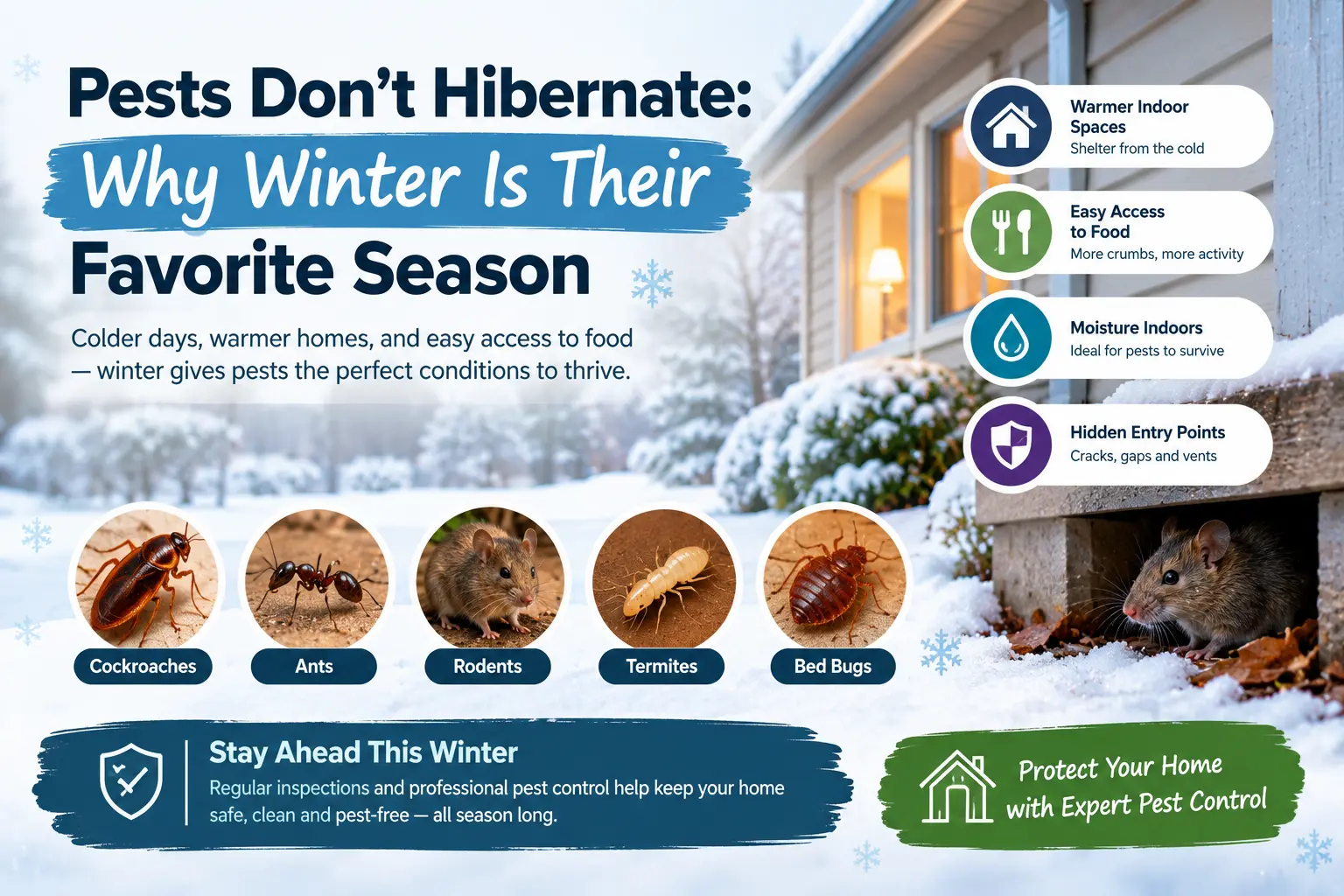
Be cautious with pests that are harder to remove. Termites, bed bugs and established rodent infestations may need specialised treatment, monitoring or several visits. One service will not always resolve them, so ask the technician what to expect before you decide.
When Is a Regular Pest Control Plan a Better Choice?
Ongoing service tends to give better value where pests keep coming back or where a missed problem would be costly. Consider a plan if you are dealing with:
- Repeated cockroach or ant activity, even after earlier treatments
- A property with recurring pest entry through gaps, drains or shared walls
- A restaurant, cafe, kitchen or other food-handling business
- A warehouse, office or other commercial building
- A large home or compound with many areas to monitor
- Multiple entry points or persistent moisture problems
- A property that benefits from scheduled inspections, such as rental or managed buildings
A preventive plan can help you find problems earlier, when they are easier and cheaper to deal with. It cannot guarantee a pest-free property, because pests can still enter from neighbouring areas. What it does give you is regular professional attention and a record of what has been found.
Which Option Is More Cost-Effective in the Long Run?
The cheaper first bill is not always the cheaper outcome. A fair comparison looks at the total cost over the period you are likely to need help, and at what you get for it. Compare:
- Cost per visit, and how many visits you are likely to need
- Type and severity of the infestation, since serious problems often need repeat treatment
- Property size, which affects the time and materials needed
- Follow-up charges, and whether return visits are included or billed again
- Inspection and monitoring, and whether these are part of the price
- Prevention and repair costs, such as damaged woodwork, spoiled stock or repeated callouts
A one-time service can be the better value when the problem really is isolated. A plan can work out better when you would otherwise book repeated single visits. Ask each provider for a written scope and agreement terms so you compare the same things, not just two prices.
How Does Pest Type Affect Your Choice?
Pests differ in their life cycles, hiding places and breeding habits, so the right service depends on what you have and why it is there. Even when the first treatment works, some pests need repeat visits or monitoring.
Pest
What to keep in mind
Usually suits
Cockroaches
Hide in cracks and drains, and eggs may survive a first treatment
A plan if they keep returning; one visit for a small, new problem
Ants
Follow trails to food, and a colony may be hidden outside
One visit if limited; a plan if it repeats each season
Termites
Work unseen inside wood and need a proper inspection
Specialised treatment with monitoring
Bed bugs
Hide in furniture and bedding, and often need repeat visits
Multiple visits, not a single treatment
Rodents
Enter through small gaps and return if access remains
Treatment with proofing and follow-up
Mosquitoes
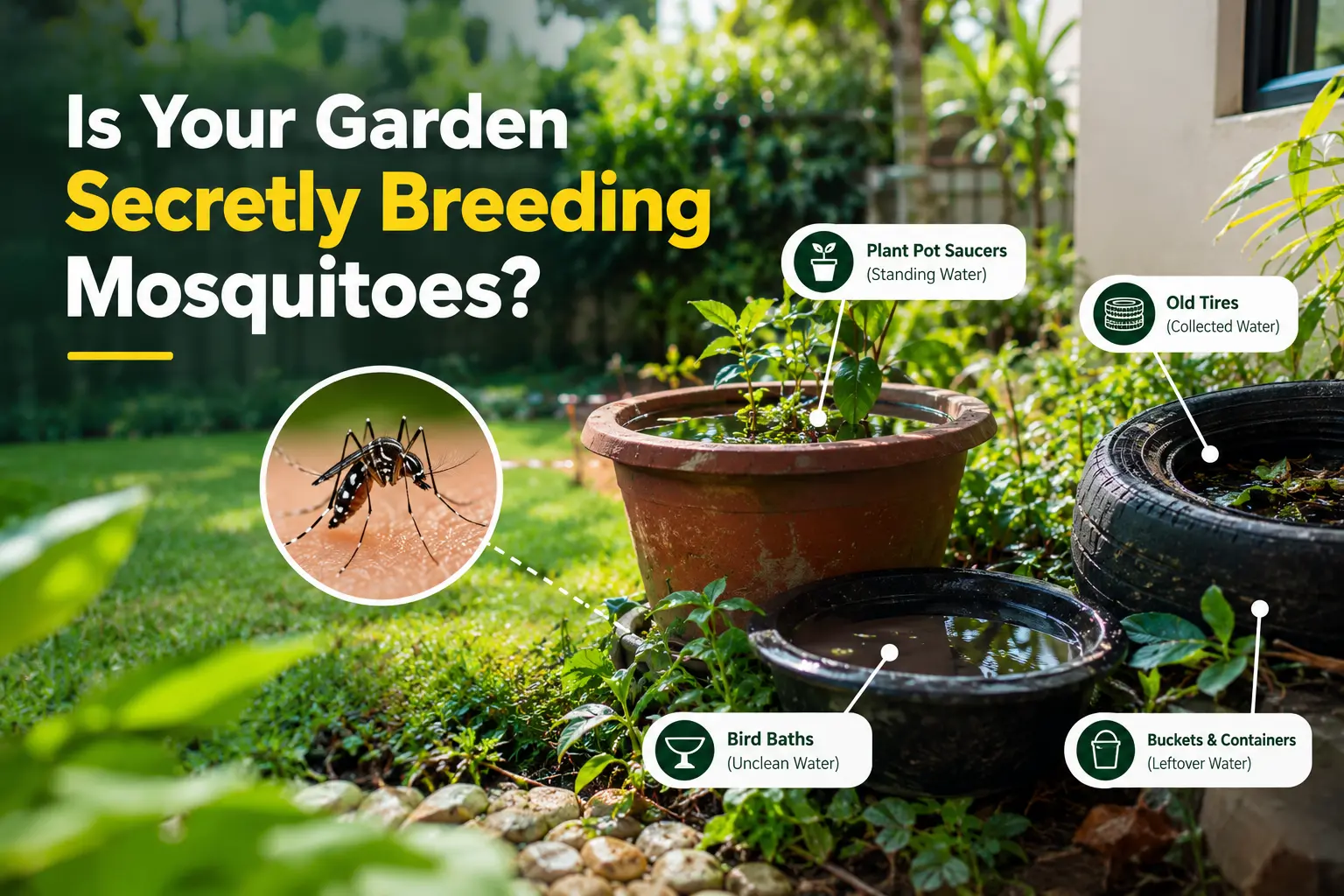
Breed in standing water, and activity rises after rain
Seasonal or repeat treatment plus water control
Your inspection should tell you which of these situations applies. If a provider recommends one visit for a problem that normally needs several, ask them to explain why.
How Can You Prevent Pests from Returning?
Whichever option you choose, what you do between visits matters as much as the treatment itself. Pests return when they find food, water and shelter, so remove those three things:
- Store food in sealed containers, including pet food
- Keep kitchens and food-preparation areas clean, and wipe up spills quickly
- Dispose of waste regularly and keep bins covered
- Seal suitable cracks, gaps and entry points around pipes, doors and windows
- Repair leaks and reduce unnecessary moisture
- Keep drains and the areas around the building clean
- Avoid clutter, which gives pests places to hide
- Check stored items and incoming packages, especially cardboard
- Follow the technician's advice after treatment, including any waiting time before cleaning treated areas
These habits make one-time treatments last longer and make regular plans more effective, because the technician then has fewer conditions to work against.
How to Choose the Right Pest Control Service
A good provider helps you decide, instead of pushing one option. Before you commit, ask these questions:
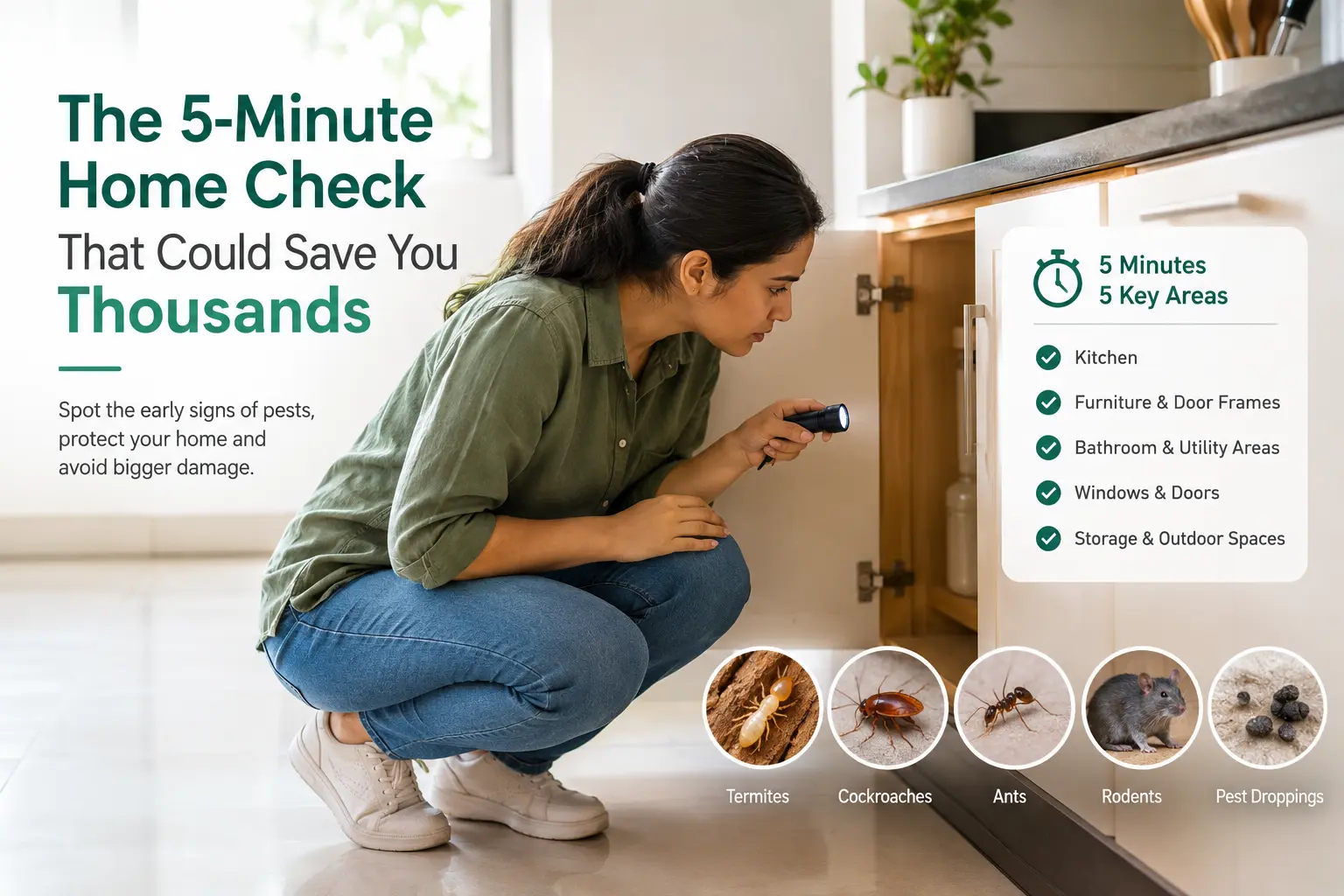
- Will you inspect the property and identify the pest before recommending a treatment?
- What methods and products will be used, and are they suitable for children, pets and food areas?
- How many visits are likely to be needed, and are follow-ups included?
- What does the agreement cover: which pests, how often, and for how long?
- What advice will you give me to prevent the problem returning?
- How will activity be recorded and reported to me?
At PestTrack, we begin with an inspection so the recommendation matches the pest and the property, whether that is a one-time visit or a longer-term plan for a home, rental or business. Whoever you choose, expect clear answers and a written scope.
Frequently Asked Questions
How often should you schedule pest control?
It depends on the pest, the property and the history of the problem. A home with no ongoing activity may only need a service when something appears, while food businesses and busy buildings often benefit from regular visits. An inspection will help set a sensible schedule.
Is a pest control plan better than a one-time treatment?
Not always. A plan suits recurring or high-risk situations, while a single visit suits a small, isolated problem. The better choice is the one that fits your pest, property and risk.
Is regular pest control worth the cost?
It can be, especially if you would otherwise pay for repeated callouts or risk damage to stock, property or reputation. Compare the full scope and total cost of each option and not only the first price.
Can one treatment get rid of pests permanently?
Sometimes, for a limited problem with a clear cause. It cannot be guaranteed, especially where nests, eggs or entry points remain, so follow the prevention advice you are given.
What factors affect pest treatment costs?
The pest, the size of the property, how severe the infestation is, the number of visits needed and whether follow-ups and inspections are included all affect the price.
Conclusion
A one-time treatment works best for a small, clearly identified problem. A regular plan works best where pests keep returning, where the property is large or complex, or where a missed infestation would be costly. Termites, bed bugs and established rodent problems usually need more than a single visit either way.
The most reliable way to decide is to start with an inspection, compare the full scope and terms of each option, and keep up the everyday habits that stop pests settling in. Good pest control is a mix of professional treatment and prevention at home or on site. If you are unsure which route fits your property, contact the PestTrack team and we will help you choose.