How Climate Change Is Increasing Pest Infestations Across Kerala
Indroduction
Kerala has always had a warm, humid climate. But something has shifted in recent years. Monsoons are lasting longer. Temperatures between seasons are noticeably higher. Flooding is more frequent. And for anyone living or running a business here, there is one uncomfortable side effect that rarely makes the headlines: pests are thriving like never before.
If you have noticed more mosquitoes buzzing around your home after the rains, termite damage appearing out of nowhere, or cockroaches showing up in places they never did before, climate change may be the root cause. Understanding the connection between changing weather and rising pest activity is the first step toward protecting your home, your family, and your business.
Understanding Climate Change in Kerala
Kerala sits in a tropical zone, which has always made it humid and warm. But climate scientists have been documenting measurable shifts over the past two decades that are changing the ecosystem in ways that directly benefit pests.
Rising Temperatures
Average temperatures in Kerala have increased steadily. Warmer conditions speed up the reproductive cycles of insects. A mosquito that once took two weeks to mature now reaches adulthood faster, which means more generations of mosquitoes per season and larger populations overall.
Extended and Irregular Monsoons
The monsoon season in Kerala is getting longer and less predictable. Heavy rainfall followed by warm, stagnant conditions creates the perfect environment for pests that breed in water and damp soil. Termites, mosquitoes, and cockroaches all benefit from this cycle.
Flooding and Waterlogging
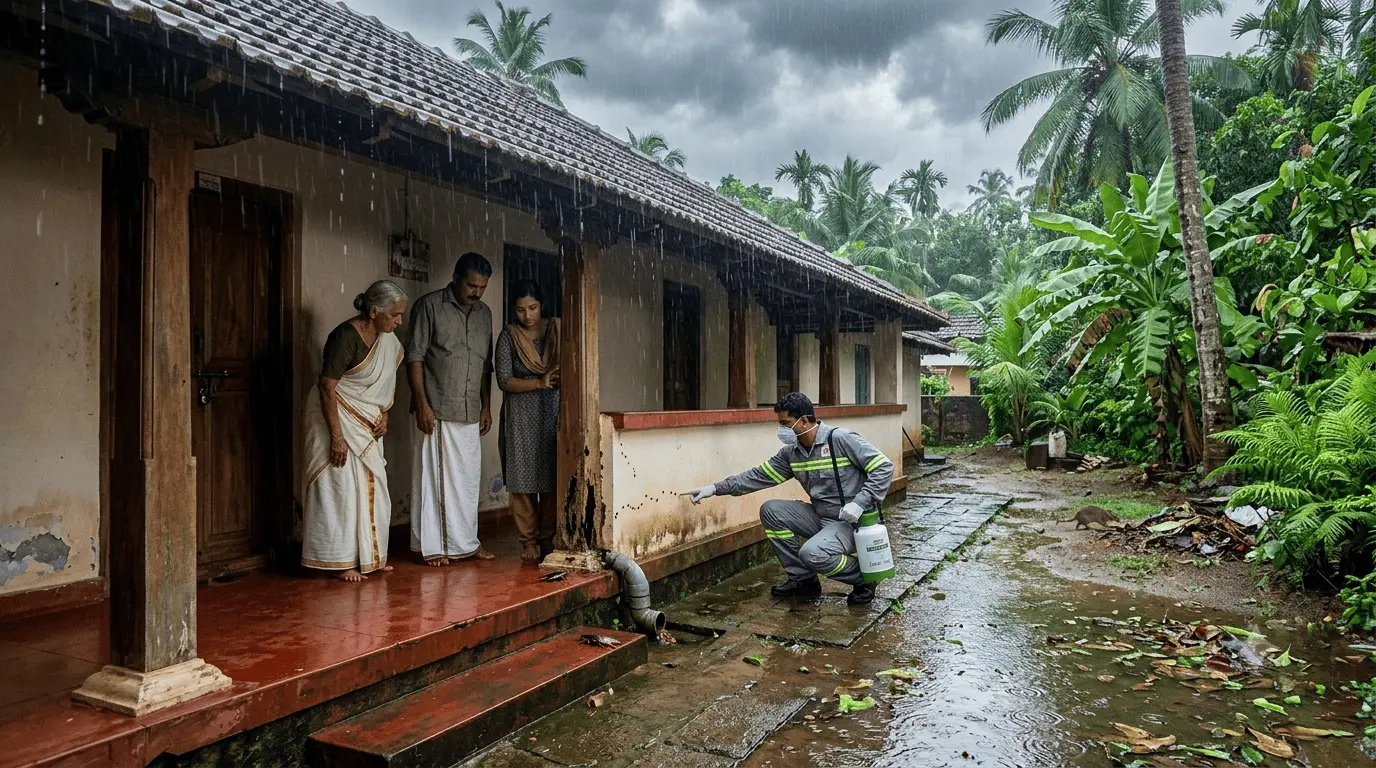
Post-flood conditions are particularly dangerous. Floodwaters push rodents, snakes, and insects out of their natural habitats and into homes and buildings. Once inside, they find shelter, food, and warmth, and they stay.
Persistent Humidity
High humidity levels encourage mould growth, wood decay, and food spoilage, all of which attract pests. Termites thrive in moist wood. Cockroaches love damp, dark corners. Ants follow trails of moisture through walls and foundations.
Why Climate Change Is Increasing Pest Infestations
The relationship between climate and pest behaviour is well-documented. Here is how specific weather changes are driving infestations across Kerala:
• Mosquitoes breed faster in warmer water and multiply more rapidly during extended rainy seasons
• Termites become more active in moist soil conditions following floods and heavy rainfall
• Cockroaches thrive in warm, humid indoor environments, exactly what Kerala homes offer year-round
• Rodents are displaced by flooding and increasingly enter residential and commercial properties seeking shelter
• Ants expand their colonies aggressively when temperatures rise, often nesting inside walls and under flooring
• Flies multiply faster in warm weather and are drawn to organic waste made worse by irregular garbage disposal after floods
In short, climate change is not just an environmental concern; it is a direct public health and property risk for every home and business in Kerala.
Most Common Climate-Related Pests in Kerala
Mosquitoes
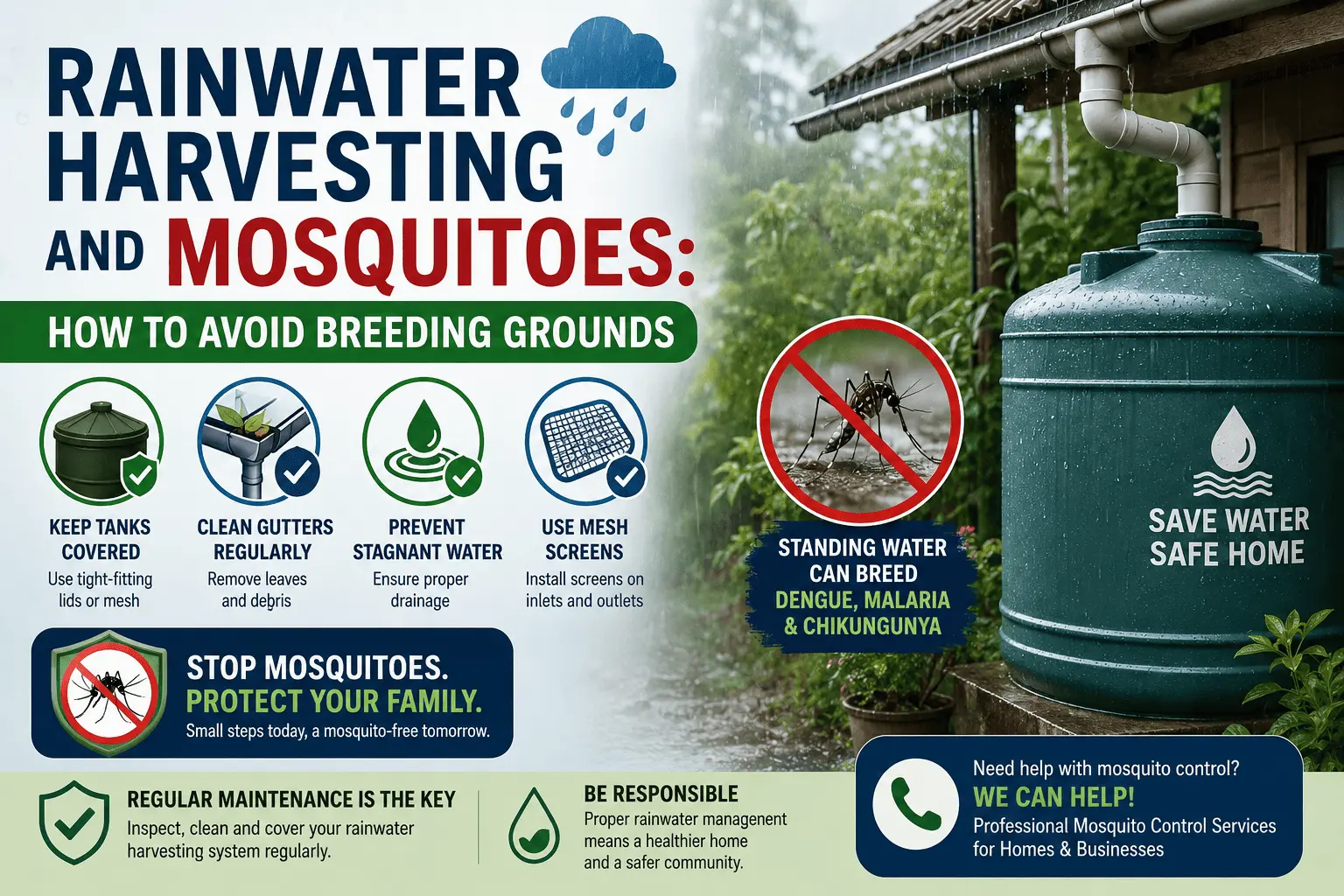
Kerala's post-monsoon puddles and waterlogged areas are mosquito nurseries. The Aedes aegypti mosquito, responsible for dengue fever, breeds in even small pools of stagnant water like flower pots, discarded tyres, and blocked drains. With longer wet seasons, mosquito populations now peak multiple times a year instead of once.
Termites
Subterranean termites are the most destructive pest problem in Kerala homes. They live underground, travel through mud tubes, and can consume wooden furniture, door frames, and structural beams silently over months. Moist post-monsoon soil is ideal for their colonies to expand rapidly. Many homeowners only discover the damage after it is severe.
Cockroaches
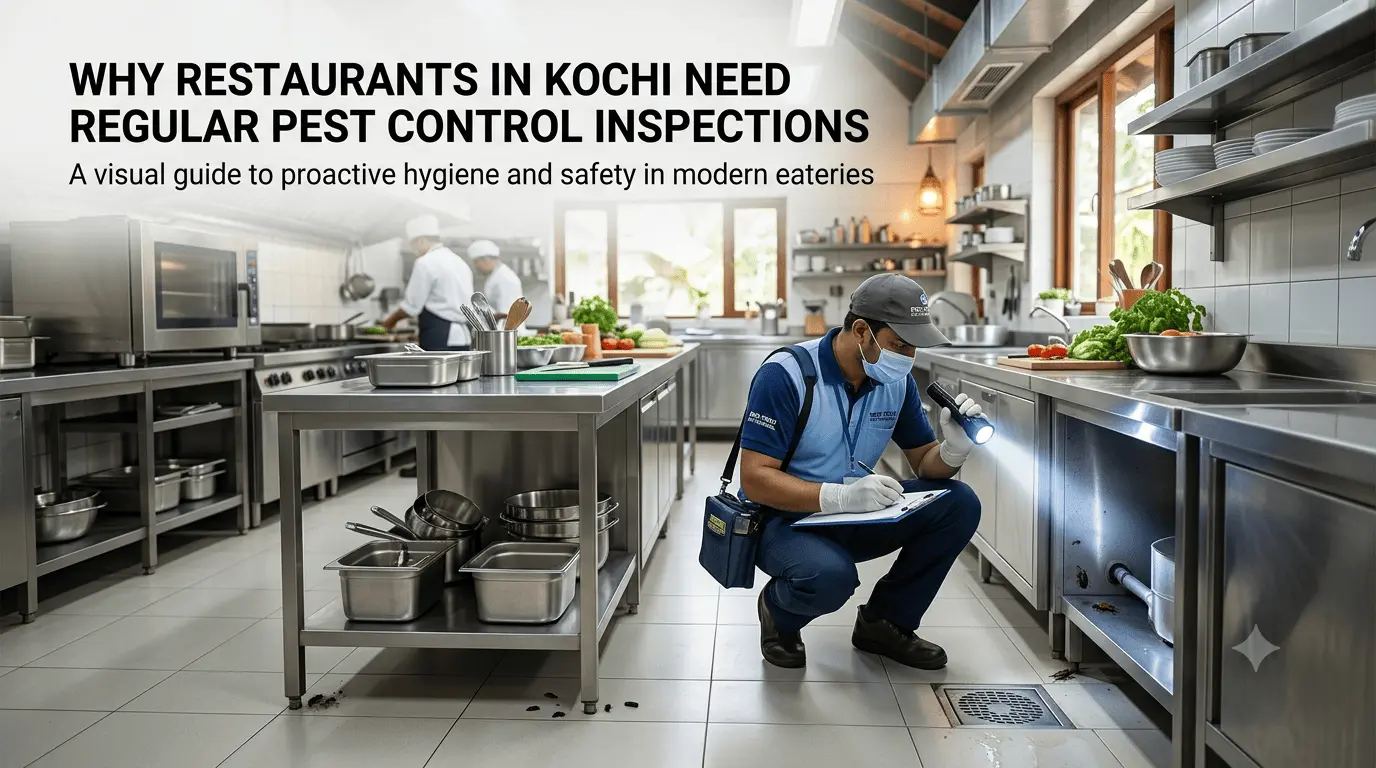
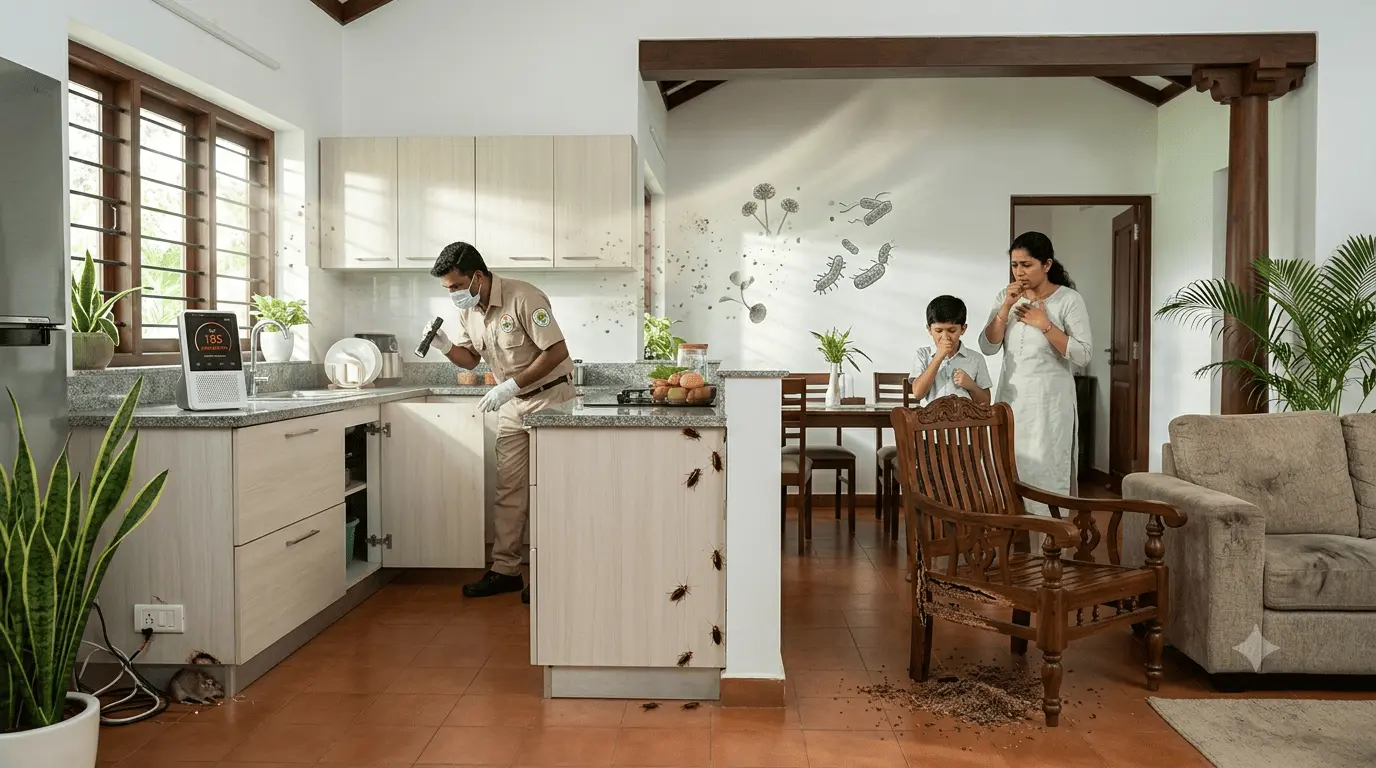
German and American cockroaches are increasingly common in Kerala kitchens, drainage systems, and commercial food facilities. They thrive in humid conditions, breed rapidly, and carry bacteria that contaminate food and surfaces. Rising indoor temperatures and poor ventilation make apartments and restaurants particularly vulnerable.
Rodents
Flooding drives rats and mice into homes and offices. Once inside, they gnaw through electrical wiring, contaminate food supplies, and spread diseases like leptospirosis through their droppings and urine. Rodent infestations are now reported across both urban and rural areas of Kerala with increasing frequency.
Ants
Carpenter ants and fire ants are becoming more aggressive in Kerala due to warmer temperatures. Carpenter ants damage wooden structures much like termites, while fire ants pose a direct physical risk through painful stings. Both species expand their colonies aggressively during warm, wet conditions.
Warning Signs of a Pest Infestation
Catching an infestation early saves significant time, money, and stress. Watch for these signs:
• Mud tubes along walls, floors, or wooden structures — a clear sign of termite activity
• Droppings near food storage, under sinks, or along skirting boards — rodents or cockroaches
• Gnaw marks on wiring, wood, or food packaging — rodents
• Hollow-sounding wood or blistering paint — termites feeding beneath the surface
• Dead insects near windows or light sources — often indicates a larger hidden colony
• Unusual musty or ammonia-like smells — sign of rodent nesting or cockroach colonies
• Scratching or scurrying sounds inside walls, especially at night — rodents or large insects
• Visible swarms of winged insects — termite swarming season, particularly after rains
If you notice even two or three of these signs together, it is time to call a professional pest control service near you before the problem escalates.
Health Risks Associated with Increased Pest Activity
Pests are not just a nuisance — they are a serious health hazard. Here is what unchecked infestations can lead to:
• Dengue and Chikungunya — spread by Aedes mosquitoes breeding in stagnant water
• Malaria — carried by Anopheles mosquitoes thriving in post-monsoon conditions
• Leptospirosis — a bacterial infection spread through rodent urine, particularly common during floods in Kerala
• Food contamination — cockroaches and rodents carry Salmonella and E. coli onto kitchen surfaces and food
• Allergies and Asthma — cockroach droppings and shed skin are known triggers for respiratory problems
• Structural damage — termites can compromise the structural integrity of buildings over time, leading to costly repairs
For hospitals, schools, restaurants, and food businesses, a pest infestation is not just a health risk it is a regulatory and reputational risk that can affect licences and customer trust.
How to Protect Your Home During Changing Weather
Prevention is always more effective and affordable than treatment. Here are practical steps every homeowner and business owner can take:
• Remove standing water — empty flower pots, water containers, and anything that collects rainwater regularly
• Fix leaks immediately — leaking pipes, roof seepages, and damp walls attract termites and cockroaches
• Seal cracks and gaps — check doors, window frames, walls, and foundations for entry points
• Store food in airtight containers — never leave food uncovered, especially in warm weather
• Maintain cleanliness — clean kitchens, drains, and waste bins regularly, particularly after heavy rains
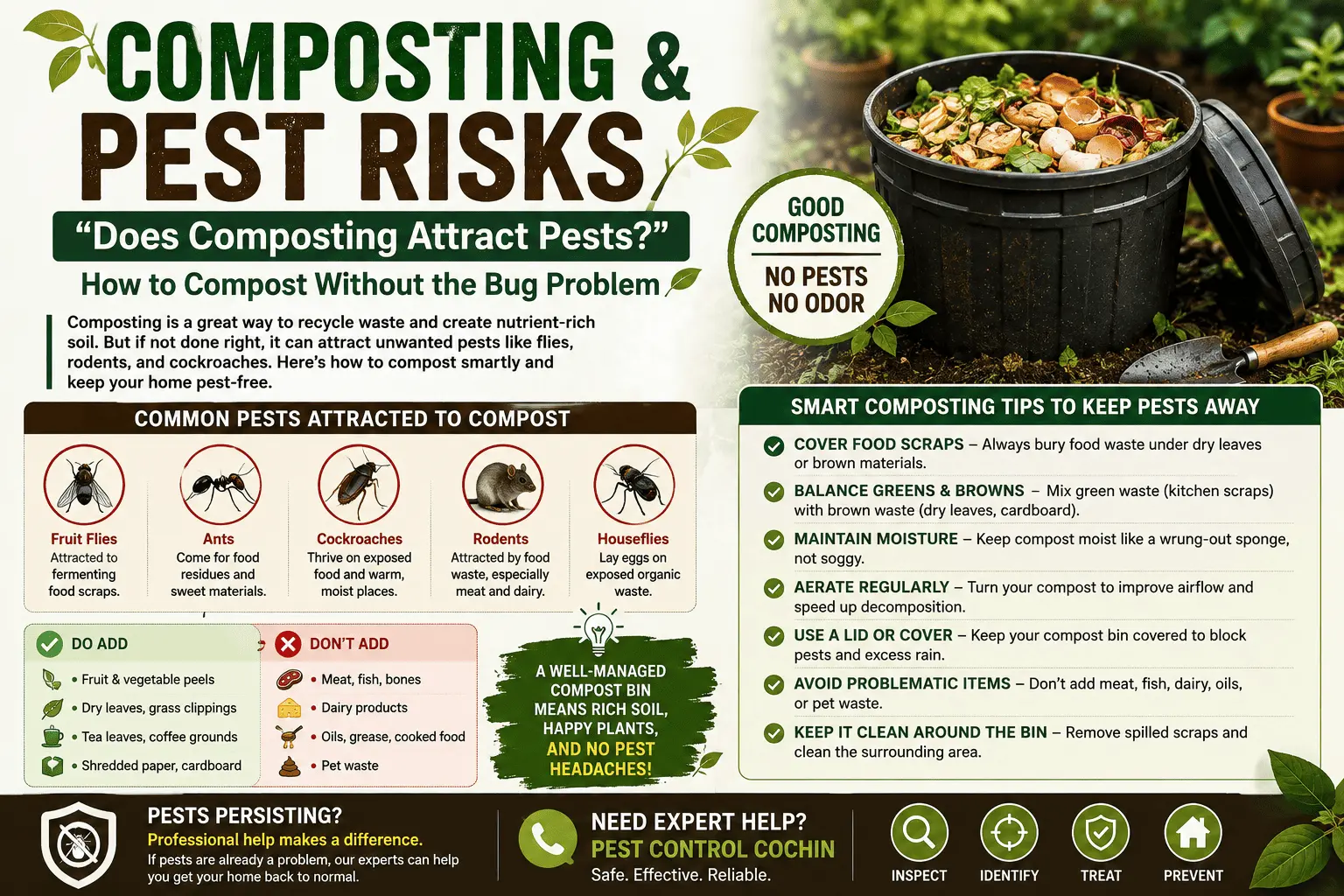
• Dispose of waste correctly — do not allow garbage to accumulate, especially organic waste
• Trim vegetation around your property — overgrown plants and trees touching the building are highways for ants and termites
• Schedule regular professional pest inspections — especially before and after monsoon season
These habits reduce the risk significantly but cannot eliminate it entirely, especially when climate conditions are actively pushing pests toward human habitation.
Why Professional Pest Control Matters
DIY sprays and over-the-counter solutions treat what you can see. Professional pest control addresses what you cannot: hidden colonies, structural entry points, and recurring infestation cycles.
Here is what professional pest management services offer that home remedies simply cannot:
• Early detection — trained technicians spot signs of infestation before they become full-blown problems
• Targeted treatments — different pests require different chemical and non-chemical solutions; professionals know which works and where
• Safe application — approved treatments that are safe for children, pets, and food preparation areas
• Long-term protection — treatments designed to prevent re-infestation, not just eliminate current pests
• Customized pest management plans — tailored to your property type, pest history, and seasonal risk
• Eco-friendly solutions — modern professional pest control uses low-toxicity, environmentally responsible products
Whether you are a homeowner searching for pest control service near me, or a business owner looking for a reliable pest control Kerala provider, professional intervention is the only way to get lasting results.
Why Choose PestTrack?
PestTrack has been protecting homes and businesses across Kerala from pest infestations with proven, science-backed methods. Here is what makes our approach different:
• Experienced, certified technicians with deep knowledge of Kerala's local pest landscape
• Government-approved, safe treatments for residential, commercial, and sensitive environments like hospitals and schools
• Comprehensive services — from termite control and cockroach control to mosquito control and rodent management
• Residential and commercial pest control packages customized to your property size and needs
• Fast response times — because pest problems do not wait for a convenient schedule
• Long-lasting protection with follow-up inspections and service guarantees
From individual apartments and independent houses to hotels, restaurants, offices, and industrial facilities, PestTrack delivers professional pest management services that stand up to Kerala's toughest climate conditions.
Visit us at https://www.pesttrack.co.in/ or call us today to schedule your inspection.
Frequently Asked Questions
Why are pests increasing in Kerala? Climate change is the primary driver. Rising temperatures, longer monsoons, flooding, and persistent humidity create ideal breeding and living conditions for mosquitoes, termites, cockroaches, and rodents. These conditions are becoming more common across Kerala, pushing pest populations into homes and businesses at higher rates than before.
How does climate change affect mosquito populations? Warmer temperatures speed up the mosquito life cycle, allowing them to breed and mature faster. Longer wet seasons mean more standing water for breeding. The result is larger mosquito populations that peak multiple times per year, increasing the risk of dengue, malaria, and chikungunya across Kerala.
What are the early signs of a termite infestation? Look for mud tubes along walls or wooden structures, hollow-sounding wood, blistering or bubbling paint, and discarded wings near windowsills after rain. Termites are silent destroyers; by the time visible damage appears, the colony may have been active for months. Schedule a professional inspection at the first sign.
How often should I get a professional pest inspection? For most Kerala homes, a professional pest inspection twice a year, before and after monsoon, is recommended. Properties with a history of infestation, damp conditions, or older construction should consider quarterly inspections. Commercial properties like restaurants and hotels may require monthly checks.
Is professional pest control safe for children and pets? Yes, when carried out by certified professionals using approved products. PestTrack uses treatments that are safe for families and pets when applied correctly. Technicians will advise you on any brief precautions like temporary vacating of treated areas.
What is the difference between residential and commercial pest control? Residential pest control focuses on homes, apartments, and villas with treatments tailored to living spaces. Commercial pest control addresses larger, more complex environments like offices, restaurants, hotels, hospitals, and warehouses, often with stricter compliance requirements and more frequent service schedules.
Can pests cause structural damage to my home? Yes. Termites are the most serious structural threat, capable of hollowing out wooden beams, door frames, and furniture over time. Rodents chew through electrical wiring, which can cause fires. Early detection and treatment are critical to preventing costly structural repairs.
How does leptospirosis spread during floods in Kerala? Leptospirosis is a bacterial disease spread through water or soil contaminated with rodent urine. During Kerala's frequent floods, rodents are displaced, and their urine mixes with floodwaters. People who wade through or come into contact with this water are at risk. Rodent control is an essential part of flood-season health protection.
Why should I choose a professional pest control service near me instead of DIY? Over-the-counter sprays treat visible pests but rarely eliminate colonies or breeding sites. Professional pest control identifies the root cause, applies targeted treatments to hidden areas, and provides long-term prevention plans. It is more cost-effective in the long run and far safer for your household.
Does PestTrack offer pest control services across all of Kerala? Yes. PestTrack provides pest control services in Kochi and across Kerala, including residential, commercial, and industrial properties. Our teams are equipped to handle a full range of pest problems from termite and cockroach control to rodent and mosquito management with fast response and reliable results.
Conclusion
Kerala's climate is changing, and pests are changing with it. Warmer temperatures, longer monsoons, and recurring floods have made the state's pest problem more complex, more widespread, and more difficult to manage without professional help. The good news is that with the right preventive habits and timely professional intervention, you can protect your home, your family, and your business from the health and property risks that come with rising pest populations. Do not wait for an infestation to take over before acting. The most effective pest control strategy is a proactive one: regular inspections, professional treatments, and seasonal pest management tailored to Kerala's unique climate conditions.PestTrack is Kerala's trusted partner for professional pest management services. Whether you need residential pest control for your home or commercial pest control for your business, our experienced team is ready to help.