Dengue Prevention in Kochi: The Role of Effective Mosquito Control
Introduction
Dengue prevention isn't a seasonal talking point in Kochi; it's a recurring reality tied closely to the region's rainfall patterns. Each year, as the southwest monsoon settles over Kerala between June and September, mosquito activity rises alongside it, and so does the number of dengue cases reported across the state. In 2026, Ernakulam district, which includes Kochi, was identified as recording the highest number of dengue cases in Kerala during a ten-day stretch in late June, according to Kerala Directorate of Health Services data reported by The News Minute, prompting the state health department to roll out a special disease-prevention action plan starting July 1, 2026.
That context matters, because it points to something important: dengue prevention isn't only a medical issue. A large part of it depends on what happens around homes, apartments, and business premises, specifically, how well mosquito breeding is kept in check. This article looks at how mosquitoes spread dengue, why Kochi's weather patterns make mosquito control especially relevant, and what role effective, ongoing pest management plays in reducing risk alongside the personal and public-health measures that remain equally important.
Why Dengue Prevention Matters in Kochi
Dengue is one of the more common mosquito-borne illnesses in tropical, densely populated urban environments, and Kochi fits that description closely. High humidity, frequent rainfall, and a mix of residential, commercial, and construction activity create many small opportunities for water to collect and stay still, which is exactly what the mosquito responsible for dengue needs to breed.
Kerala's health data shows how closely this tracks with the monsoon calendar. Fever-related hospital visits across the state climbed sharply in mid-June 2026, with government hospitals recording close to 40,000 outpatient visits over a single three-day period and dengue cases rising from 52 to over 100 confirmed cases per day within that same window, based on Kerala Health Department figures reported by The South First. By late June, state media citing health department data reported that dengue had contributed to at least 11 deaths that month alone, alongside leptospirosis and seasonal influenza, as fever-related illnesses strained hospital resources statewide.
This is why prevention is emphasized every monsoon season, not as an alarmist message, but because the conditions that allow mosquito populations to grow are largely preventable at the property level. That said, property-level mosquito control is only one part of the picture. It reduces the risk of exposure; it doesn't eliminate dengue as a disease, and it works best alongside personal protection and public-health measures, which we'll come back to later in this article.
How Mosquitoes Spread Dengue
Dengue is transmitted through the bite of an infected Aedes mosquito, most commonly Aedes aegypti. It's worth being precise here: not every mosquito carries dengue. A mosquito becomes capable of transmitting the virus only after biting a person who is already infected, after which it can pass the virus on through subsequent bites.
Aedes mosquitoes have a few distinguishing habits that matter for prevention:
- They breed specifically in clean or relatively clean stagnant water, not dirty drains or sewage, which is a common misconception
- They tend to bite during the early morning and late afternoon rather than only at night
- Their eggs can survive dry conditions for extended periods and hatch quickly once they come into contact with water again
This means a property doesn't need to look unhygienic to have a mosquito breeding problem. A covered flowerpot saucer, a neglected bucket, or a rarely checked overhead tank can be enough, which is part of why regular, deliberate inspection matters more than general cleanliness alone.
How Rainfall and Stagnant Water Increase Mosquito Breeding
Kochi's monsoon rainfall is intense but often uneven, with heavy downpours followed by dry spells that leave water sitting in places it wouldn't otherwise collect. The India Meteorological Department issued a heavy-to-very-heavy rainfall warning for Ernakulam district in early August 2026, forecasting isolated locations receiving substantial rain within a 24-hour period a pattern that repeats through the monsoon months and directly feeds mosquito breeding cycles.
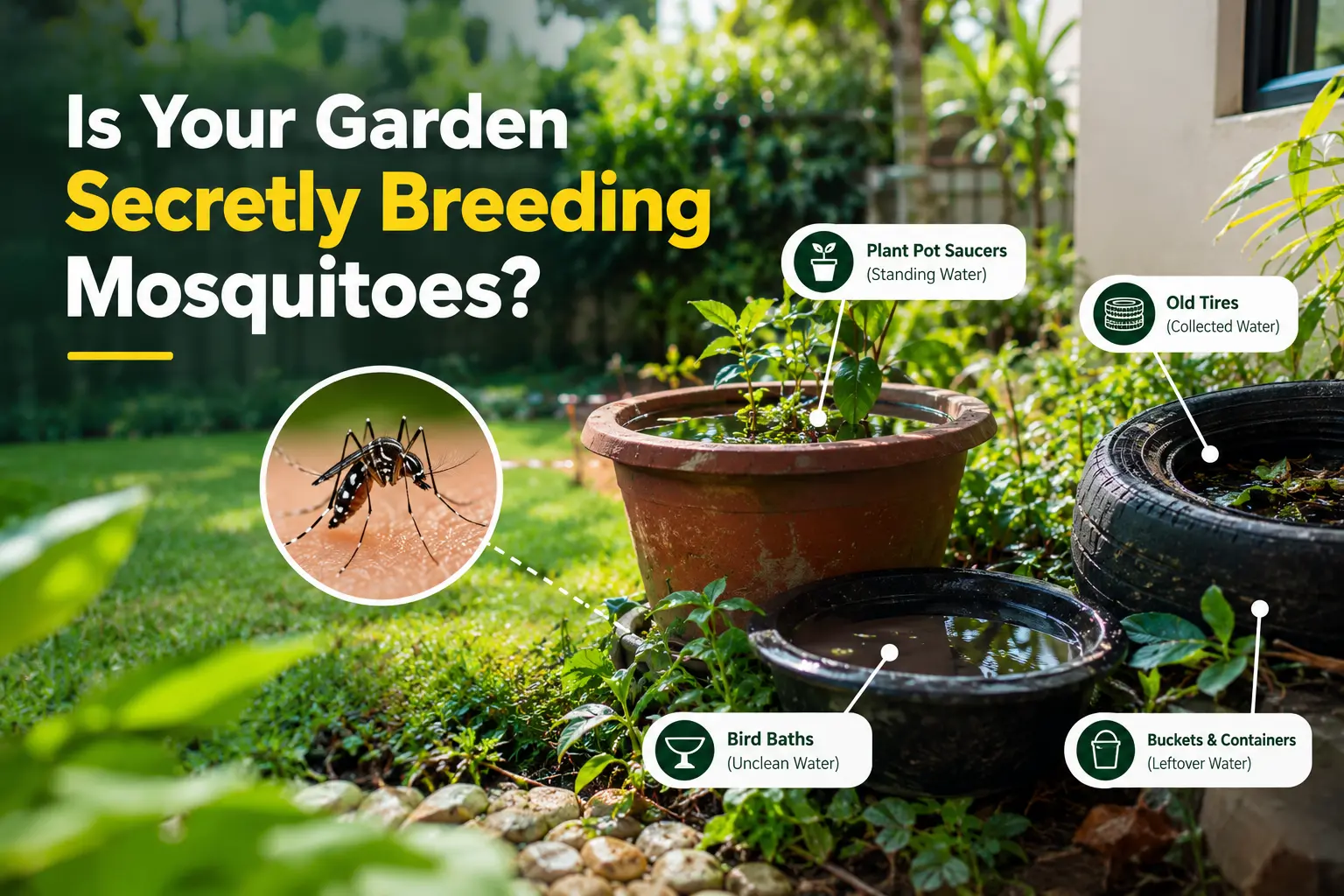
Some of the most common places where rainwater accumulates unnoticed include:
- Buckets and open containers left outdoors, even briefly
- Plant pots and trays, especially when watering schedules leave standing water in saucers
- Discarded containers such as bottles, tins, or broken household items
- Roof gutters, which trap leaves and debris that hold water after rain
- Blocked drains, where water backs up instead of draining away
- Construction materials, including tarpaulins, pits, and uneven ground on active or paused construction sites
- Open water storage containers, including uncovered tanks, drums, and sumps
- Waste materials, like tyres or packaging, that collect rainwater in unused corners of a property
Because a mosquito can complete its breeding cycle in about a week under warm conditions, a container that's overlooked for even a few days after rain can become a breeding site. This is why checking these areas needs to happen repeatedly through the monsoon, not just once at the season's start.
The Role of Effective Mosquito Control in Dengue Prevention
Mosquito control contributes to dengue prevention primarily by reducing the number of places where mosquitoes can breed and by managing existing mosquito populations before they grow. This generally involves a few connected activities:
- Removing breeding sites — identifying and eliminating standing water sources on a property
- Property inspection — routinely checking both obvious and overlooked areas, particularly after rainfall
- Environmental management — addressing drainage issues, covering water storage, and reducing clutter that traps water
- Monitoring mosquito activity — tracking whether mosquito presence is increasing or decreasing over time, rather than reacting only when it becomes a visible nuisance
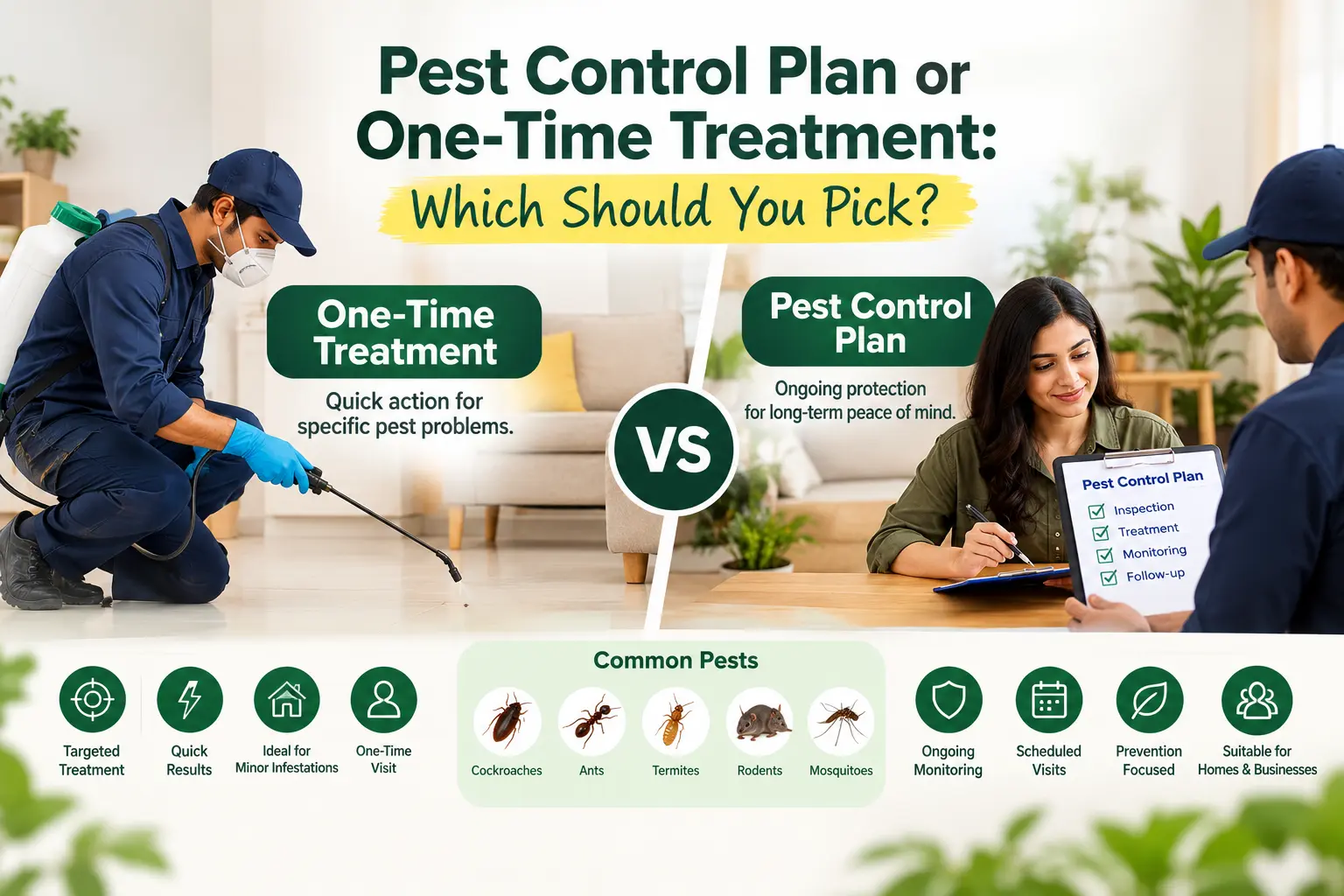
- Preventive pest management — building inspection and treatment into a regular schedule rather than responding only after problems appear
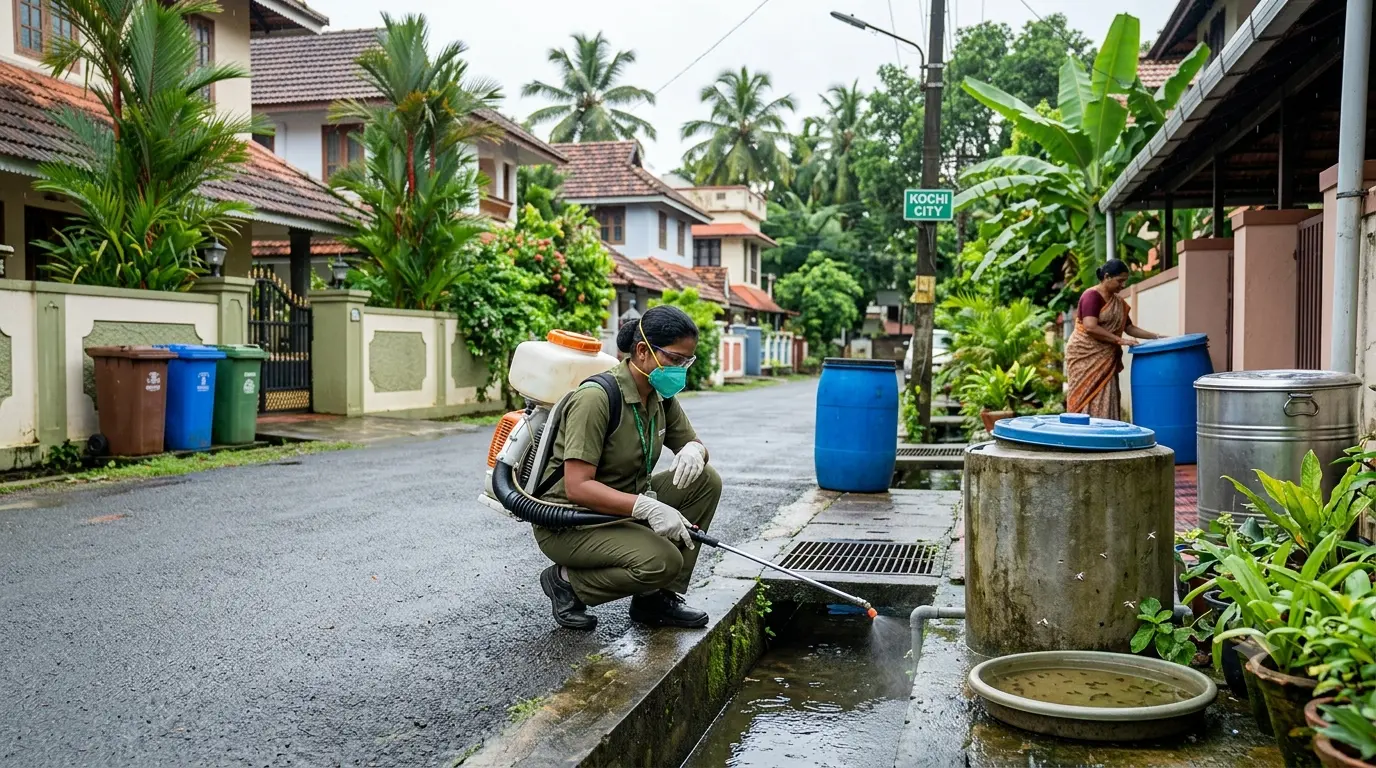
- Appropriate professional treatment, such as larvicidal application or fogging, used where property conditions genuinely call for it
It's important to be clear about what this does and doesn't achieve. Mosquito control reduces the opportunities for mosquito populations to build up around a specific property, which lowers but does not eliminate the risk of dengue exposure. It cannot control mosquito activity beyond a property's boundaries, and it is not a substitute for the personal protection and public-health measures discussed later in this article. Presenting mosquito control as a guaranteed way to prevent dengue would be inaccurate, and no responsible pest management provider should claim otherwise.
Practical Ways to Prevent Mosquito Breeding at Home
Much of dengue prevention starts with small, repeated habits rather than one-time effort. Useful steps for homeowners in Kochi include:
- Remove stagnant water wherever it collects, especially after rain
- Cover water-storage containers, tanks, and sumps securely
- Clean drains and gutters regularly, particularly during the monsoon
- Empty and scrub plant trays and saucers at least once a week
- Dispose of containers that could collect rainwater: old tyres, broken pots, packaging
- Keep outdoor areas clear of clutter that traps water
- Check construction or storage areas on the property, even if they're rarely used
- Inspect the entire property after any significant rainfall, not just the areas that are normally visible
None of these steps require professional intervention on their own, but consistency matters more than intensity a quick weekly check tends to be more effective than an occasional deep clean.
Mosquito Prevention Tips for Apartments and Residential Communities
Apartment complexes and gated communities face a slightly different challenge: prevention depends on shared spaces as much as individual units. A single resident keeping their balcony clear does little good if the building's terrace, parking area, or common garden has standing water.
Areas that need coordinated attention in these settings include:
- Shared gardens, where ornamental plants and irrigation systems can create standing water
- Parking areas, especially uneven surfaces where water pools after rain
- Rooftops, which often collect water in unused corners, discarded materials, or maintenance equipment
- Common drainage systems, which need regular clearing to avoid backup
- Water-storage areas, including overhead tanks serving multiple units
- Waste-collection points, where containers and discarded items can accumulate water between collection days
Because these spaces are shared, prevention works best as a coordinated effort through resident associations, facility management, or scheduled community inspections rather than something left to individual households.
Mosquito Control for Offices and Commercial Properties
Businesses carry a similar responsibility, often across larger and more varied spaces. Properties such as restaurants, hotels, offices, warehouses, and schools typically need to monitor:
- Outdoor areas, including courtyards, walkways, and landscaping
- Drains, particularly around kitchens, utility areas, or loading zones
- Waste-storage areas, where bins and discarded packaging can trap water
- Parking spaces, especially open-air lots with uneven drainage
- Construction zones, for businesses undergoing renovation or expansion
- Water-storage areas, including tanks serving the building
- Landscaping areas, where ornamental water features or dense plantings can hold moisture
For many of these properties, a structured pest-management programme with scheduled inspections rather than one-off responses tends to fit better with the ongoing hygiene expectations these businesses operate under, particularly food-service and hospitality establishments.
When Should You Consider Professional Mosquito Control?
Household prevention handles most everyday risk, but there are situations where professional input becomes genuinely useful:
- Mosquito activity persists despite regular checks and cleaning
- Problems recur repeatedly after each bout of rainfall
- Breeding areas exist that are difficult to access or inspect independently, such as deep drains, large tanks, or extensive outdoor grounds
- The property covers a large outdoor area that's hard to monitor consistently
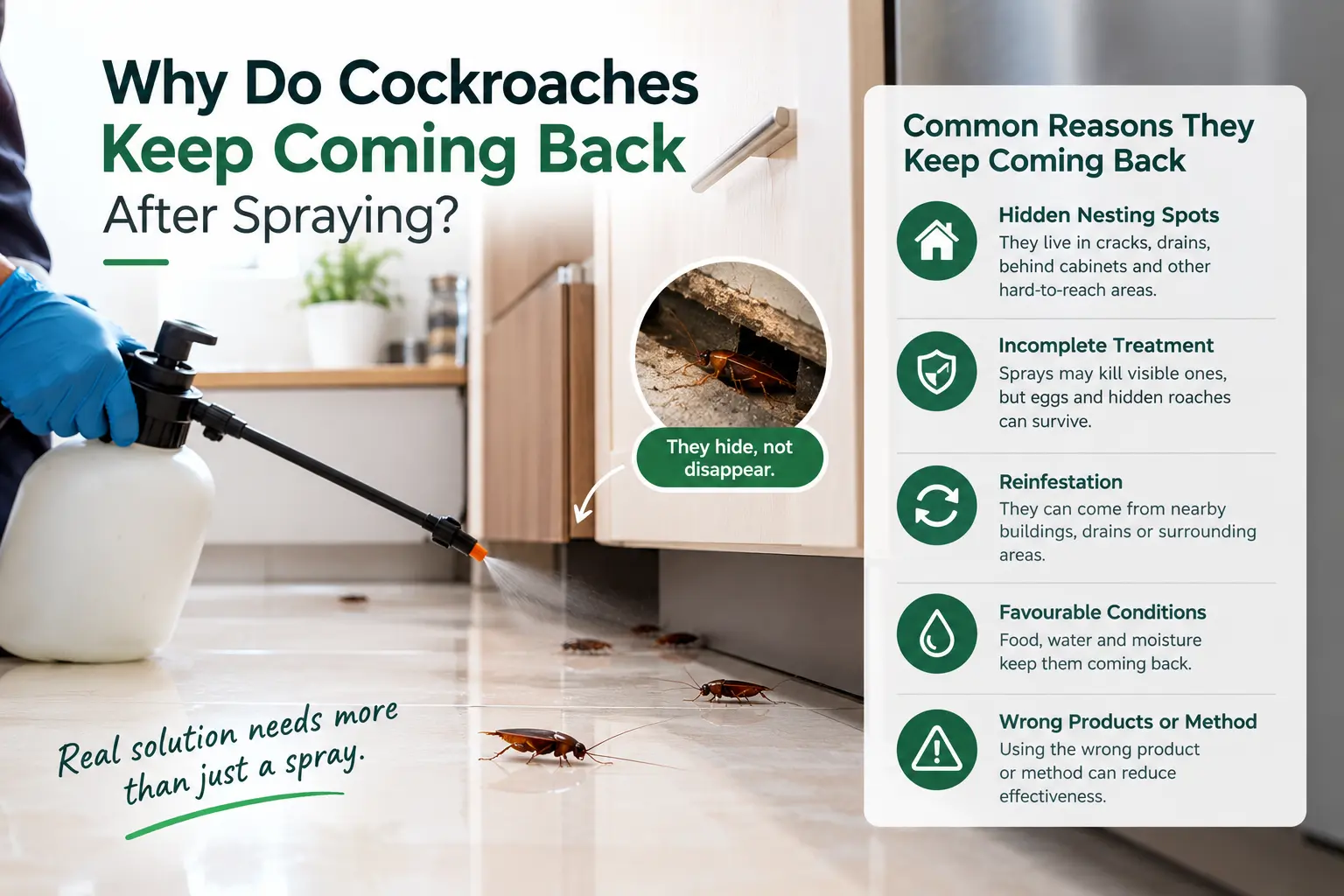
- Pest issues, mosquito-related or otherwise, keep recurring despite prevention efforts
- A commercial property requires regular, documented monitoring for hygiene or compliance reasons
Professional assessment should be based on actual property conditions rather than applied automatically. A property with no persistent issues and manageable outdoor space may not need ongoing professional treatment; a property with recurring problems or difficult-to-monitor areas likely will benefit from it.
Dengue Prevention Requires More Than Pest Control
This is worth stating plainly: mosquito control is one part of dengue prevention, not the whole of it. A complete approach includes several layers working together:
- Removing mosquito breeding sites, as covered throughout this article
- Personal protection, including using mosquito repellents on exposed skin
- Wearing protective clothing, such as long sleeves and trousers, particularly during early morning and late afternoon hours when Aedes mosquitoes are most active
- Using screens or mosquito nets on windows, doors, and sleeping areas
- Following public-health guidance issued by the Kerala Health Department or local health authorities, especially during active disease-prevention drives
- Seeking medical care promptly if symptoms develop
Pest control services, including PestTrack's mosquito management work, are designed to reduce one part of this risk: the mosquito population and breeding conditions around a specific property. They are not a medical service and shouldn't be treated as one. Preventing dengue effectively means combining property-level mosquito control with these personal and community-level measures.
When to Seek Medical Attention for Suspected Dengue
Common early symptoms associated with dengue include high fever, severe headache, pain behind the eyes, and joint or muscle pain. Some cases can progress to more serious symptoms, including persistent vomiting, abdominal pain, or unusual bleeding.
If you or someone in your household develops fever along with these symptoms, particularly during monsoon months, the appropriate step is to consult a doctor or visit a healthcare facility promptly rather than waiting to see if symptoms resolve on their own. Early medical evaluation is especially important given that dengue symptoms can overlap with other monsoon-season illnesses common in Kerala, such as leptospirosis, which also requires prompt treatment.
This article is not a substitute for medical advice, and no pest control measure, however consistent, is a treatment for dengue once infection has occurred.
Key Takeaways
- Dengue prevention in Kochi is closely tied to monsoon-season mosquito breeding, and Ernakulam district has recorded significant dengue activity during recent monsoon periods.
- Aedes mosquitoes breed in stagnant water, often in ordinary places like plant trays, buckets, and uncovered tanks, not only in visibly unhygienic conditions.
- Rainfall and humidity create repeated breeding opportunities, so checking for standing water needs to happen regularly through the monsoon, not just once.
- Property-level mosquito control reduces breeding opportunities and mosquito populations but does not guarantee dengue prevention on its own.
- Apartments, offices, and commercial properties benefit from coordinated, scheduled mosquito prevention across shared spaces.
- Personal protection, public-health guidance, and prompt medical care remain essential alongside pest control.
- Professional mosquito control is worth considering when problems persist, recur, or involve areas that are hard to monitor independently.
Frequently Asked Questions
How can I prevent dengue mosquitoes around my home in Kochi?
Regularly remove standing water from containers, plant trays, and blocked drains, keep water-storage tanks covered, and inspect your property after every rainfall. Combine this with personal protection like repellents and mosquito nets.
Does stagnant water increase mosquito breeding?
Yes. Aedes mosquitoes specifically lay eggs in still water, even small amounts. Clean-looking stagnant water like that in a plant saucer is just as much a breeding risk as dirtier water.
How often should I check my property for mosquito breeding?
During the monsoon months (roughly June to September in Kochi), weekly checks are advisable, along with an additional check after any heavy rainfall, since breeding sites can form quickly.
What is the role of pest control in dengue prevention?
Pest control reduces mosquito breeding sites and mosquito populations around a property, lowering exposure risk. It works alongside, not instead of, personal protection and public-health measures.
When should I consider professional mosquito control?
If mosquito problems persist despite regular home prevention, recur after every rain, or involve hard-to-access areas like large tanks or extensive outdoor grounds, professional inspection can help identify what's being missed.
Can mosquito control completely prevent dengue?
No. Mosquito control lowers risk by reducing breeding opportunities, but it cannot guarantee dengue prevention, since exposure can still occur beyond a single property's boundaries. Personal protection and medical care remain necessary.
How can apartments prevent mosquito breeding?
Apartment complexes need coordinated checks across shared spaces, rooftops, parking areas, gardens, and common drainage rather than relying on individual households alone, since breeding in shared areas affects the entire building.
What should businesses do to reduce mosquito breeding?
Businesses should routinely inspect outdoor areas, drains, waste-storage points, and water-storage systems, and consider a structured, scheduled pest-management programme rather than reactive treatment, particularly for food-service and hospitality properties.