How Pest Infestations Affect Indoor Air Quality
Indroduction
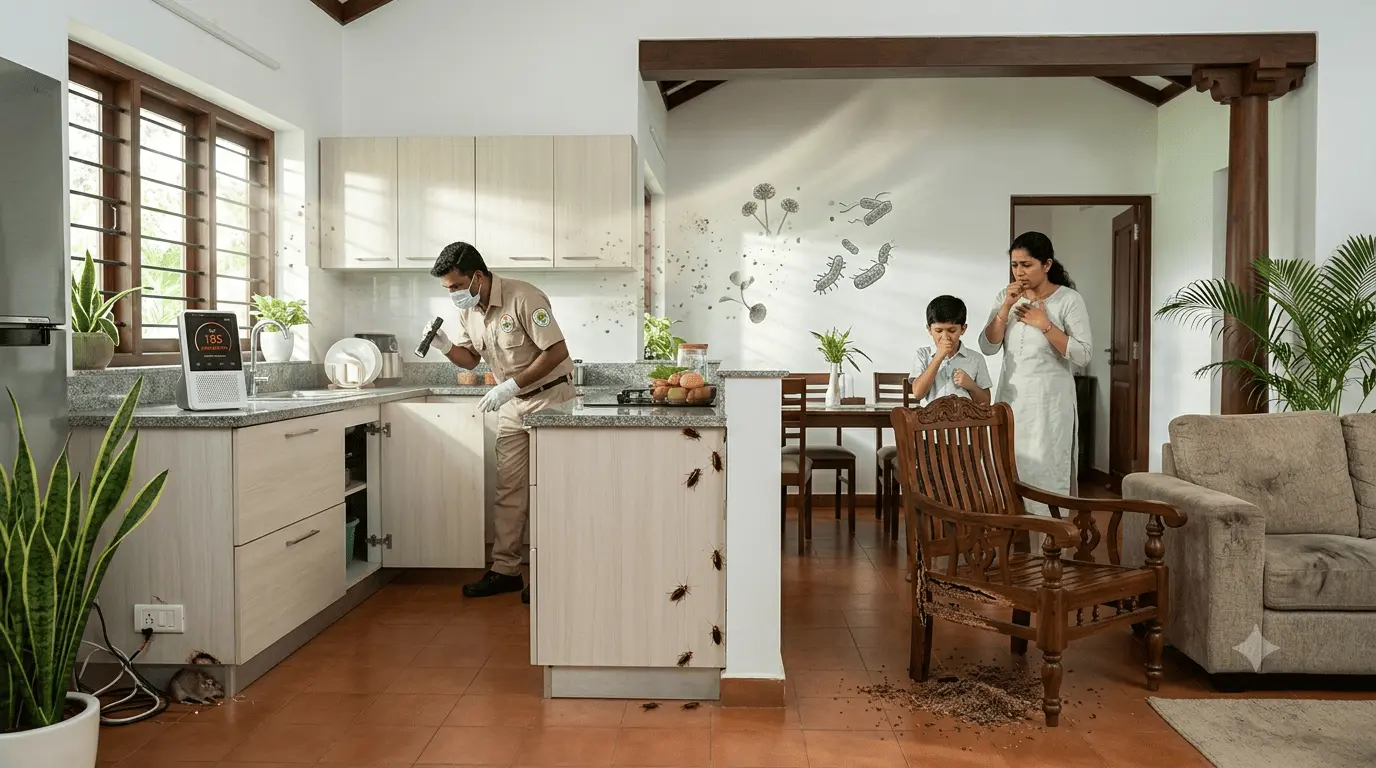
When people think about pests, they usually picture chewed-up wires, damaged furniture, or food gone bad. What most people don't think about is the air they're breathing. Pests leave behind more than a visible mess: droppings, shed skin, urine, nesting material, and dead insects all break down into tiny particles that mix into the air inside your home or office. Over time, this can quietly turn a normal-looking room into a source of ongoing health irritation. This is one of the lesser-known reasons why Pest Control Kochi services are in such steady demand, because keeping pests out isn't just about protecting property; it's about protecting the air you breathe every day.
In this article, we'll look at exactly how different pests affect indoor air, what health problems can follow, and what you can do about it, whether you live in an apartment, run a restaurant, or manage a school or hospital in Kerala.
Why Indoor Air Quality Matters
We spend most of our time indoors at home, at work, in schools, and in hospitals. So the quality of indoor air has a much bigger impact on health than most people realize.
Poor indoor air quality has been linked to:
• Frequent headaches and fatigue
• Irritated eyes, nose, and throat
• Worsened allergy and asthma symptoms
• Long-term respiratory issues with repeated exposure
In Kerala, this becomes even more relevant. The state's warm, humid climate is practically an open invitation for pests. High moisture levels, frequent rain, and dense vegetation all create ideal breeding conditions for cockroaches, mosquitoes, rodents, and termites. That means homes and businesses here often deal with pest-related air quality issues more than drier regions do, which is exactly why professional pest control has become such a routine part of home and property maintenance across the state.
Common Pests That Affect Indoor Air Quality
Different pests pollute indoor air in different ways. Here's a closer look at the most common offenders.
Cockroaches
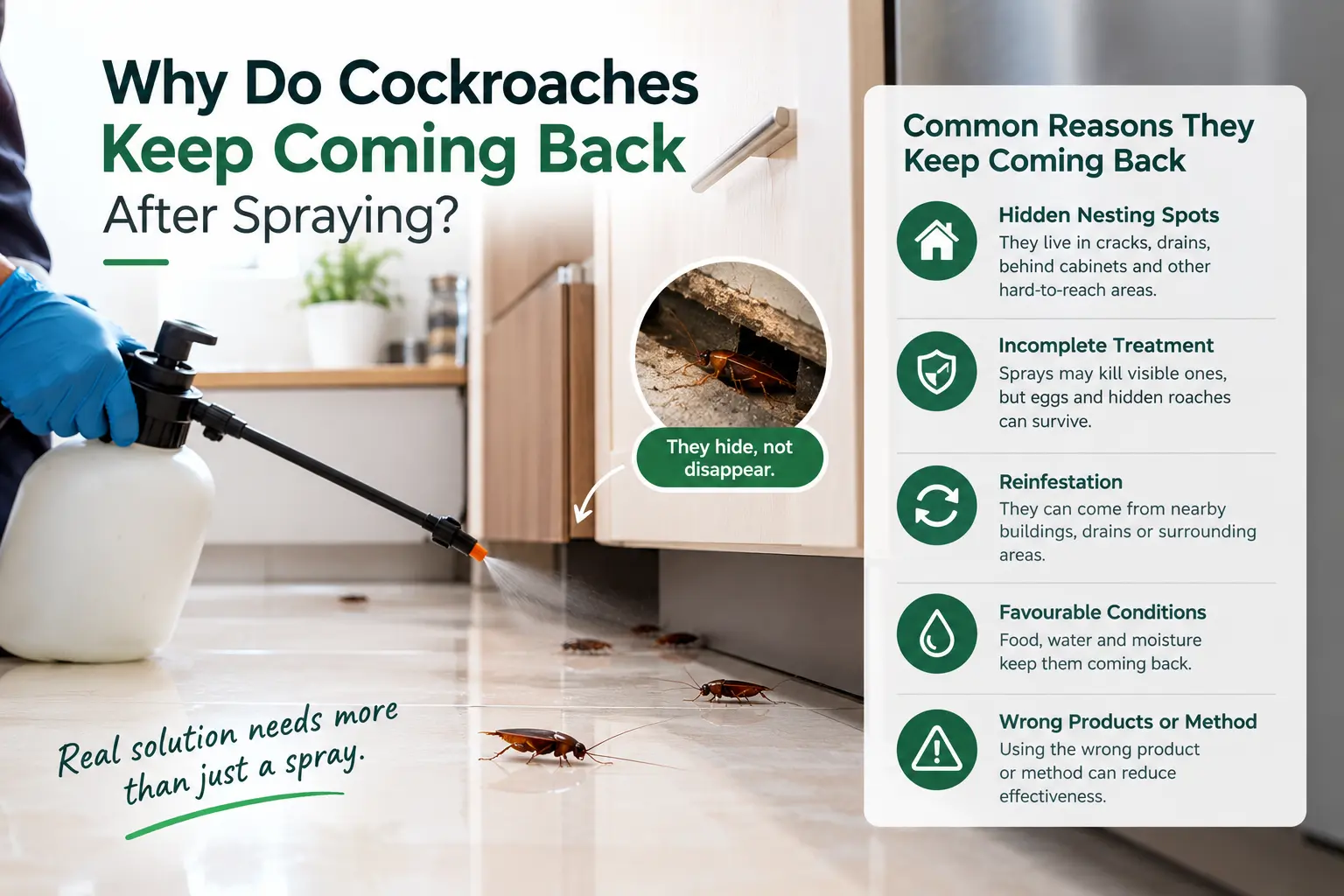
Cockroaches are one of the biggest indoor allergen sources. Their droppings, saliva, and shed skin contain proteins that become airborne as they dry out and break apart. These particles are a well-known trigger for allergies and asthma, especially in children. A heavy cockroach infestation can noticeably reduce indoor air quality, even in a space that looks clean on the surface.
Rodents
Rats and mice shed fur, leave droppings, and release urine that dries and turns into fine dust. This dust can carry bacteria and allergens that circulate through ventilation systems and settle on surfaces. Rodent infestations are also linked to musty odors that signal deeper hygiene issues.
Termites
Termites don't just damage wood; they contribute to air quality problems too. As they tunnel through wooden structures, they release fine dust and debris. In advanced infestations, this can also point to trapped moisture, which encourages mold growth, another major indoor air pollutant.
Bed Bugs
Bed bugs may not seem like an air quality issue, but their shed skins and waste accumulate in mattresses, carpets, and upholstery. This buildup contributes to dust and allergen levels in bedrooms, where people spend hours breathing the same air every night.
Mosquitoes
While mosquitoes aren't a major direct contributor to air pollution, chemical fogging or improper DIY repellents used to control them can affect indoor air quality if not done correctly. This is one of the reasons professional, controlled treatment methods are safer than random home remedies.
Birds and Their Droppings
Birds nesting in balconies, ventilation shafts, or rooftops leave behind droppings that dry out and release particles into the air. These particles can carry fungal spores and bacteria, posing a real risk, especially in buildings with centralized air systems like offices, hospitals, and hotels.
Health Problems Caused by Pest Infestations
The connection between pests and health goes far beyond a general "ick" factor. Here's what sustained exposure to pest-contaminated air can lead to:
• Allergies – Airborne particles from droppings, skin, and saliva are common allergy triggers, causing sneezing, itchy eyes, and skin reactions.
• Asthma – Cockroach and rodent allergens are recognized asthma triggers, particularly in children and people with existing respiratory conditions.
• Respiratory infections – Dust contaminated with pest waste can irritate airways and, in some cases, contribute to infections.
• Skin irritation – Contact with pest droppings, shed skin, or bites (as with bed bugs) can cause rashes and irritation.
• Bacterial contamination – Pests like rodents and cockroaches carry bacteria on their bodies, which can spread to surfaces and indoor air.
• Food contamination – Pests contaminate stored food, which can lead to gastrointestinal illness if consumed.
• Weakened immune response – Ongoing exposure to allergens and contaminants places extra strain on the immune system over time.
These risks are especially important for sensitive environments, such as hospitals, schools, restaurants, and hotels, where indoor air quality directly affects the wellbeing of children, patients, staff, and guests.
Signs Your Indoor Air Quality May Be Affected by Pests
You don't always need lab tests to know something's wrong. Watch out for these warning signs:
• Persistent musty or foul odors, even after cleaning
• Fine, dust-like particles settling on furniture or floors
• Unexplained increase in allergy or asthma symptoms at home
• Visible droppings near kitchens, storage areas, or corners
• Shredded material, nesting debris, or shed insect skins
• Mold growth in areas with pest activity or hidden moisture
If you're noticing two or more of these signs, it's worth getting a professional inspection rather than waiting for the problem to grow.
Why Kerala Homes Face Higher Pest Risks
Kerala's climate is beautiful, but it's also practically designed to support pest life all year round. A few reasons homes and businesses here are more vulnerable:
• High humidity keeps moisture levels indoors elevated, which pests and mold both thrive on.
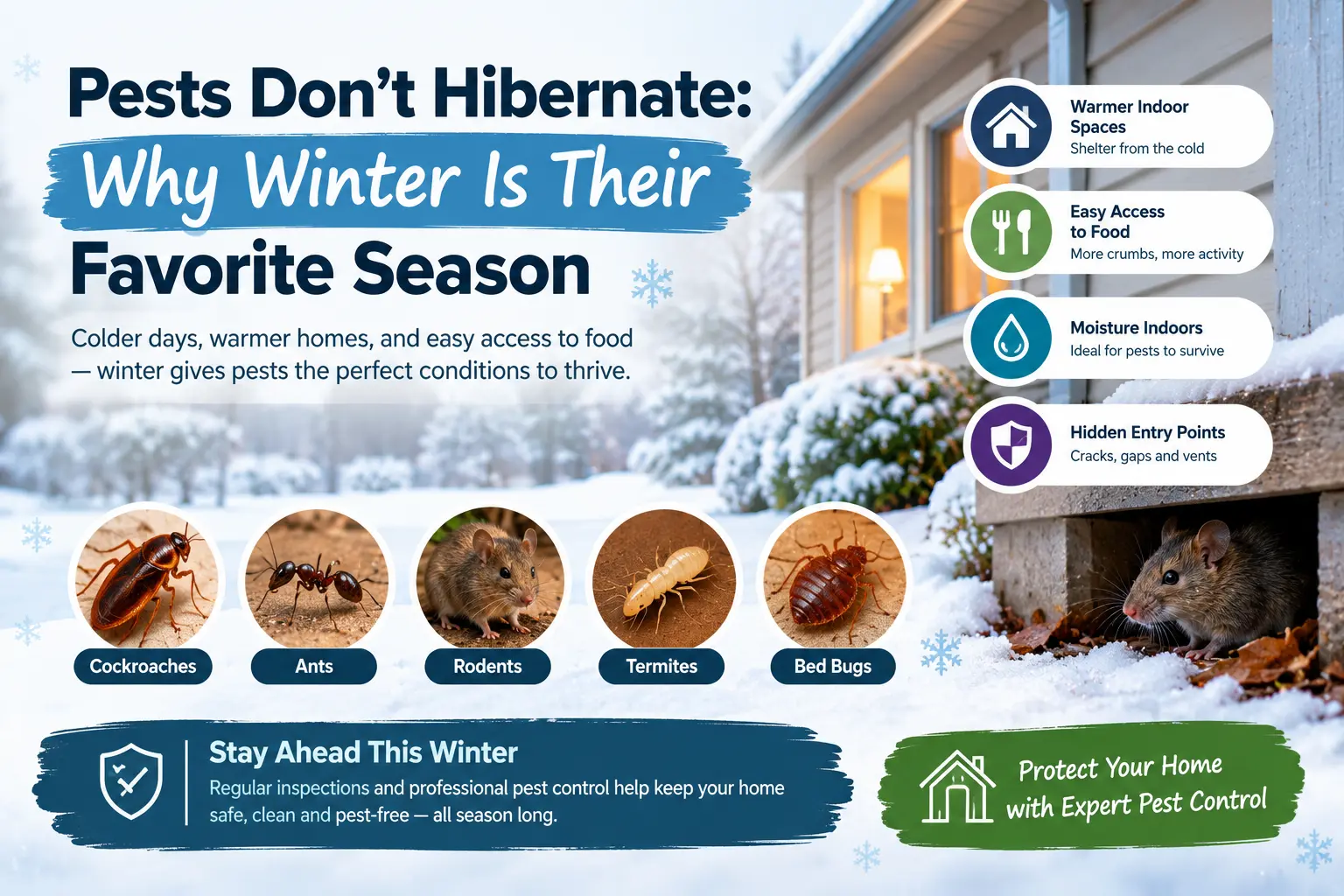
• Monsoon season brings heavy rainfall that pushes pests like cockroaches, rodents, and termites to seek shelter indoors.
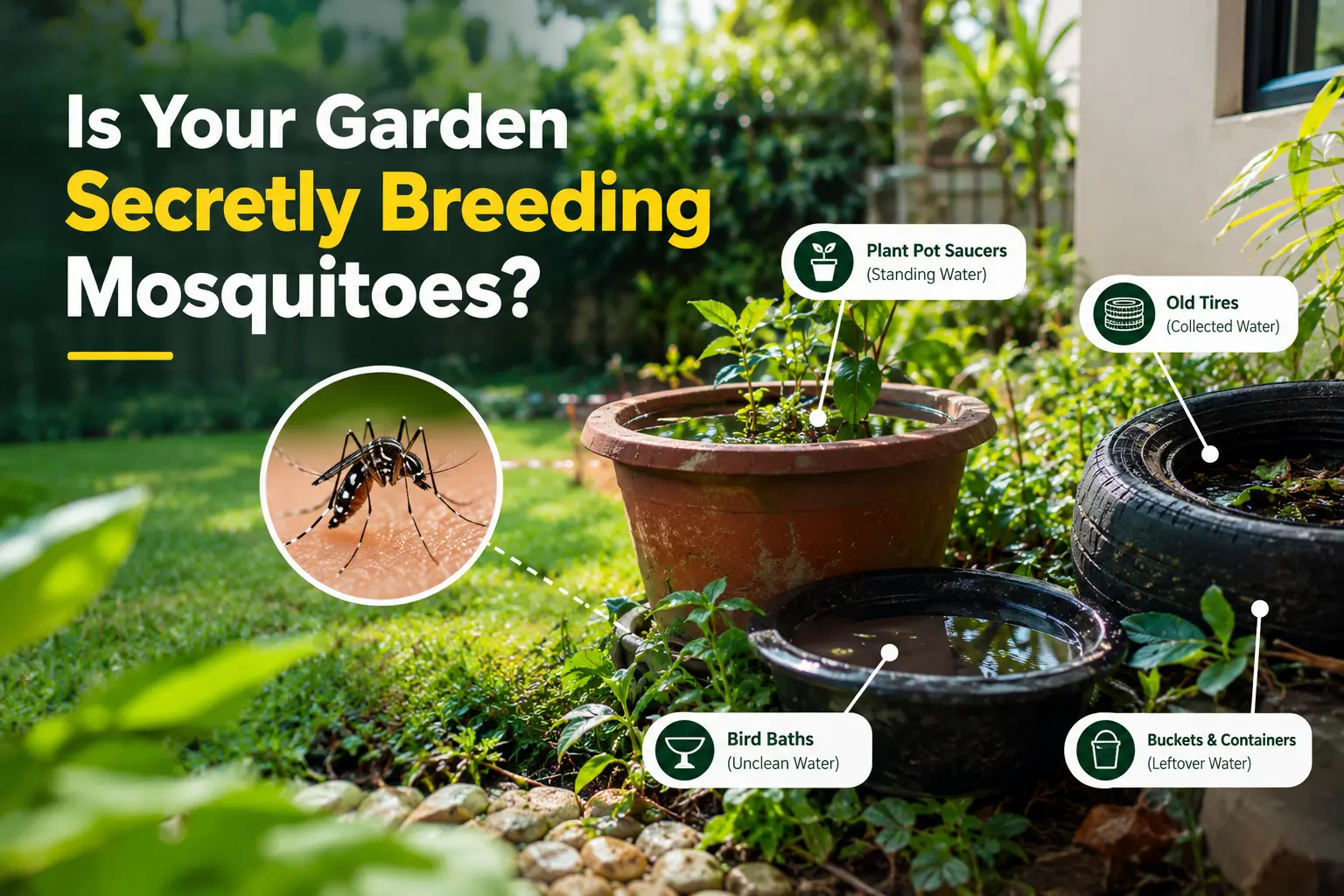
• Waterlogging around homes and buildings creates breeding grounds for mosquitoes.
• Dense vegetation, common in most Kerala neighborhoods, gives pests easy access points close to homes.
• Warm temperatures year-round mean pest breeding cycles rarely slow down, unlike in cooler climates.
This is why routine, professional Pest Control Ernakulam services aren't just reactive treatments; they're a practical necessity for maintaining healthy indoor spaces. Across the state, Pest Control Kerala providers deal with this same climate-driven pattern, which is why consistent prevention matters more here than in many other regions.
How Professional Pest Control Improves Indoor Air Quality
DIY sprays and store-bought traps might offer short-term relief, but they rarely solve the root problem. Professional pest control takes a more thorough approach:
• Complete inspection – Identifying every affected area, not just the visible ones.
• Source identification – Finding where pests are entering, nesting, or breeding.
• Safe pest removal – Using treatment methods appropriate for the pest type and property.
• Sanitization – Cleaning up droppings, nesting material, and contamination left behind.
• Preventive treatments – Applying barriers and treatments that stop pests from returning.
• Long-term monitoring – Scheduling follow-ups to catch new activity early.
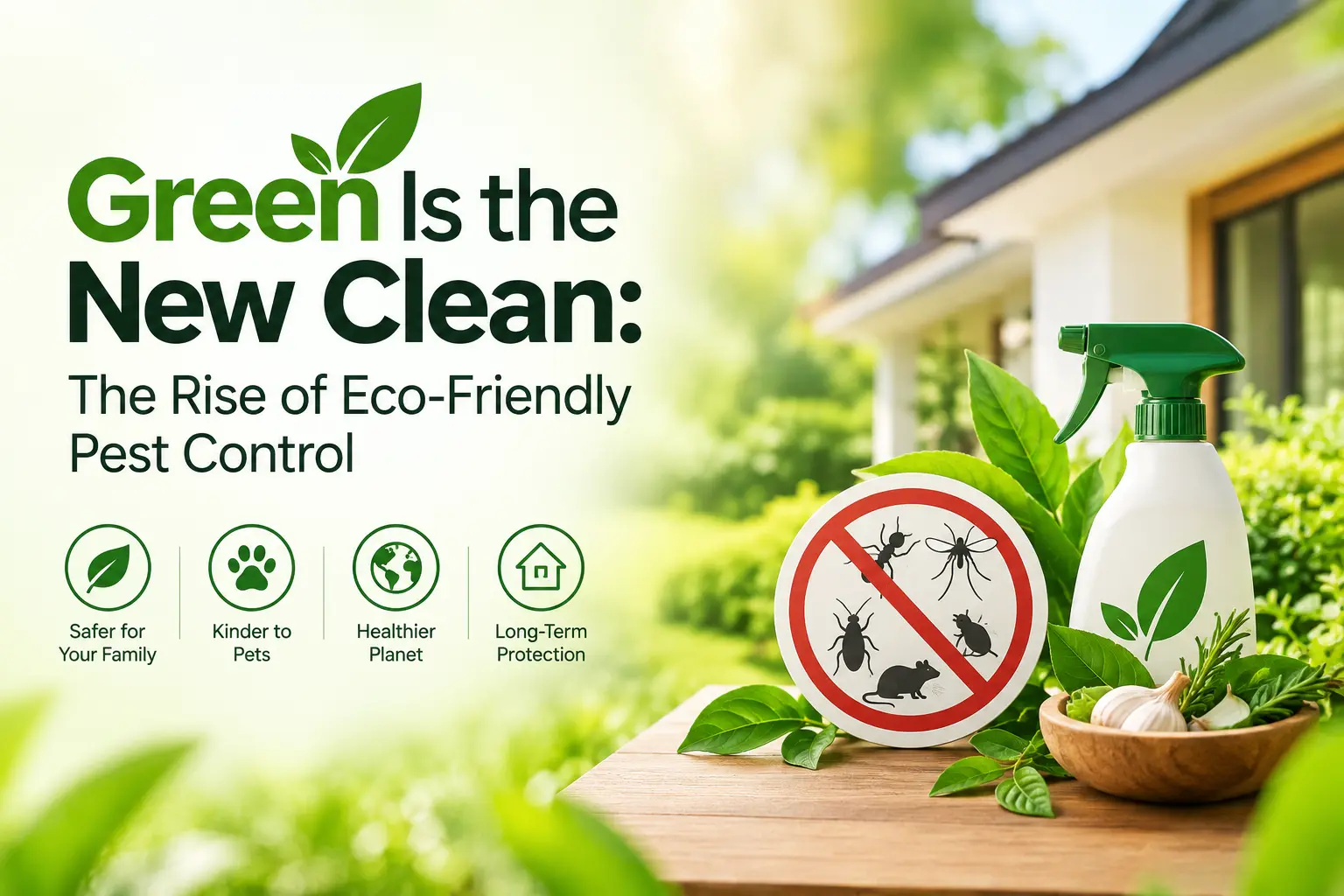
• Eco-friendly treatment options – Using pest control methods that are effective without excessive chemical exposure indoors.
This full-cycle approach is what actually improves indoor air quality, not just eliminating pests you can see, but cleaning up what they leave behind.
Tips to Prevent Indoor Air Pollution Caused by Pests
Prevention is always easier and cheaper than treatment. A few habits that make a real difference:
• Maintain cleanliness — Regularly clean kitchens, storage areas, and hidden corners where pests hide.
• Seal entry points — Close gaps around doors, windows, and pipelines that pests use to get inside.
• Store food properly — Use airtight containers to avoid attracting cockroaches and rodents.
• Dispose of waste regularly — Don't let garbage sit indoors longer than necessary.
• Reduce moisture — Fix leaks and improve ventilation to prevent damp conditions pests love.
• Schedule regular inspections — Catching an infestation early is far easier than dealing with an established one.
Small, consistent habits like these go a long way in keeping both pests and poor air quality out of your space.
Why Choose Professional Pest Control Services
Handling a pest problem on your own can feel manageable at first, but infestations often run deeper than what's visible. Professional pest control services bring:
• Experienced technicians who know how to identify and treat different pest species correctly.
• Safe treatment methods designed to protect residents, employees, or customers.
• Customized pest management based on the property type: home, restaurant, hospital, or office.
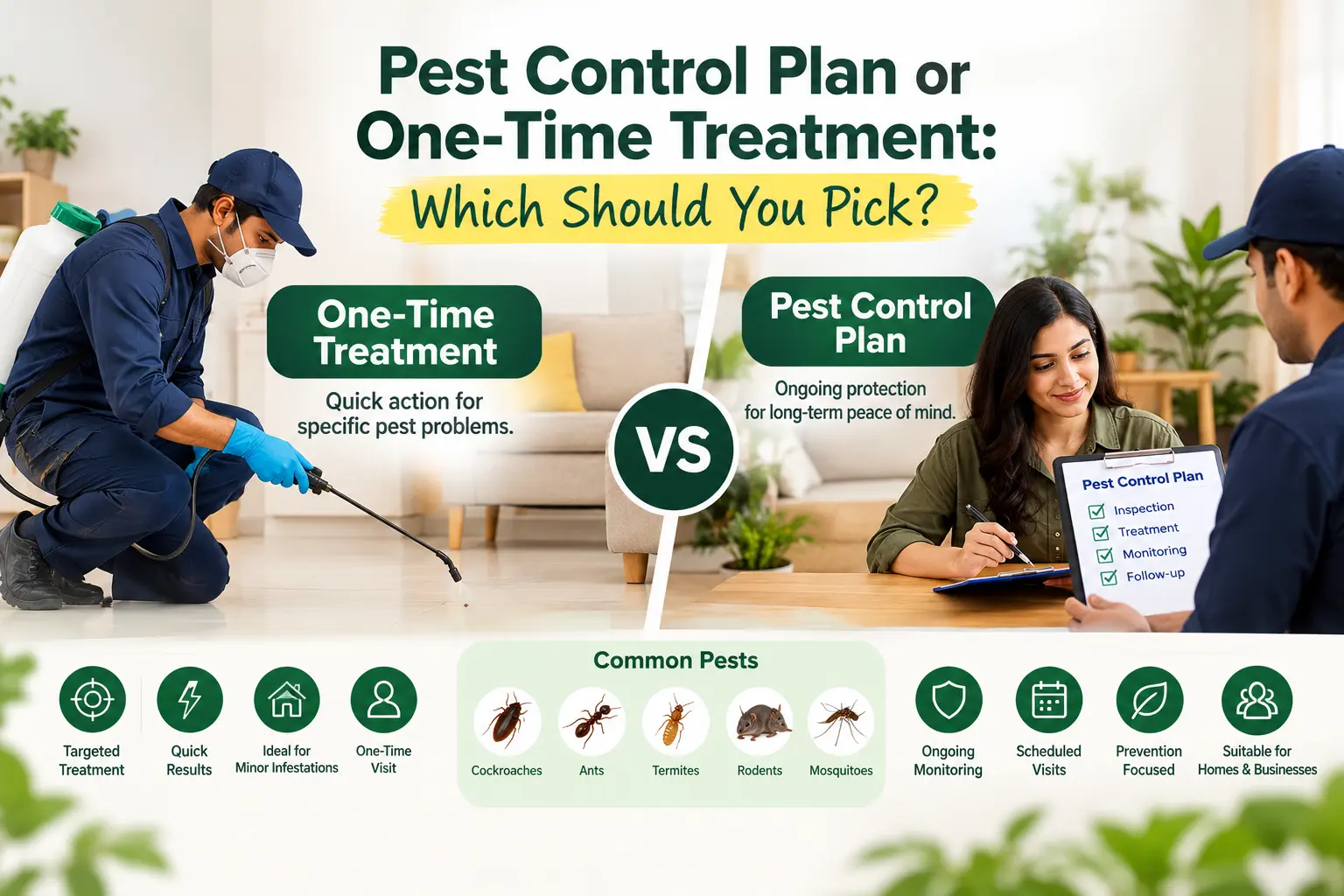
• Long-term protection through preventive plans, not just one-time fixes.
• Improved indoor hygiene as a direct result of thorough treatment and sanitization.
For commercial spaces like restaurants, hotels, and hospitals, professional treatment isn't optional; it's part of maintaining basic safety standards for the people who walk through the door every day.
Conclusion
Pest infestations affect far more than the visible damage they leave behind. From cockroach allergens to rodent dust to mold triggered by hidden moisture, pests can quietly reduce the quality of the air you and your family, employees, or customers breathe daily. Recognizing the early signs and acting on them can prevent allergies, asthma flare-ups, and other health issues down the line.
If you're noticing unusual odors, allergy symptoms, or signs of pest activity in your home or business, don't wait for the problem to grow. Reaching out to a trusted Pest Control Kochi provider, or exploring reliable Pest Control Ernakulam and Pest Control Kerala services, is one of the simplest ways to protect both your property and your health. A pest-free space is, at its core, a healthier space to live and work in, and that starts with regular, professional inspections.