
How to Pest-Proof Your Home for 2026
Introduction
Pest-proofing your home in 2026 means staying ahead of evolving threats like climate-adaptive insects and urban rodents through proactive barriers and habits. Kerala's humid environment amplifies risks, making regular checks essential for health and property integrity. This guide covers practical steps from sealing entry points to natural repellents, with professional insights for lasting protection—ideal for Kochi residents facing monsoon surges.
What Common Pests Thrive in Kochi Homes?
Termites silently damage wooden structures, ants invade kitchens, and cockroaches spread bacteria via humid cracks. Rodents chew wiring, while mosquitoes carry diseases in standing water. Early detection via sticky traps reveals hotspots before infestations grow.
Understanding local patterns guides targeted defenses.
How to Seal Entry Points Around Your Home?
Inspect doors, windows, and vents for gaps over 1/4 inch—caulk or weatherstrip immediately. Install door sweeps and fine mesh screens (20x20 weave). Foundation cracks need silicone sealant; roofs require tile overlaps checked annually.
These barriers block 90% of crawling invaders without chemicals.
Why Maintain Outdoor Areas for Pest Prevention?
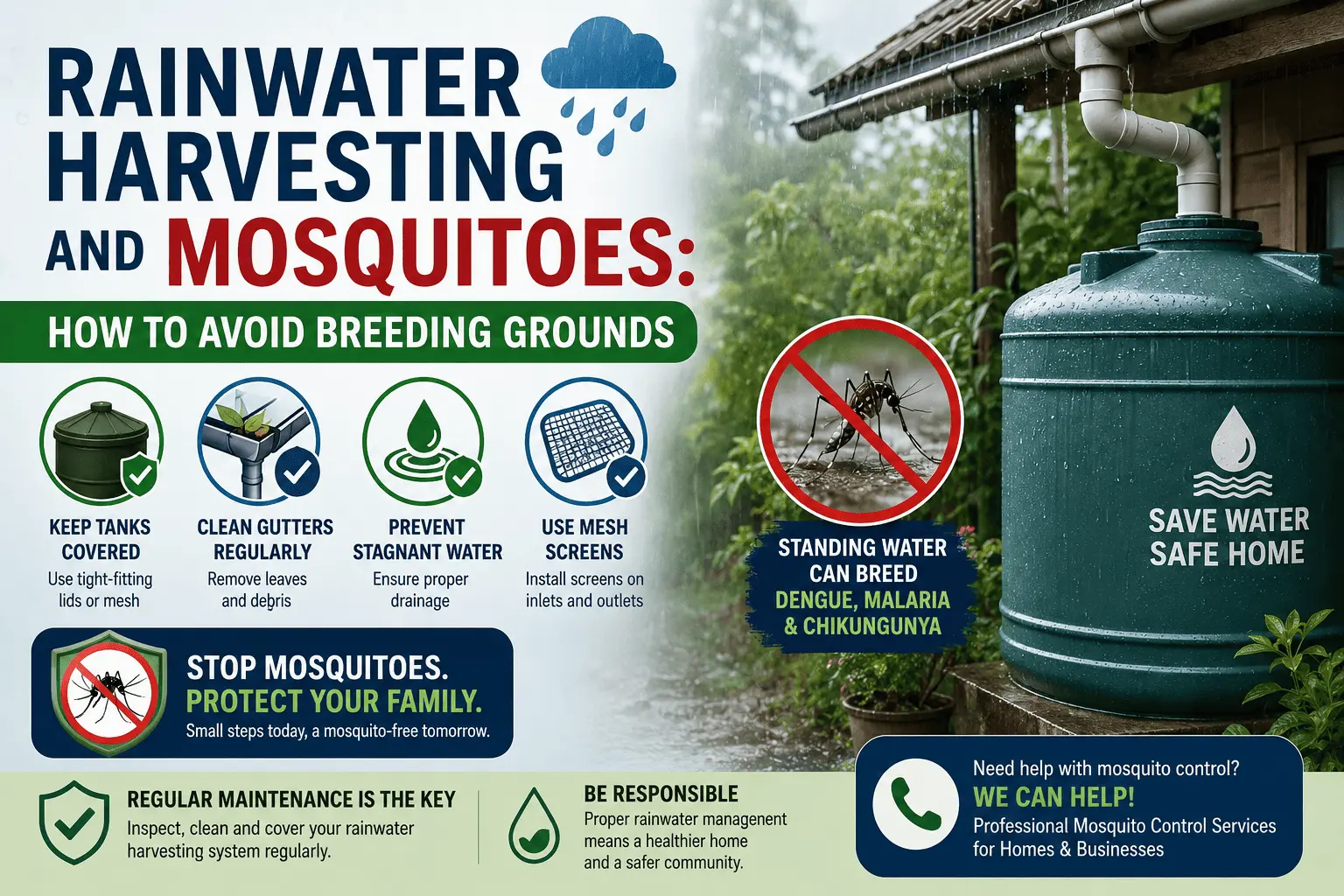
Trim vegetation 18 inches from walls; clear leaf litter weekly. Gravel borders deter burrowing. Eliminate standing water in pots or gutters—mosquito dunks provide biological control.
Landscaped yards reduce harborage by 70%.
- Prevention Area Action Steps Expected Impact
- Perimeter Seal cracks, add gravel Blocks ants/termites
- Gutters/Drains Clear debris monthly Cuts mosquitoes 80%
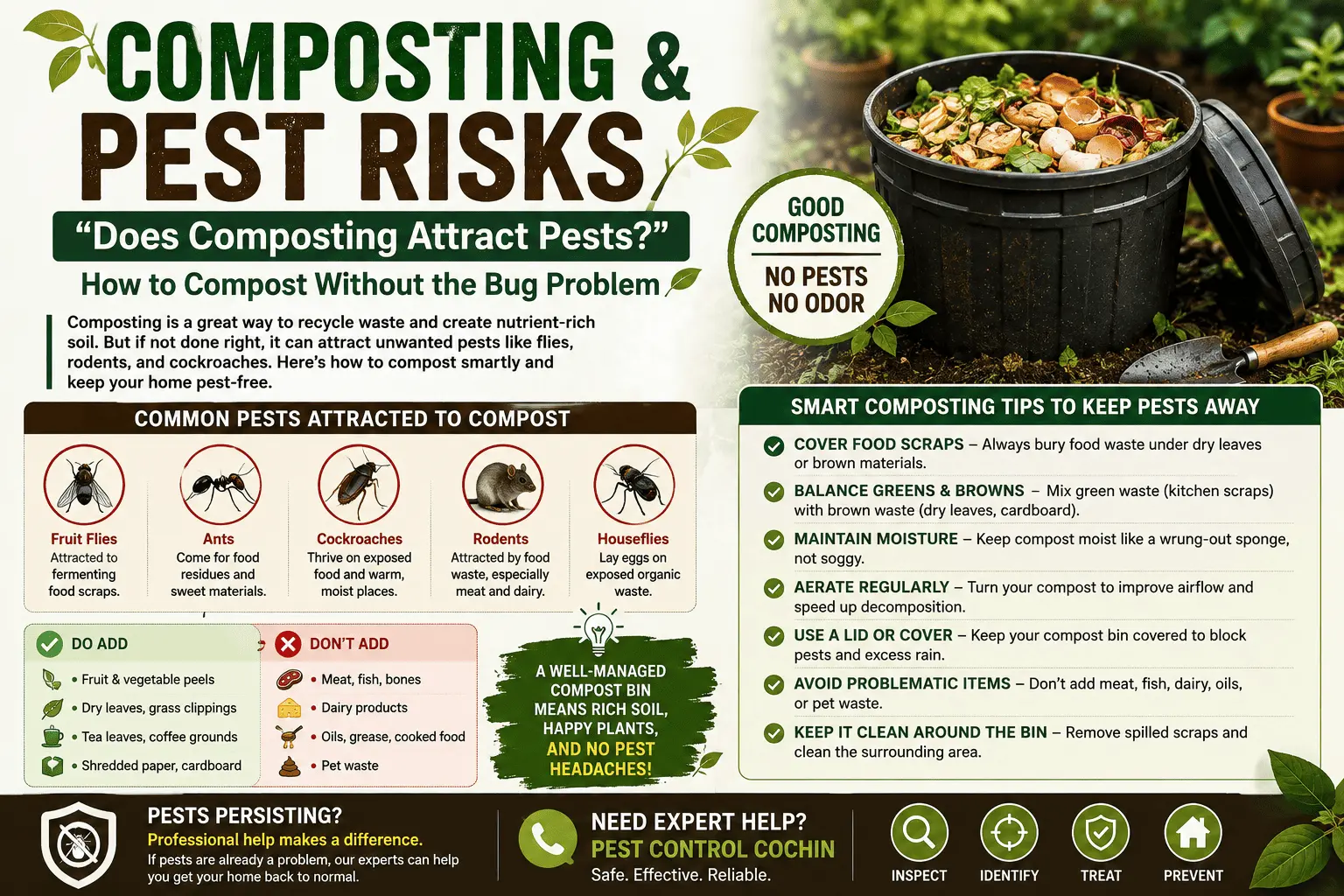
- Yard Waste Compost away from house Reduces rodents
What Kitchen Habits Deter Food-Seeking Pests?
Store grains in airtight glass; wipe counters post-meals. Trash daily with lidded bins; clean pet bowls nightly. Spices like bay leaves or peppermint oil in cabinets repel ants naturally.
Hygiene slashes cockroach attraction dramatically.
How Do Natural Repellents Work Effectively?
Neem oil sprays disrupt insect hormones; diatomaceous earth dehydrates crawlers on shelves. Essential oils (eucalyptus, tea tree) create scent barriers at thresholds. Rotate applications to prevent resistance.
Cost-effective and eco-safe for families.
Boric acid baits: Slow-kill roaches.
Cedar blocks: Moth deterrent in closets.
Vinegar wipes: Ant trail erasers.
When Should You Inspect for Termite Activity?
Annually before monsoons—tap wood for hollow sounds, probe mud tubes along foundations. Swarmers signal colonies; frass (sawdust) indicates drywood types. Professional tools like moisture meters confirm risks.
Early intervention saves thousands in repairs.
What Storage Solutions Prevent Rodent Access?
Elevate boxes 18 inches off floors; use metal bins for feed. Ultrasonic repellers supplement gaps. Garage sweeps remove nests quarterly.
Combined methods yield rodent-free zones.
How to Pest-Proof Electrical and Plumbing Areas?
Secure pipes with copper mesh; vent fans outward. Conduit seals block wiring entry. Dripping faucets invite silverfish—fix promptly.
Hidden zones often harbor silent invasions.
Why Integrate Smart Tech for 2026 Pest Monitoring?
Motion-sensor cameras detect activity; IoT traps log catches via apps. Humidity sensors alert to breeding conditions. Data trends inform pro scheduling.
Tech elevates prevention precision.
What Role Do Pets Play in Natural Pest Control?
Cats deter rodents instinctively; certain breeds hunt. Non-toxic baits safe around animals. Train dogs to alert on scents.
Companions add vigilant layers.
How Often Should You Deep Clean for Pest Risks?
Monthly vacuum cracks with HEPA filters; steam mop tiles quarterly. Attic/crawlspace blows remove dust harboring mites. Post-rain declutters prevent mold-attracting bugs.
Routine maintains sterile environments.
When Is Professional Help from Pest Control Service in Kochi Essential?
For colonies beyond DIY—persistent sightings, structural damage, or health risks signal experts. Eco-baiting and heat treatments target nests humanely. Quarterly services prevent reinfestation in high-risk areas.
Pest control service in Kochi handles tropical challenges effectively.
What Seasonal Strategies Work Best in Kerala?
Pre-monsoon: Bait stations for termites. Winter: Rodent-proofing. Summer: Mosquito nets and fans. Track via calendar apps.
Adaptation beats surges.
- Season Priority Pests Key Actions
- Monsoon Mosquitoes, ants Drain water, screens
- Winter Rodents Seal storage
- Summer Cockroaches Dehumidify
How to Choose Safe Pest Products for Families?
Opt for EPA-registered, low-toxicity gels over sprays. Bait stations contain actives. Read labels for pet/kid safety; ventilate post-use.
Minimize exposure smartly.
Why Document Pest Activity for Long-Term Success?
Photo logs track patterns; apps log treatments. Share with pros for customized plans. Trends reveal root causes like leaks.
Data drives eradication.
What Future-Proof Methods Prepare for 2026?
Biotech lures confuse pheromones; robotic vacuums with UV sterilize. Climate-resilient plants border properties. Community watches share alerts.
Innovation sustains defenses.
Conclusion
Pest-proofing for 2026 combines sealing, hygiene, and vigilance for Kochi homes resilient to local threats. Natural methods empower daily control, while pros via pest control service in Kochi tackle entrenched issues. Implement these steps for a safer, healthier living space—start inspections today.