How Effective Are Solar-Powered Pest Traps Compared to Chemical Sprays in Small Farms?
Introduction
To small farmers, pest control is not a technical problem it is simply a survival matter. One pest attack can eradicate months of work, lower crop, and put farmers in a frenzied state of financial difficulties. Historically, the most widely used pest control tool has been chemical sprays. They are quick acting and are prevalent. There have however been great concerns regarding the health and soil fertility and environmental destruction because of over use of chemicals.
There have been innovations such as the Day-Night Solar Insect Trap which was developed in the year 2011 in Ludhana by ICAR-CIPHET which has offered farmers ecologically friendly alternatives. These are solar energy-powered pest traps, which are a viable solution to minimizing the use of pesticides and contain the pest population. But what is their comparison to chemical sprays on the small farms? Let’s take a closer look.
The Long-term Reliance on Chemical Sprays.
The use of chemical pesticides was widespread in the 20th century due to the swift outcomes. Farmers with caterpillars, borers or aphids had to spray their fields and pests were knocked down in a matter of hours. This appeared the ideal solution to the small farmers who have minimal error margin.
Benefits of Chemical Sprays
- Immediate pest kill.
- Facile availability in the domestic markets.
- Large variety of products to various crops and pests.
- However, such immediate gains have a high cost in the long-term.
- Disadvantages of Chemical Sprays.
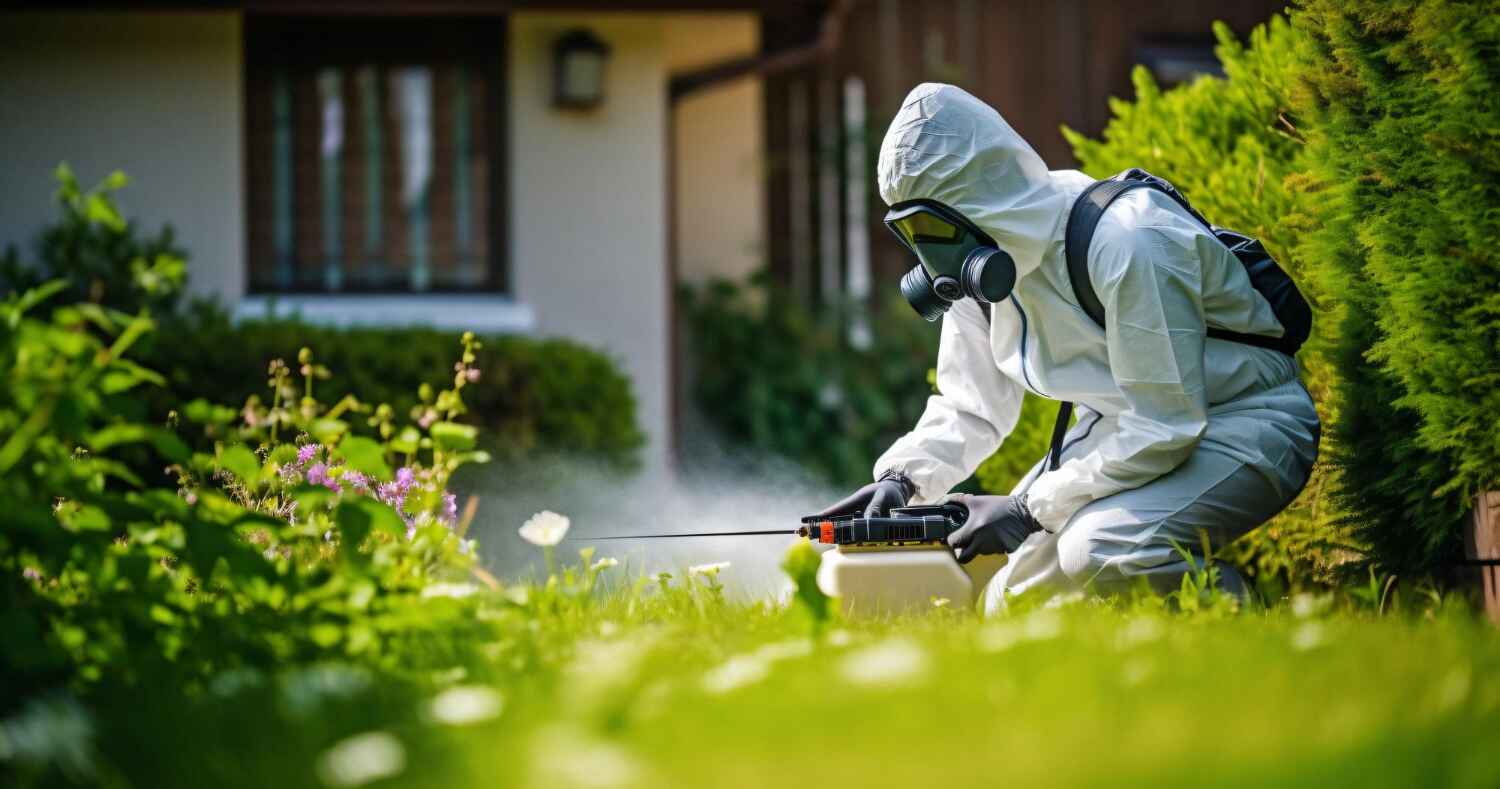
Health Hazards: Farmers usually spray without protective gear and this exposes them to respiratory illness, skin irritation, and long-term health effects. There is also pesticide residues in food that consumers endure.
Damage to the Environment: Chemical leakage and water pollution, destruction of useful insects, such as bees, and disruption of soil health.
Pest Resistance: With time, pests develop a resistance to some chemicals that compel the farmer to increase the dosages, or seek new products.
Economic Burden: Repeat spraying in a growing season may turn out to be costly to small farmers.
Evidently, although chemical sprays are a quick cure, they cannot be relied upon in the long run.
The Emergence of Solar-powered Pest Traps.
There are solar powered pest traps that aim at attracting insects without the use of chemicals. They take advantage of solar panels to accumulate power on the daytime and supply light sources at night. The pests are lured by these lights and funnels, sticky pads, or containers are used to trap them.
Benefits of Solar Pest Traps
Environmentally-Clean: No toxins on crops or soil.
Cost-Effective: One time investment with little recurrent expenses.
Safety of Farmers: No danger of breathing or touching chemicals.
Specific Control: Insects that are harmful are reduced, and those that are beneficial are spared.
In the case of small farms such benefits can be translated into healthy produce, lower costs and enhanced long term soil fertility.
Day-Night Solar Insect Trap by ICAR-CIPHET.
One of the innovations is the Day-Night Solar Insect Trap that was designed in ICAR-CIPHET, Ludhana. This model operates during both the day and night as opposed to the traditional traps that only work at night, hence 24 hour protection.
Key Features
Dual Operation: Visual cue in day time and light attraction in the night.
Friendly-Farmer: It can be installed easily, and it does not need a lot of maintenance.
Affordable: It targets small farmers, which makes it affordable.
Demonstrated Success: Tests have revealed high levels of pest reduction in crops such as rice, cotton and vegetables.
Farmers who embraced this trap had fewer cases of pest outbreaks and also used fewer expensive sprays.
The Solar Traps versus the Chemical Sprays.
Effectiveness
Chemical Sprays: Kill fast but the pests rebound or become resistant.
Solar Traps: Work in the long term to reduce the population of pests.
Cost
Chemical Sprays: This one needs to be bought over again and it involves some labor.
Solar Traps: Long-term savings, one time investment.
Health & Safety
Chemical Sprays: Threat to the health of the farmer and consumers.
Solar Traps: Totally safe, not toxic.
Environmental Impact
Chemical Sprays: Poisonous remains, pollution, loss of biodiversity.
Solar Traps: Green, save the natural balance.
Contribution of Pest Exterminators Kochi in Sustainable Pest Control.
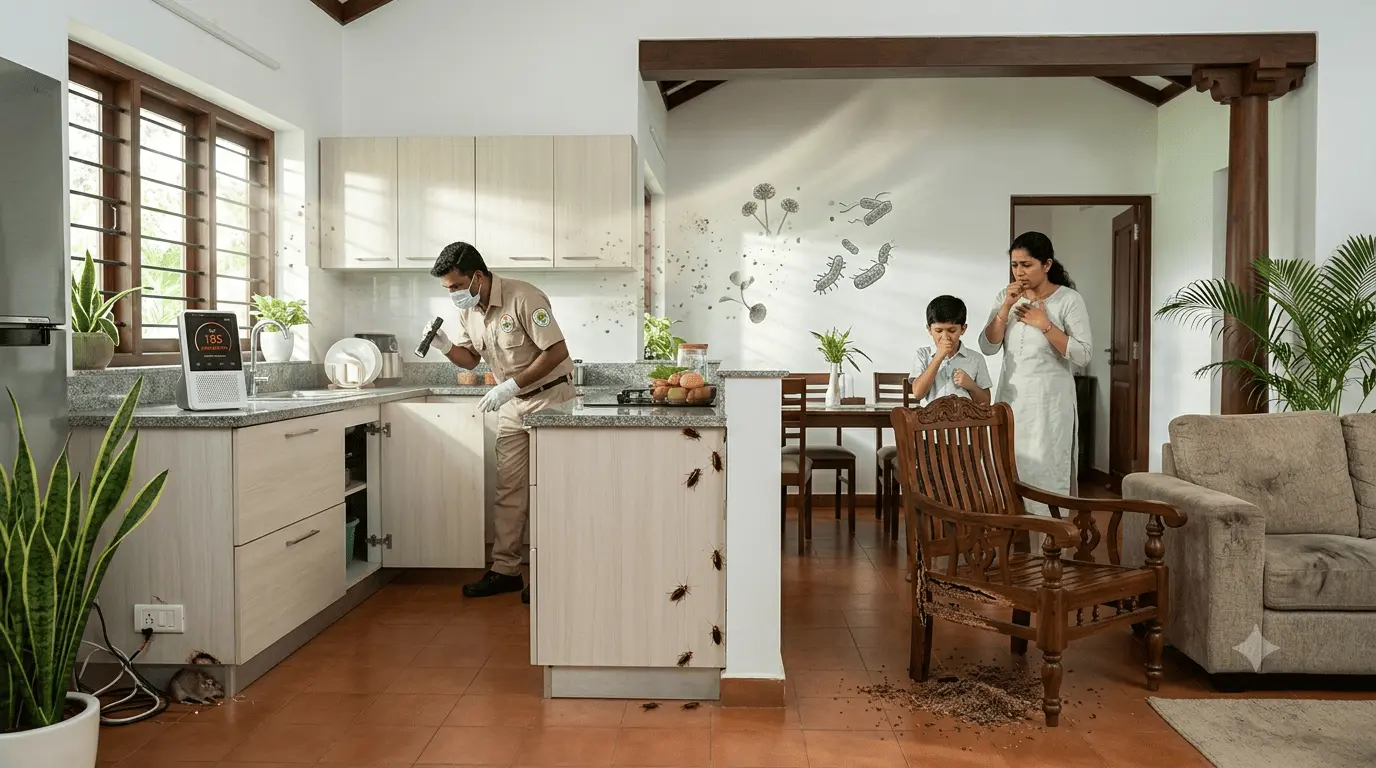
Although solar-powered traps are best suited to the farms, the urban and peri-urban areas require sustainable pest management. It is here where the services of Pest Exterminators Kochi come in. They introduce the newest technology together with greener methods to end up with a good control of pests without damaging nature.
Pest Exterminators Kochi assists communities to use safer methods of pest management by encouraging the use of solar pest traps, pheromone lures, and biological control. Their strategy decreases the level of chemical addiction and creates consciousness regarding the ecological health in the long-term.
In the case of small-scale farmers, the collaboration with such experts as Pest Exterminators Kochi guarantees that the process of pest management is efficient as well as consistent with sustainable production in agriculture. Professionals from this field often work in coordination with Pest Control Kochi service providers to make sure that rural and urban areas benefit equally from eco-friendly solutions.
The Difficulties in Solar Pest Traps.
Although solar-powered traps have some benefits, there are some obstacles to them:
Initial Cost: It is cheap over a long run, but very small farmers might have to incur high costs at the start.
Maintenance: There is a need to have them cleaned regularly to ensure they are effective.
Coverage Area: Each trap only covers a small radius and therefore bigger farms might require more than one unit.
These challenges can be addressed with guidance from agencies like Pest Control Kochi, which promotes both awareness and support for sustainable pest management solutions.
Conclusion
The issue of pest control in small farms is a trade-off between short-term and long-term sustainability. Although effective in the short run, chemical sprays introduce health risks, pollution, and increased expenses to the environment. Conversely, solar-powered pest traps particularly developments such as the Day-Night Solar Insect Trap of ICAR-CIPHET are safer and more environmentally-friendly as well as less expensive, in regards to small farmers.
The transition to the solar pest traps does not imply that other practices should be entirely excluded but to a more comprehensive course. Pest management practices will with the help of expert assistance of Pest Exterminators Kochi be safe, sustainable and future oriented by which farmers and urban communities can embrace pest control practices.
A decreased reliance on chemicals and adoption of renewable energy options will allow small farms to insure their crops, keep their health, and make the environment clean. With integrated guidance from experts in Pest Control Kochi, this shift becomes more achievable and practical. Whether or not solar pest traps are working (it is no longer a question) is the same as how soon we can integrate them into more comprehensive use.
By combining the innovation of solar pest traps with the field expertise of Pest Control Kochi, farmers can protect yields, ensure food safety, and safeguard ecological balance for generations ahead.