Why Restaurants in Kochi Need Regular Pest Control Inspections
Indroduction
It's 11 pm, and the last order has just gone out. The kitchen staff at a busy Kochi restaurant are wiping down counters, mopping the floor, and bagging up the day's waste. Everything looks spotless. And yet, behind the refrigerator that nobody moves during daily cleaning, a few cockroaches are already settling in for the night.
This is more common than most restaurant owners in Kochi would like to admit. The city's warm, humid climate, its long monsoon season, and the sheer volume of food and waste that a commercial kitchen generates create ideal conditions for pests even in kitchens that are cleaned every single day. Visible cleanliness and pest-free premises are not always the same thing.
That's really the case for regular pest control inspections. Not because something has gone wrong, but precisely so that nothing does.
Why Do Restaurants in Kochi Need Regular Pest Control Inspections?
Restaurants in Kochi need regular pest control inspections because the city's humidity, monsoon rainfall, and constant food handling create conditions where pests can thrive even in clean kitchens. Inspections catch hidden activity behind equipment, in drains, and inside storage areas early before it affects food safety, customer trust, or the restaurant's interiors.
1. Why Kochi Restaurants Face Higher Pest Risks
Kochi's climate works against restaurant owners in a way that drier, cooler cities don't have to deal with. The combination of coastal humidity and heavy monsoon rain from June through September means moisture is almost never fully absent from a commercial kitchen, no matter how well it's maintained.
A few local realities make this worse:
- Kitchen floors and drainage channels stay damp for hours after cleaning, especially during the rains
- Grease traps and grease build-up around stoves and exhaust hoods attract pests looking for both food and warmth
- Storage rooms with rice, spices, and dry goods offer a steady food source if packaging isn't airtight
- Older buildings in areas like Fort Kochi, Mattancherry, or the narrower lanes around MG Road often have small cracks, gaps under doors, or utility openings that go unnoticed for years
- Waste collection points near the kitchen back entrance, common in most commercial establishments here, become a magnet for flies and rodents if not managed carefully
None of this is a reflection of poor hygiene practices. It's simply what running a food business in this particular climate and geography involves.
2. Why Cleanliness Alone Does Not Always Prevent Pests
Daily cleaning keeps a kitchen looking and smelling the way it should, and it genuinely does reduce pest attraction. But cleaning routines are built around visible, reachable surfaces countertops, floors, sinks, and equipment fronts.
Pests, on the other hand, tend to settle in places nobody's mop reaches:
- Behind and underneath heavy refrigerators and freezers
- Inside wall cavities or false ceilings
- Along pipe entry points under sinks
- Inside drain traps and grease interceptors
- Behind wooden shelving units in storage rooms
A kitchen can pass every visual hygiene check and still have a cockroach colony building up behind a walk-in cooler. This is exactly the gap that a proper pest inspection is designed to close it looks where daily cleaning simply can't.
3. Common Pests Found Around Restaurants
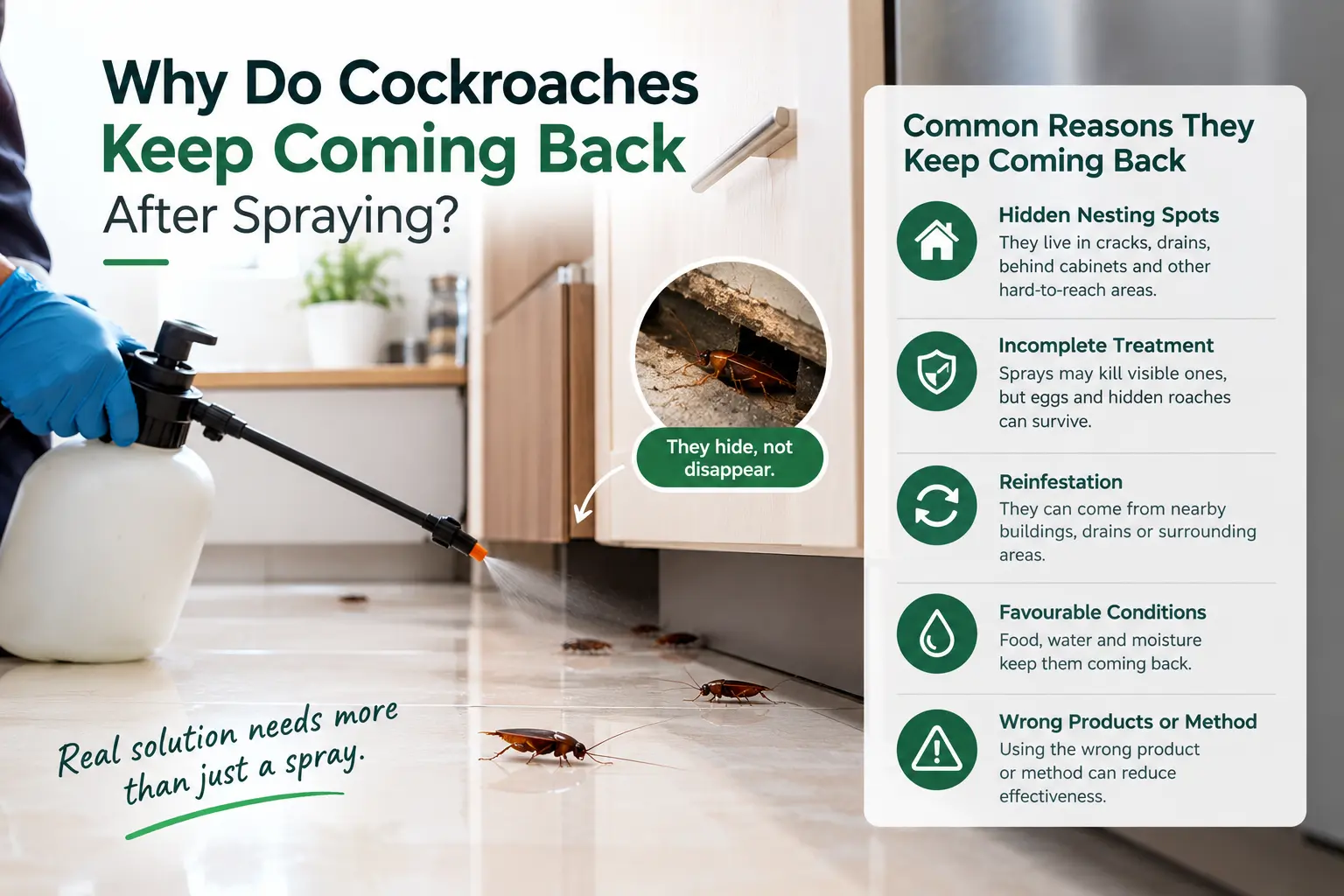
Cockroaches are the most frequent complaint from Kochi kitchens. They're drawn to warmth, moisture, and food residue, and they hide in cracks near ovens, behind appliances, and inside cardboard boxes. Droppings resembling coffee grounds or a musty smell near equipment are early warning signs.
Rodents go after stored grains, packaged food, and even electrical wiring. Gnaw marks on packaging, small droppings near storage shelves, or scratching sounds in false ceilings usually mean rodents have already found a way in.
Flies breed rapidly around waste bins, drains, and any standing organic matter. A sudden increase in flies near the waste disposal area, especially after rain, is a sign the area needs closer attention.
Ants are attracted to sugar, spilled syrups, and crumbs. They're often the first pest people notice because trails form quickly and visibly along counters or floor edges.
Termites are quieter and far easier to miss. They target wooden furniture, door frames, and false ceilings, and by the time damage is visible, they've usually been active for months.
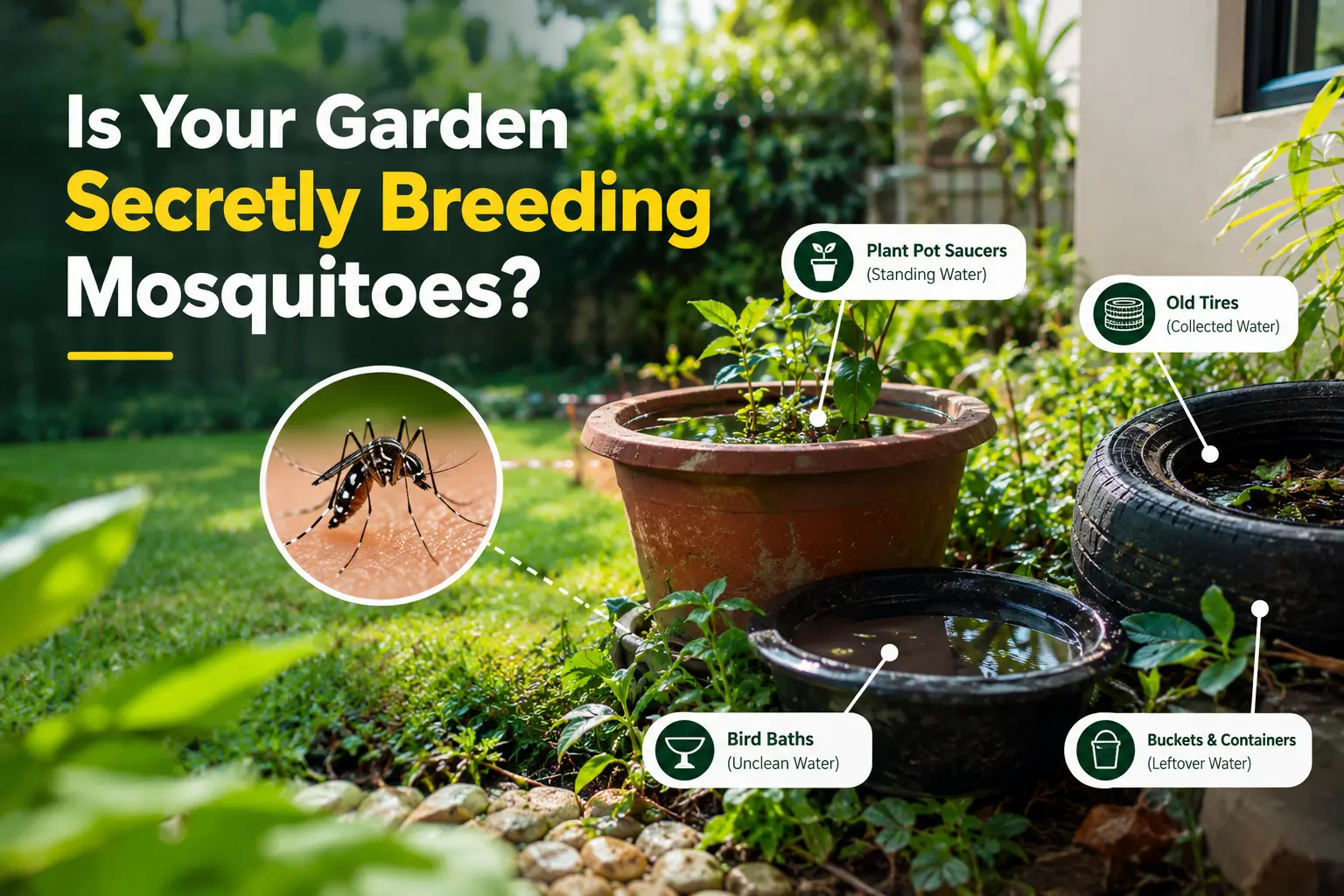
Mosquitoes breed in any stagnant water a blocked drain, a neglected water container near the back entrance, or waterlogging during monsoon season- all common scenarios around Kochi properties.
4. Why Regular Pest Control Inspections Matter
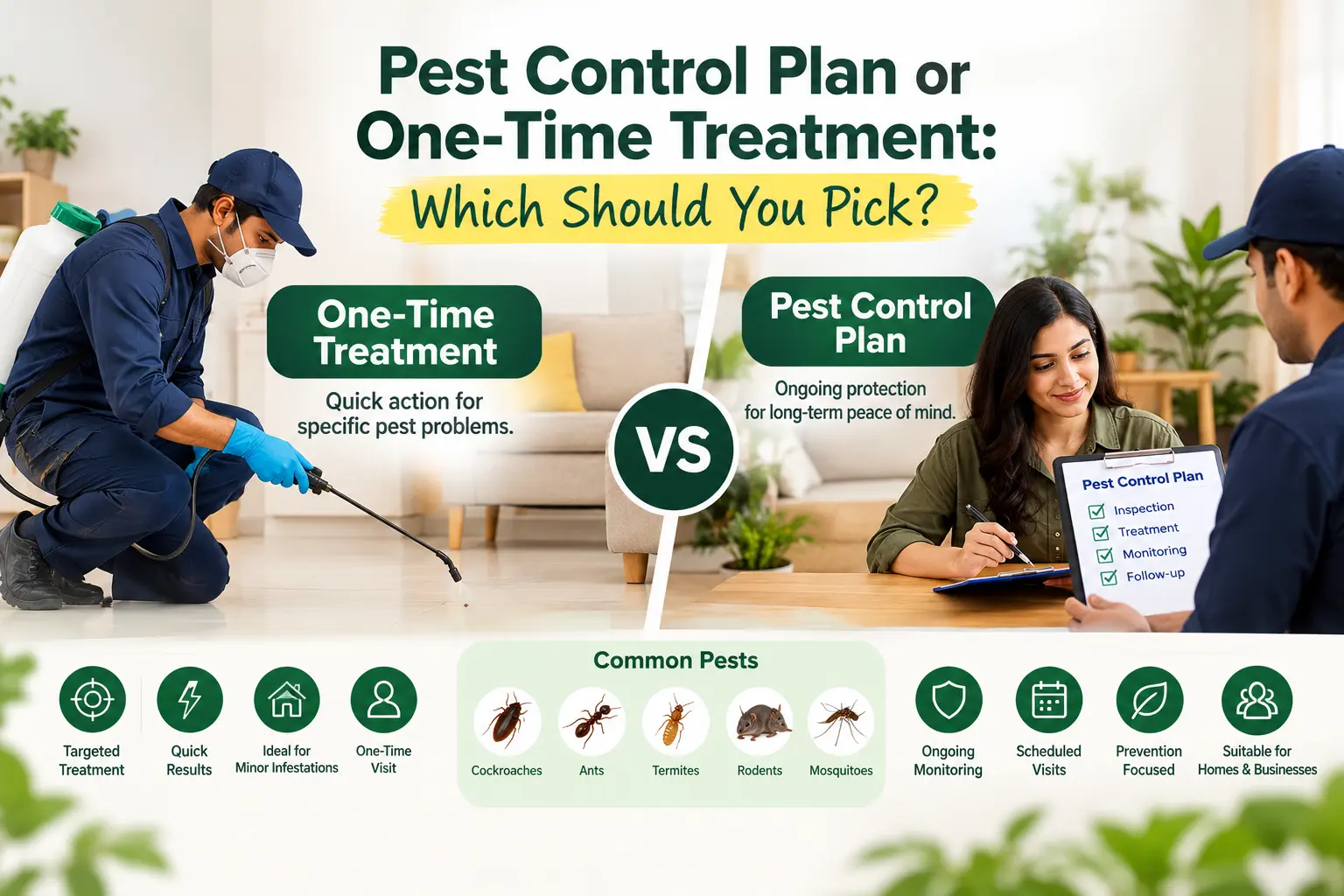
A one-time pest treatment solves a problem that already exists. A scheduled inspection routine is what stops that problem from forming in the first place. That difference matters more than it might seem.
Regular inspections help restaurant owners with:
- Early detection — catching small pest activity before it becomes a full infestation
- Finding hidden points — identifying nesting or breeding spots that daily staff wouldn't check
- Locating entry routes — pinpointing the cracks, gaps, or drain openings pests are using to get in
- Reducing contamination risk — protecting stored food, prep surfaces, and packaging
- Protecting equipment and interiors — pests can damage wiring, insulation, and wooden fittings
- Avoiding costlier problems later — early fixes are almost always cheaper than large-scale treatment
- Maintaining consistent hygiene standards — useful during internal audits or health inspections
- Protecting customer confidence — a single visible pest sighting can undo months of good reviews
This is the core value of commercial pest control for a restaurant; it's less about reacting to a problem and more about staying ahead of one.
5. Termites: A Hidden Risk for Restaurants
Termites don't get talked about as often as cockroaches or rodents in restaurant pest discussions, but they can quietly cause some of the most expensive damage. Many restaurants and cafés in Kochi use wooden furniture, decorative panelling, wooden door frames, or false ceiling structures all of which termites can target over time.
The tricky part is that termite damage isn't always obvious until it's advanced. Hollow-sounding wood, sagging cabinet doors, or fine mud tubes along walls or skirting boards are usually the first visible clues, and by then the termites have often been active for a while.
This is why many established food businesses in the city now build a termite control service in Kochi into their annual maintenance routine, rather than waiting for wooden fittings to show visible damage. It's a small, practical step considering how much restaurants invest in interiors and furniture. Pairing regular termite checks with general pest inspections tends to be more cost-effective than treating each issue separately after the fact.
6. How Monsoon Can Increase Pest Activity in Kochi
Kochi's monsoon changes pest behaviour in fairly predictable ways. Heavy rain often pushes termites, ants, and even rodents to move indoors or upward, seeking dry ground and shelter. Waterlogged compounds, common in low-lying parts of the city, create breeding conditions for mosquitoes almost overnight.
Inside the kitchen, persistent humidity slows down the drying of floors, walls, and storage areas, which gives pests more time to settle in undisturbed corners. Drainage systems that work fine in dry months can back up during heavy rain, leaving damp patches near kitchen exits or waste areas that wouldn't normally be a concern.
None of this means every restaurant will face a pest problem every monsoon. But it does mean the risk window widens, which is exactly why many pest control professionals recommend an inspection either just before or early into the rainy season.
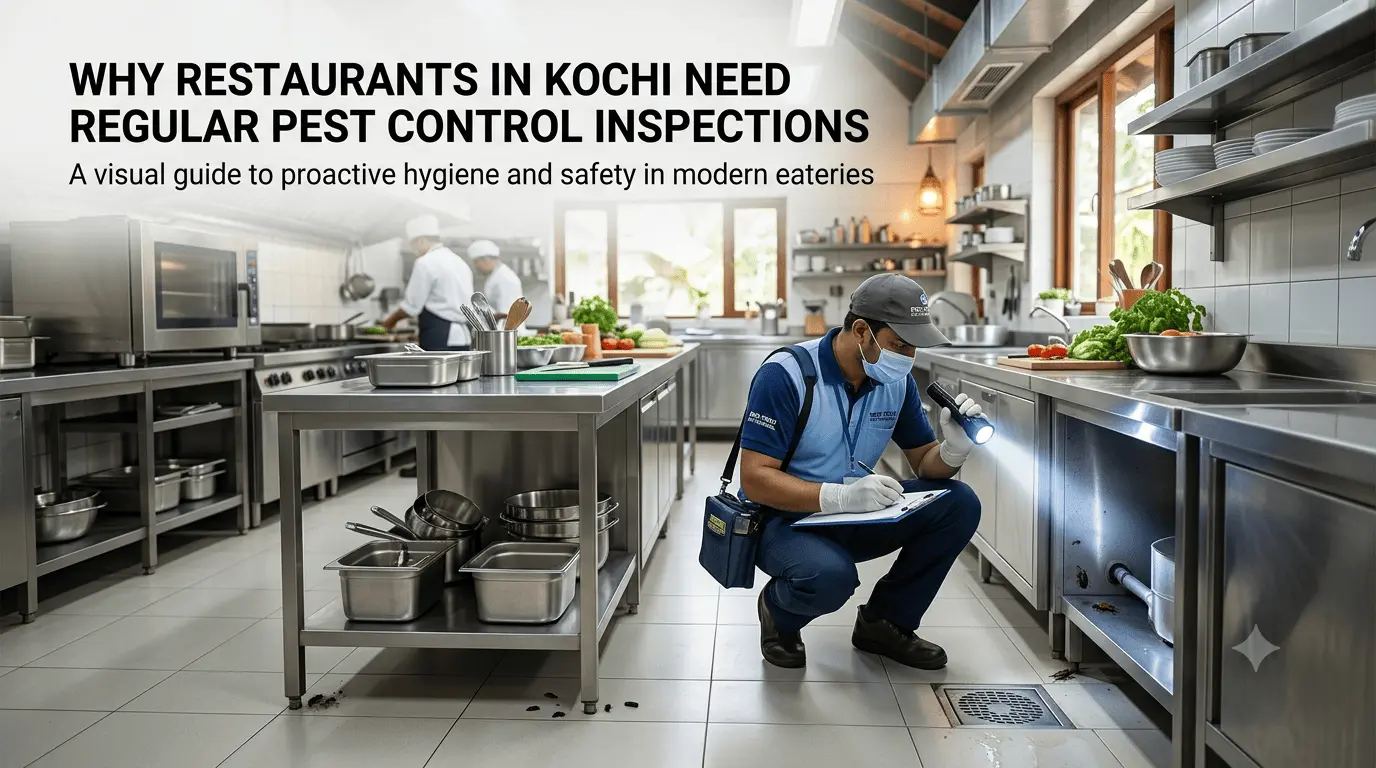
7. What a Professional Restaurant Pest Inspection Should Check
A thorough pest inspection generally covers:
- Kitchen and cooking areas, including behind and under equipment
- Food storage rooms and dry goods shelving
- Drains, plumbing points, and grease traps
- Waste disposal and bin storage areas
- Dining areas, including seating, skirting, and under-table zones
- Outdoor surroundings, entry points, and compound walls
- Wall and floor cracks or gaps
- Doors, windows, and their seals
- Wooden structures, furniture, and false ceilings
- Spaces around and beneath large equipment
- Any consistently moisture-prone areas
8. How Often Should Restaurants Schedule Pest Inspections?
There isn't a single frequency that fits every restaurant. A large hotel kitchen with heavy daily food turnover has different needs than a small café with limited storage. Factors that affect the right schedule include:
- The size and layout of the kitchen
- Any history of past pest issues
- Location: ground-floor units near drains or waste areas often need closer attention
- How food is stored and how waste is managed
- Seasonal factors, particularly the run-up to monsoon
Many restaurants in Kochi work with their pest control provider to set a schedule based on these specifics, rather than applying a generic timeline that may not suit their particular setup.
9. What Restaurant Owners Can Do Between Professional Inspections
Professional visits matter, but daily habits carry a lot of the weight too. A few practices go a long way:
- Keep all food containers sealed, including dry goods and spices
- Wipe up spills as soon as they happen, especially sugary or oily ones
- Remove kitchen waste regularly rather than letting it accumulate overnight
- Keep drains clear and clean on a routine basis
- Fix water leaks promptly, even small drips under sinks
- Check storage areas periodically for signs of pest activity
- Seal visible cracks and gaps in walls, floors, or around pipework
- Keep the areas around refrigerators and heavy equipment clean and accessible
- Watch for droppings, damaged packaging, discarded wings, or egg cases, and note anything unusual
These steps don't replace professional pest management, but they do reduce how much work is needed when the professionals arrive.
10. When Should a Restaurant Call a Pest Control Professional?
Some signs shouldn't wait for the next scheduled visit:
- Repeated cockroach sightings, especially during daylight hours
- Rodent droppings or gnaw marks near storage
- Damaged food packaging with no clear cause
- Mud tubes along walls or skirting a common termite indicator
- Discarded insect wings near windows or light fixtures
- Persistent unusual odours in storage or waste areas
- Flies clustering around waste bins despite regular cleaning
- Any pest activity that continues despite normal cleaning routines
If any of these show up, it's worth calling in a professional rather than waiting it out.
Conclusion
Running a restaurant, café, or cloud kitchen in Kochi means working with a climate that naturally favours pests, whether it's the humidity, the monsoon, or the sheer amount of food moving through the space every day. Treating pest control as a routine part of property and hygiene management, rather than something to think about only after a problem is visible, tends to save both money and reputation in the long run. A little consistency here goes further than most owners expect.
Frequently Asked Questions
How often should a restaurant in Kochi have a pest inspection?
It depends on the kitchen's size, layout, past pest history, and how food and waste are managed. Many restaurants schedule inspections a few times a year, with an extra check before monsoon. A pest control provider can help set a schedule based on the specific property.
Why are cockroaches common in restaurant kitchens?
Cockroaches are drawn to warmth, moisture, and easy access to food and grease. Restaurant kitchens naturally offer all three, especially around cooking equipment, storage shelves, and drains, which is why they're one of the most frequently reported pests in commercial kitchens.
Can termites damage restaurant interiors?
Yes. Termites can affect wooden furniture, door frames, cabinets, and false ceilings over time. The damage often isn't visible until it's fairly advanced, which is why regular checks, including a termite control service in Kochi as part of routine maintenance, are worth considering.
Does monsoon increase pest problems in Kochi restaurants?
Monsoon rain and rising humidity can push pests like termites, ants, and rodents to seek shelter indoors, and can also create breeding conditions for mosquitoes in waterlogged areas. This doesn't guarantee an infestation, but it does widen the risk window for most restaurants.
What should restaurant owners do after noticing signs of pests?
It's best to document what was seen droppings, damage, wings, or unusual smells and contact a pest control professional promptly rather than waiting to see if it resolves on its own. Early action generally means a smaller, less disruptive treatment process.