Top 10 Pest Problems
Kerala Homeowners Face During the Rainy Season
Your complete monsoon pest guide — from Pest Control Solution in Cochin, Ernakulam experts
Introduction: Monsoon Season in Kerala: Beautiful but Dangerous for Your Home
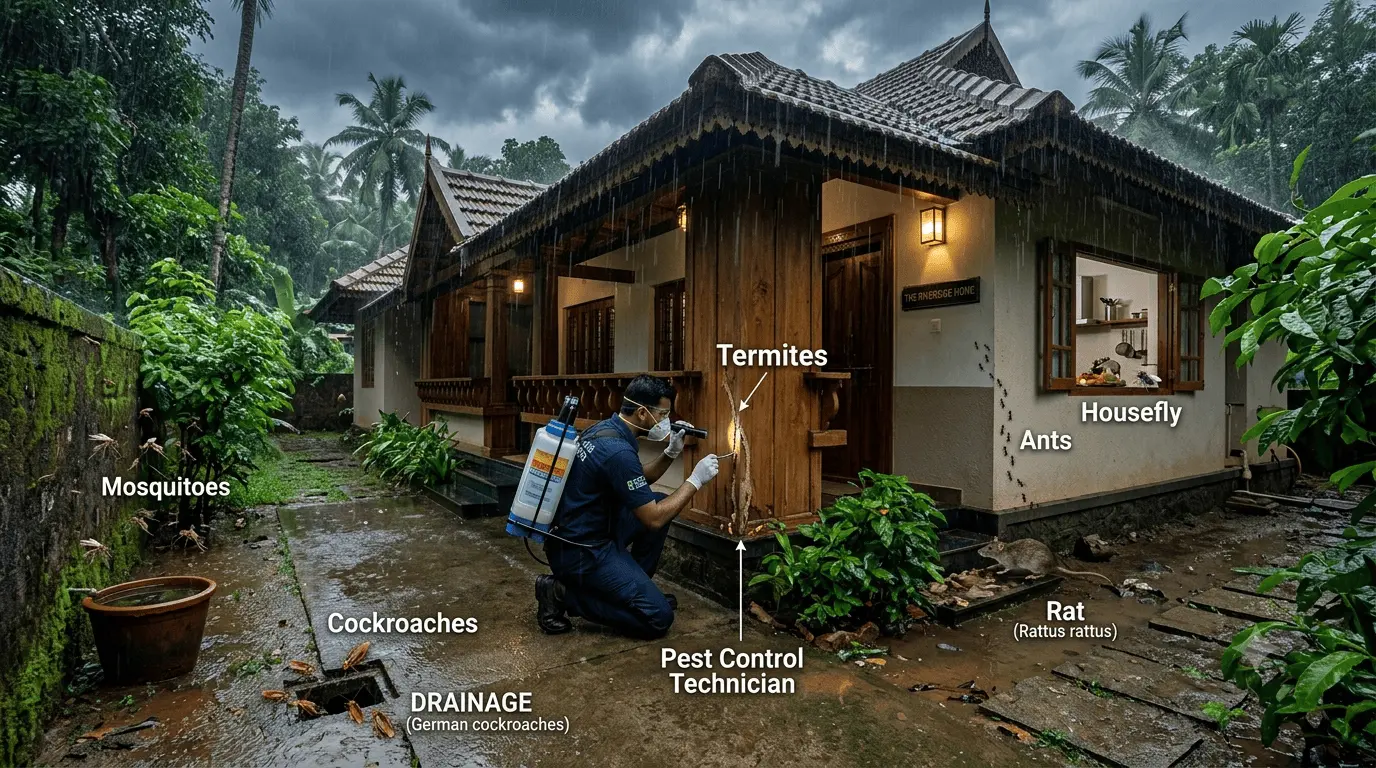
Kerala's rainy season is one of nature's most spectacular events. Between June and November, the southwest monsoon delivers over 3,000 mm of rainfall across the state, transforming landscapes, filling reservoirs, and cooling the air after a sweltering summer. But for homeowners in Kochi, Ernakulam, and across Kerala, the monsoon brings something less welcome alongside the rains: a dramatic surge in pest activity.
High humidity, standing water, damp walls, and waterlogged gardens create ideal conditions for insects, rodents, and other pests to breed, migrate, and invade homes in search of food and shelter. Health risks rise sharply, from dengue and leptospirosis to food contamination and structural damage that can compromise your property for years.
Understanding which pests are most active during the rainy season and what to do about them is essential knowledge for every homeowner and apartment resident in the region. And when prevention alone is not enough, a trusted Pest Control Solution in Cochin, Ernakulam makes all the difference between a miserable monsoon and a safe, pest-free home.
Why Rainy Season Increases Pest Infestations in Kerala
The monsoon does not simply bring rain; it fundamentally changes the environment in ways that directly benefit most pest species. Here is why Kerala's rainy season is a high-risk period for every property:
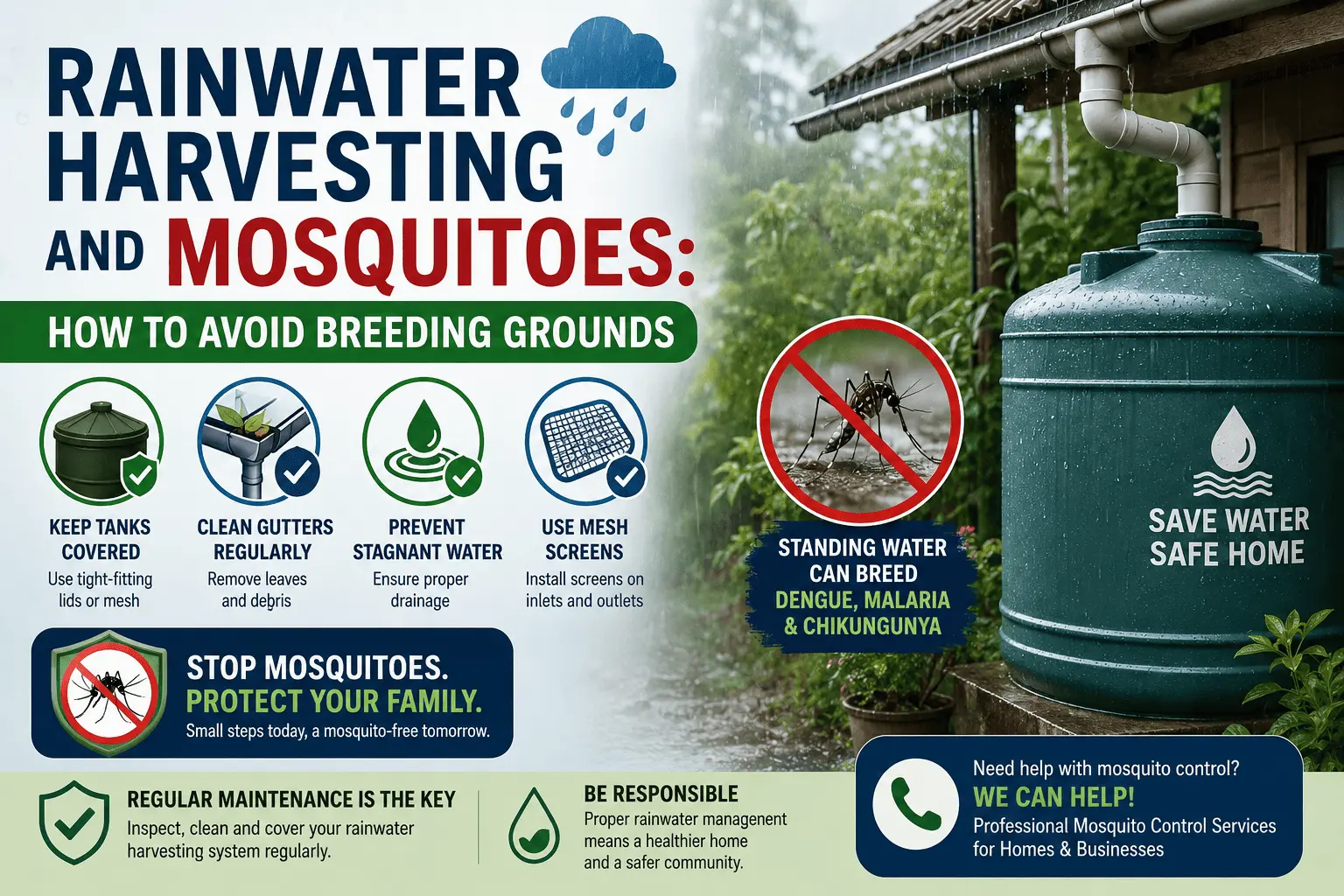
• Standing water accumulates in containers, gutters, construction sites, and low-lying areas, creating ideal mosquito breeding grounds within 48 hours
• Damp walls and waterlogged soil drive moisture-loving pests like termites, silverfish, and cockroaches deeper into structures
• Flooded drains and sewers displace rodents from their outdoor habitats, pushing them into homes and food storage areas
• High humidity accelerates the reproductive cycle of most insect species. A cockroach population can double in size in just a few weeks under monsoon conditions
• Soft, damp wood and weakened plaster become easier for termites and carpenter ants to penetrate
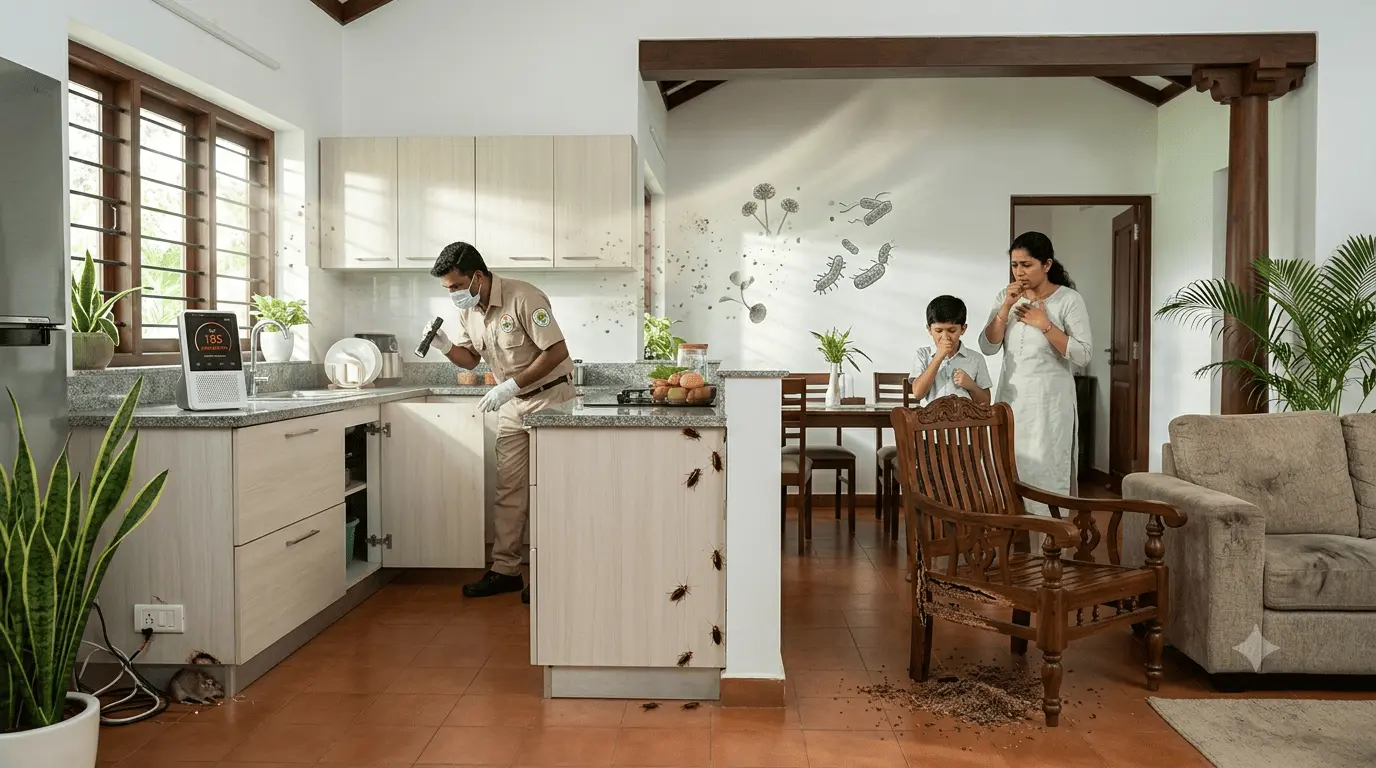
• Food contamination risk increases when pests enter kitchens, spreading bacteria, including Salmonella, E. coli, and Leptospira
Key Insight
Studies by India's National Vector Borne Disease Control Programme show that dengue and chikungunya cases in Kerala spike within 3 to 4 weeks of the monsoon's onset, precisely the time it takes for Aedes mosquito larvae to complete their development cycle in newly formed water collections.
Top 10 Pest Problems Kerala Homeowners Face During Rainy Season
Mosquito Infestation
Mosquitoes are the most dangerous rainy season pest in Kerala, responsible for dengue, chikungunya, and malaria, all of which see significant case spikes every monsoon. The Aedes aegypti mosquito, which spreads dengue and chikungunya, breeds in clean standing water collections as small as a bottle cap. Even a single missed container on your terrace or in your garden can sustain a breeding population large enough to infect your entire household.
• Dengue cases in Kerala regularly exceed 50,000 per year, the majority occurring between July and November
• Aedes mosquitoes bite primarily during daylight hours. Coils and nighttime repellents provide very limited protection
• Professional Mosquito Control Service includes larvicide treatment of water bodies, residual spraying, and fogging for immediate knockdown
Termite Attacks on Wooden Structures
Monsoon moisture is the single biggest trigger for termite swarming and colony expansion. Subterranean termites are the most destructive species in Kerala. They use the soft, water-saturated soil of the rainy season to extend their tunnel networks rapidly. Wooden doors, window frames, flooring, roof timbers, and furniture are all at heightened risk from June onward.
• Termites can hollow out a wooden beam completely while leaving the surface intact. The damage is invisible until structural failure occurs
• Mud tubes along walls, skirting boards, or foundation pillars are a reliable sign of active termite entry
• A professional Termite Control Solution in Kochi, Kerala, before and after the monsoon provides a chemical barrier that prevents colony establishment
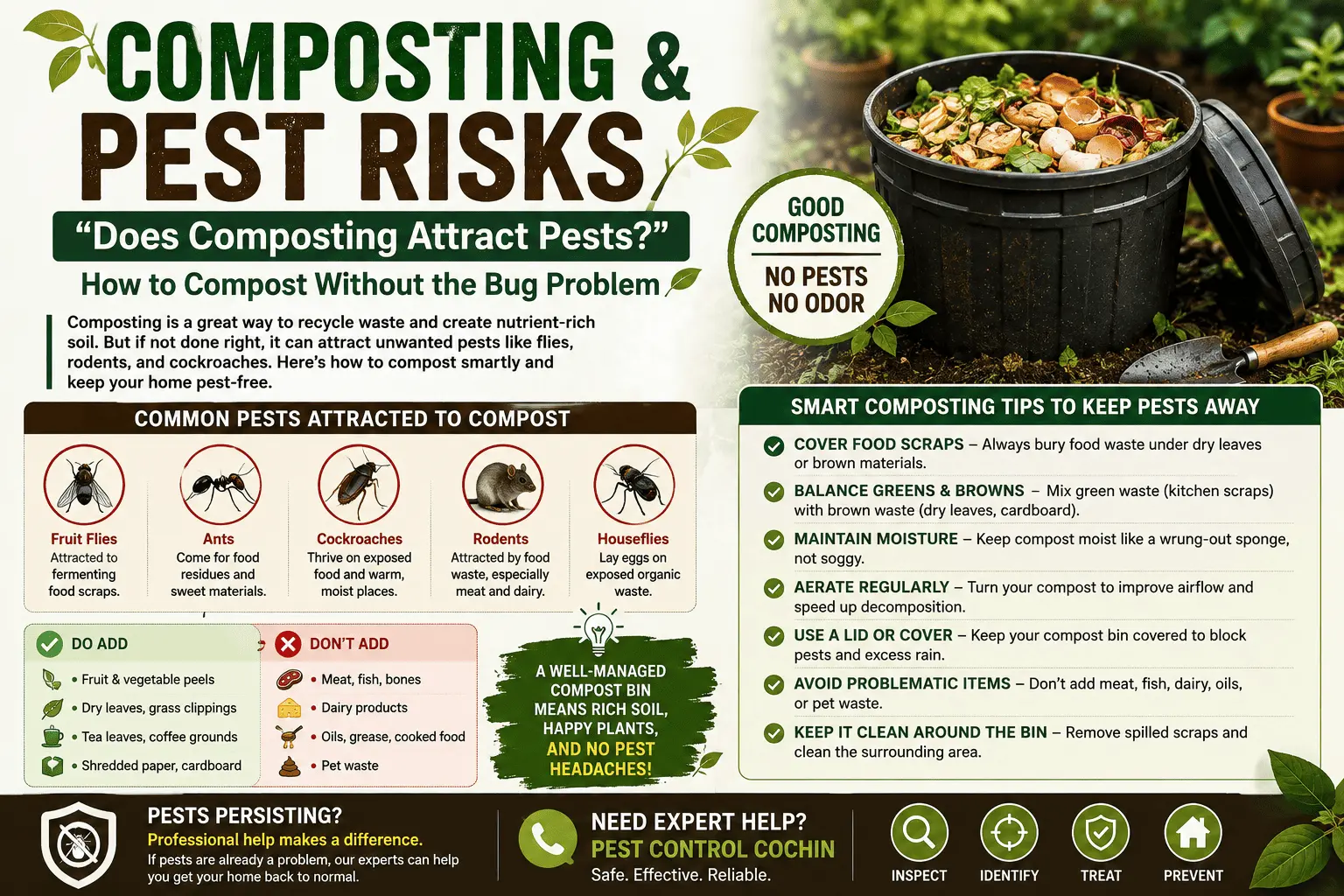
Cockroach Infestation
Kerala's drainage systems, kitchen pipes, and moist sub-floor spaces become extremely active cockroach breeding grounds during the monsoon. German and American cockroaches both thrive in high-humidity environments, reproducing rapidly and spreading dangerous pathogens, including Salmonella, Staphylococcus, and allergens linked to asthma across kitchen surfaces, utensils, and food storage areas.
• A single female German cockroach can produce up to 300 offspring in her lifetime in monsoon conditions, and generations overlap
• Cockroaches emerge at night from behind appliances, under sinks, and from drainage systems
• Cockroach Control Kerala services use gel baiting, crack-and-crevice spraying, and residual treatment to eliminate entire colonies
Rodent Problems
Flooding and waterlogged outdoor areas drive rats and mice out of their natural burrows and directly into homes. Rodents are remarkable survivors; they can squeeze through gaps as small as 20mm, and once inside, they cause damage that extends far beyond the food they contaminate. Electrical wire chewing by rodents is one of the most common causes of monsoon-season house fires in Kerala.
• Rats are primary carriers of leptospirosis, a serious bacterial infection spread through contact with contaminated water or surfaces
• Signs of rodent activity include droppings, gnaw marks on food packaging and wires, and a distinctive musky odour
• Professional Rodent Control Service includes trapping, baiting, and structural proofing to prevent re-entry
5
Ant Colonies
Monsoon rainfall floods underground ant nests, forcing entire colonies to relocate. Kitchen walls, electrical conduits, window frames, and roof voids become new nesting sites. While most ant species are more of a nuisance than a health threat, fire ants can inflict painful stings, and carpenter ants damage moist wood, particularly relevant in Kerala's rainy season when wood moisture content is elevated.
• Trails of ants leading to food sources indoors are a clear sign of an established nearby colony
• Sealing cracks and removing accessible food sources reduces indoor ant pressure significantly
6
Houseflies
The combination of warmth, humidity, and decaying organic matter that characterizes Kerala's monsoon season creates near-perfect breeding conditions for houseflies. A single female housefly can lay up to 500 eggs over her lifetime, with larvae completing development in as little as 3 days in warm, moist conditions. Flies landing on food transmit over 60 different disease-causing organisms, making food safety a genuine concern during the rainy season.
• Ensure garbage bins have tight-fitting lids and are emptied daily
• Window screens and door nets provide simple but effective first-line protection
7
Bed Bugs
Bed bugs do not require standing water to thrive, but the consistently high humidity of Kerala's monsoon season accelerates their reproductive cycle and increases egg hatch rates. Increased rainfall also means more time spent in contact with infested furniture and bedding. Bed bug infestations in apartments and hotels show a consistent uptick during the July to September period across Kochi.
• Tiny rust-coloured spots on bedding or mattress seams indicate active feeding
• Professional heat treatment or targeted insecticide application is required for effective elimination. Household sprays rarely reach hiding spots
8
Spiders
Spiders move indoors during heavy rainfall in search of dry shelter. While most species found in Kerala homes are harmless, their presence in significant numbers is a reliable indicator of underlying pest pressure. Spiders follow their food source, and a visible spider population means there is a substantial population of smaller insects sustaining them. Cornrow spiders and huntsman spiders are common uninvited monsoon guests in Kochi homes.
• Regular cleaning of corners, ceiling edges, and storage areas reduces harborage
• Sealing gaps around doors, windows, and utility entries reduces entry points for both spiders and the insects they feed on
Silverfish
Silverfish are moisture-dependent insects that thrive in the damp storage rooms, wardrobes, and bookshelves that are common in Kerala homes during the rainy season. They feed on starches, paper, book bindings, fabric, and wallpaper paste, causing irreversible damage to documents, books, clothing, and wall coverings. Their flat body shape allows them to hide in extremely narrow gaps, making them difficult to detect until the damage becomes obvious.
• Store documents, books, and important papers in sealed plastic containers during the monsoon season
• Dehumidifiers in storage rooms significantly reduce silverfish breeding conditions
Bees and Wasps
The rainy season drives bees and wasps to seek sheltered nesting sites around residential buildings, eaves, roof voids, window shutters, unused equipment stored outdoors, and dense garden plantings are all common nesting locations. While bees play a vital ecological role and should be relocated rather than destroyed where possible, wasp nests near living areas pose a real sting risk, particularly for children and individuals with allergies.
• Do not attempt to remove a nest yourself. Disturbed wasps and bees can swarm aggressively
• Contact a professional pest control service for safe, species-appropriate removal or relocation
Warning Signs You Need Professional Pest Control Service
Not every pest problem announces itself clearly. Here are the key warning signs that indicate it is time to call a professional pest control company:
• Visible droppings — rodent droppings near food storage areas, cockroach frass in kitchen drawers, or termite pellets near wooden surfaces
• Mud tubes — pencil-thin brown tunnels running along walls, skirting boards, or foundation edges indicate active termite entry
• Unusual odours — a musty smell from walls may indicate termite or damp-wood insect activity; a musky ammonia smell often signals rodents
• Property damage — paint that blisters without water damage, wood that sounds hollow, chewed wiring, or damaged food packaging
• Daytime mosquito bites inside your home — particularly concerning as these are more likely to involve the dengue-carrying Aedes species
• Pest sightings in unusual locations — cockroaches active during daylight, ants in bedrooms, or rodents visible at midday all indicate a significant population pressure
Most pest infestations are significantly easier and less expensive to treat in the early stages. A professional inspection at the first sign of activity is always a better decision than waiting for visible damage or a health incident to prompt action.
How a Professional Pest Control Company Can Help
When you choose a qualified Pest Control Solution in Cochin, Ernakulam, you are not simply paying for someone to spray chemicals around your home. A reputable professional pest management service delivers a structured, evidence-based process:
• Comprehensive inspection — a trained technician conducts a systematic assessment of your entire property, identifying active infestations, pest entry points, breeding sites, and structural vulnerabilities
• Customized treatment plan — rather than applying the same product to every property, professional pest management is tailored to the specific species present, the construction type, and the household's needs, including the presence of children, pets, or food businesses
• Eco-friendly and approved methods — licensed pest control companies use WHO-approved and CIB-registered products, including biological larvicides, non-repellent termiticides, and low-toxicity formulations that protect your family while eliminating pests effectively
• Long-term prevention — treatments are designed to address not just current infestations but the conditions that enabled them, reducing the likelihood of recurrence
• Annual maintenance plans — regular scheduled visits under a service contract keep pest pressure under control year-round, with documented treatment records and warranty coverage
Whether you need Mosquito Control Service before the monsoon peaks, Termite Control Solution in Kochi, Kerala, after you notice mud tubes, or a full Professional Pest Management programme for your apartment building or commercial property, an experienced local pest control company has the tools, training, and products to deliver lasting results.
Preventive Tips for Kerala Homeowners During Monsoon
Your Monsoon Pest Prevention Checklist
Simple, consistent habits significantly reduce pest pressure during Kerala's rainy season. Make these a weekly routine from June through November.
• Eliminate standing water — empty, invert, or cover every container that can hold water; check AC drip trays, roof gutters, flower pot saucers, and terrace drains weekly
• Seal cracks and openings — inspect the perimeter of your home for gaps around pipes, utility entries, door frames, and window sills; seal with appropriate materials to block rodent and insect entry
• Store food properly — use airtight containers for all dry goods; never leave uncovered food out overnight; clean up spills immediately to avoid attracting cockroaches and ants
• Maintain drainage systems — clear compound drains, downpipes, and outdoor drainage channels of leaf litter and debris regularly throughout the monsoon
• Control indoor moisture — use dehumidifiers in damp storage rooms; repair roof and plumbing leaks promptly; ensure good ventilation in sub-floor spaces and roof voids
• Schedule a professional inspection — a pre-monsoon visit from a Pest Control Solution in Cochin, Ernakulam specialist identifies vulnerabilities before the rains begin, and follow-up visits mid-season address any new activity
Conclusion: Don't Let the Monsoon Season Win
Kerala's rainy season is one of the most beautiful times of year in the region, but for the pests that share our environment, it is also the most productive. Mosquitoes, termites, cockroaches, rodents, and a host of other unwanted visitors all become significantly more active, more aggressive, and more dangerous to your family's health and your property's structural integrity between June and November.
The good news is that with the right combination of household prevention habits and professional support, a pest-free monsoon is entirely achievable. Early detection, regular inspections, and targeted treatment from experienced technicians make a measurable difference both in the immediate reduction of pest activity and in the long-term protection of your home.
Protect your family and property this monsoon with a trusted Pest Control Solution in Cochin, Ernakulam. Schedule a professional inspection today and enjoy a pest-free home throughout the rainy season.
Our team covers all areas across Kochi and Ernakulam, including Kakkanad, Edappally, Aluva, Thrippunithura, Fort Kochi, Palarivattom, Kaloor, and beyond. Contact us today to book your monsoon pest inspection.
Frequently Asked Questions
Which pests are most common during Kerala's rainy season?
The most active pests during Kerala's monsoon season are mosquitoes (particularly the dengue-carrying Aedes aegypti), termites, cockroaches, and rodents. These four species cause the greatest combination of health risk and property damage. Ants, houseflies, bed bugs, silverfish, spiders, and bees are also significantly more active during this period. A comprehensive Pest Control Solution in Cochin, Ernakulam, addresses all of these species as part of an integrated monsoon management programme.
How do termites become more active during the monsoon?
Termite swarming, the emergence of winged reproductive termites to establish new colonies, is triggered by warmth and humidity, both of which peak at the onset of Kerala's monsoon season. Simultaneously, the soft, water-saturated soil makes it easier for subterranean termite workers to extend their tunnels toward wooden structures. Moisture also accelerates wood softening, making it easier for termites to consume. If you see winged termites or mud tubes during or after the monsoon, contact a Termite Control Solution in Kochi, Kerala, provider immediately.
How often should I schedule pest control services in Kerala?
For year-round protection in Kerala's climate, professional pest control visits are recommended every 2 to 3 months. During the monsoon, typically June through November, monthly or bi-monthly visits provide significantly better results given the accelerated breeding cycles of most pest species. Many pest control companies offer annual contracts with scheduled monsoon-season intensification that is more cost-effective than booking individual visits.
Is professional pest control safe for children and pets?
Yes, when carried out by certified technicians using Central Insecticides Board-approved products. Professional-grade formulations are applied in targeted locations within walls, to soil, under furniture, minimizing surface contact. Residents are typically asked to stay away from treated areas for 30 to 60 minutes after application. Always inform your pest control technician about the presence of children, infants, pets, fish tanks, or food preparation areas so that appropriate product selection and application protocols are followed.
Why choose a professional pest control company instead of DIY methods?
DIY products available in retail stores contain significantly lower concentrations of active ingredients than professional-grade products, and they address adult insects on contact without reaching larvae, eggs, or hidden colonies. Professional pest management combines inspection, source identification, lifecycle-specific treatment, and preventive monitoring, delivering results that consumer products simply cannot match. For a problem as serious as termite structural damage, dengue-vector mosquitoes, or a large rodent population, professional intervention is not just more effective, it is the only responsible choice.
© Pest Control Solution in Cochin, Ernakulam | Kochi, Kerala