Pre-Monsoon vs Post-Monsoon Pest Control: Which Is More Effective?
Indroduction
India's monsoon season is a double-edged sword; it brings relief from the scorching heat, but with it comes a dramatic surge in pest activity. The combination of warmth, moisture, and stagnant water creates the perfect breeding ground for mosquitoes, cockroaches, termites, rodents, and a host of other unwanted intruders. For homeowners and businesses alike, the question isn't just how to tackle pest control, but when.
Why Pest Problems Increase During Monsoon
Monsoon season changes the conditions pests need to survive, and it changes them fast. Rising humidity, standing water, and warmer temperatures create ideal breeding grounds for insects and rodents alike.
Here's what happens during the rains:
* Humidity rises sharply, which softens wood and makes it easier for termites to tunnel through structures
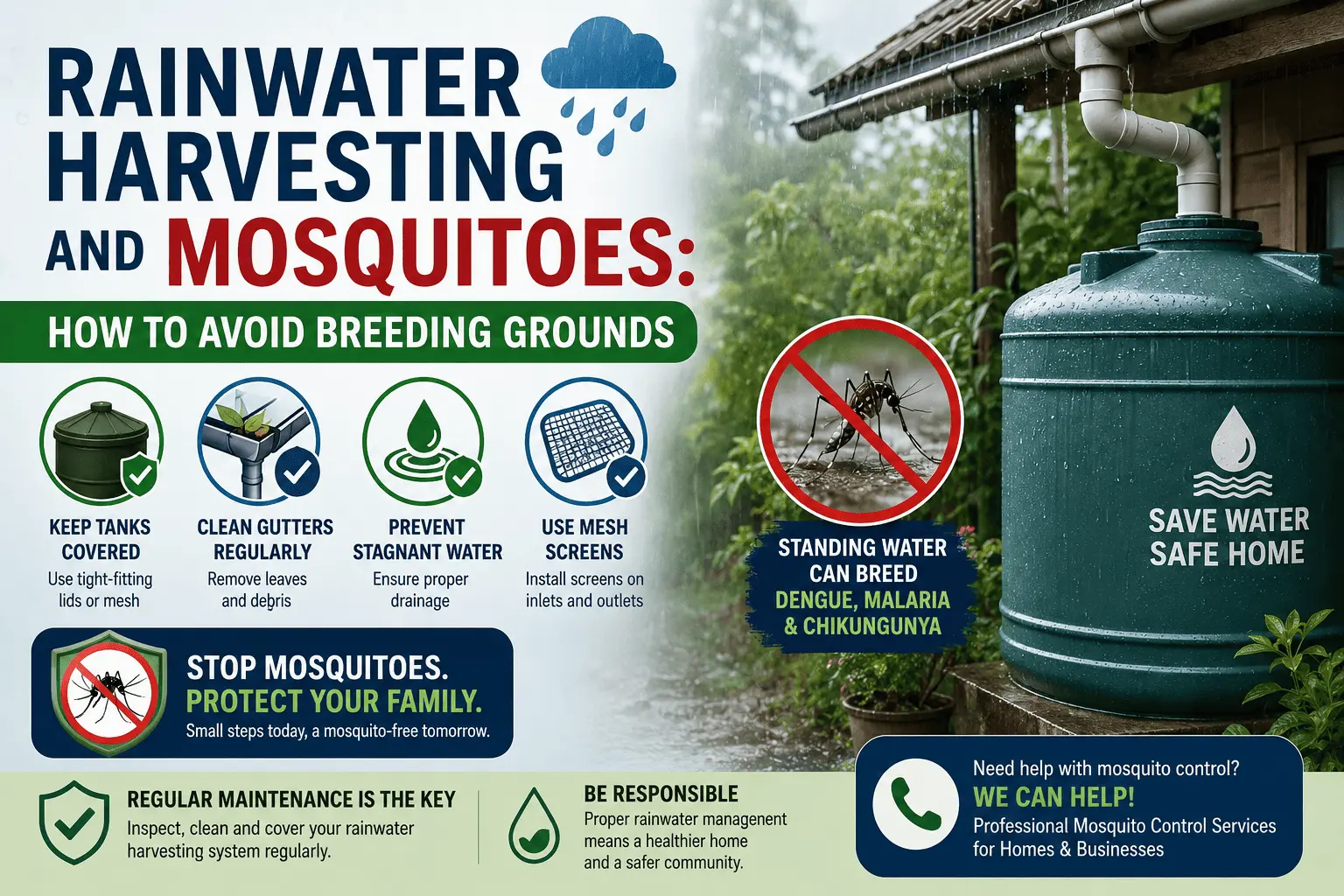
* Stagnant water collects in drains, flowerpots, and gutters, giving mosquitoes a place to lay eggs
* Cracks and gaps in walls absorb moisture, creating entry points that pests didn't have before
* Food sources increase indoors as pests move inside to escape flooding and wet soil
* Rodents seek shelter in dry, elevated spaces like attics, false ceilings, and stored cardboard
Most pest infestations don't start during the monsoon. They start before it, when a few termites or roaches find a damp corner and begin multiplying. By the time the rains hit, the colony is already established. This is the main reason timing matters so much in monsoon pest control.
What Is Pre-Monsoon Pest Control?
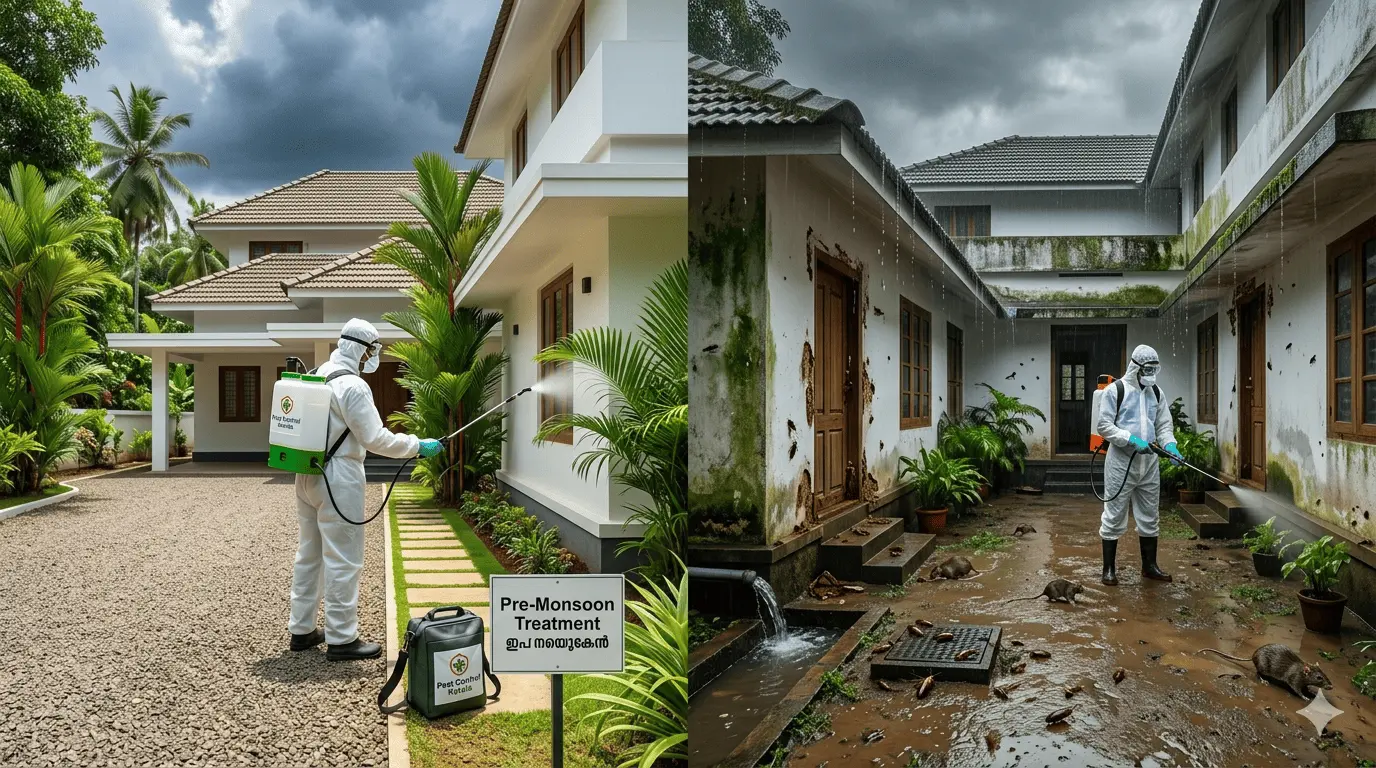
Pre-monsoon pest control is a preventive pest control service carried out before the rainy season begins, typically a few weeks before the first rains, with the goal of sealing entry points, treating breeding sites, and stopping pest populations from establishing themselves.
Think of it as weatherproofing your home against pests the same way you'd check your roof for leaks before the rains start. The focus here is prevention rather than cure.
A typical pre-monsoon pest control service includes:
* Inspection of foundation cracks, wall gaps, and pipe entry points
* Termite barrier treatment around the building's perimeter
* Sealing of gaps where rodents could enter
* Drain and gutter treatment to prevent mosquito breeding
* Application of residual insecticides in moisture-prone areas like kitchens and bathrooms
This service works on the principle that it's far easier to stop a colony from forming than to remove one that's already spread through your walls or foundation.
Benefits of Pre-Monsoon Pest Control
Reduces termite risk significantly. Termites swarm right before and during the first rains. A pre-monsoon termite control treatment disrupts this cycle before it starts.
Prevents mosquito breeding before it begins. Treating stagnant water sources early stops the mosquito lifecycle before eggs are laid.
Protects structural elements. Wooden furniture, door frames, and false ceilings are less likely to suffer from moisture and pest damage.
Lowers the chance of a major infestation. Catching pest activity early generally means less invasive treatment is needed overall.
Saves money over time. Preventive treatment is usually less expensive than emergency post-infestation pest control.
What Is Post-Monsoon Pest Control?
Post-monsoon pest control is a corrective and follow-up pest control service performed after the rainy season ends, aimed at addressing pest infestations that developed during monsoon, removing breeding sites left behind by standing water, and repairing the protective treatments washed away by heavy rain.
Even with the best pre-monsoon preparation, some pest activity is hard to avoid completely. Rain washes away surface-level treatments, soil shifts can expose new termite paths, and indoor humidity stays high for weeks after the rains stop. Post-monsoon treatment addresses what actually happened, not just what might happen.
A typical post-monsoon pest control service includes:
* Detailed pest inspection to assess any new infestations
* Termite control treatment, including soil treatment if termite activity is confirmed
* Cockroach control in kitchens, pantries, and bathroom drains
* Rodent control, including bait stations and entry point sealing
* General disinfestation to manage the pest population spike that follows rain
Benefits of Post-Monsoon Pest Control
Targets actual infestations, not just risk. Post-monsoon treatment deals with pests that have already moved in, which pre-monsoon treatment can't always prevent.
Restores protection washed away by rain. Many pre-monsoon barrier treatments lose effectiveness after weeks of heavy rainfall.
Reduces pest population spikes. Pest numbers often peak right after the monsoon ends, when breeding conditions are ideal for weeks.
Identifies hidden damage early. A post-monsoon inspection often catches termite or moisture damage before it becomes a bigger structural issue.
Resets your home for the dry season. Treating after the monsoon means your property starts the next few months pest-free rather than carrying problems forward.
Pre-Monsoon vs Post-Monsoon Pest Control: Comparison Table
Which Is More Effective?
This is the question most homeowners actually want answered, and the honest response is:
Neither one alone is enough. They solve different problems.
Pre-monsoon pest control is more effective at preventing infestations. It works because it interrupts pest breeding cycles before humidity and water create ideal conditions. If your property has had termite or mosquito issues in past years, skipping pre-monsoon treatment leaves you vulnerable right when conditions are most favorable for pests.
Post-monsoon pest control is more effective at resolving infestations. No preventive treatment is completely immune to three months of heavy rain. Soil shifts, barriers thin out, and new entry points appear. Post-monsoon treatment catches what got through and stops it from becoming a long-term problem.
Summary Box: Which Should You Choose?
> If your property has no current pest activity and you want to avoid problems, book pre-monsoon pest control
> If monsoon has already passed and you're noticing pests, dampness, or wood damage: book post-monsoon pest control
> If you want consistent, long-term protection: schedule both roughly four to six months apart, as part of a regular pest control plan.
Professional pest control companies generally recommend a two-treatment approach during the monsoon season because each service catches what the other might miss. Relying on just one leaves a gap, either at the start of the season or at the end of it.
Common Monsoon Pests
Monsoon season brings out a fairly predictable set of pests. Knowing what to look for helps you act before a small issue becomes a bigger one.
1. Termites– Swarm during early rains and can cause structural damage if untreated
2. Mosquitoes – Breed in any standing water, including small amounts in plant trays or gutters
3. Cockroaches – Move indoors seeking dry shelter and food, especially in kitchens
4. Rodents – Look for dry, elevated nesting spots like attics and stored boxes
5. Ants – Often relocate colonies indoors when the soil floods
6. Flies – Increase due to higher organic waste decomposition in humid conditions
7. Silverfish– Thrive in damp books, cardboard, and closets
Signs You Need Professional Pest Control
Not every pest sighting means you need a full treatment, but certain signs shouldn't be ignored.
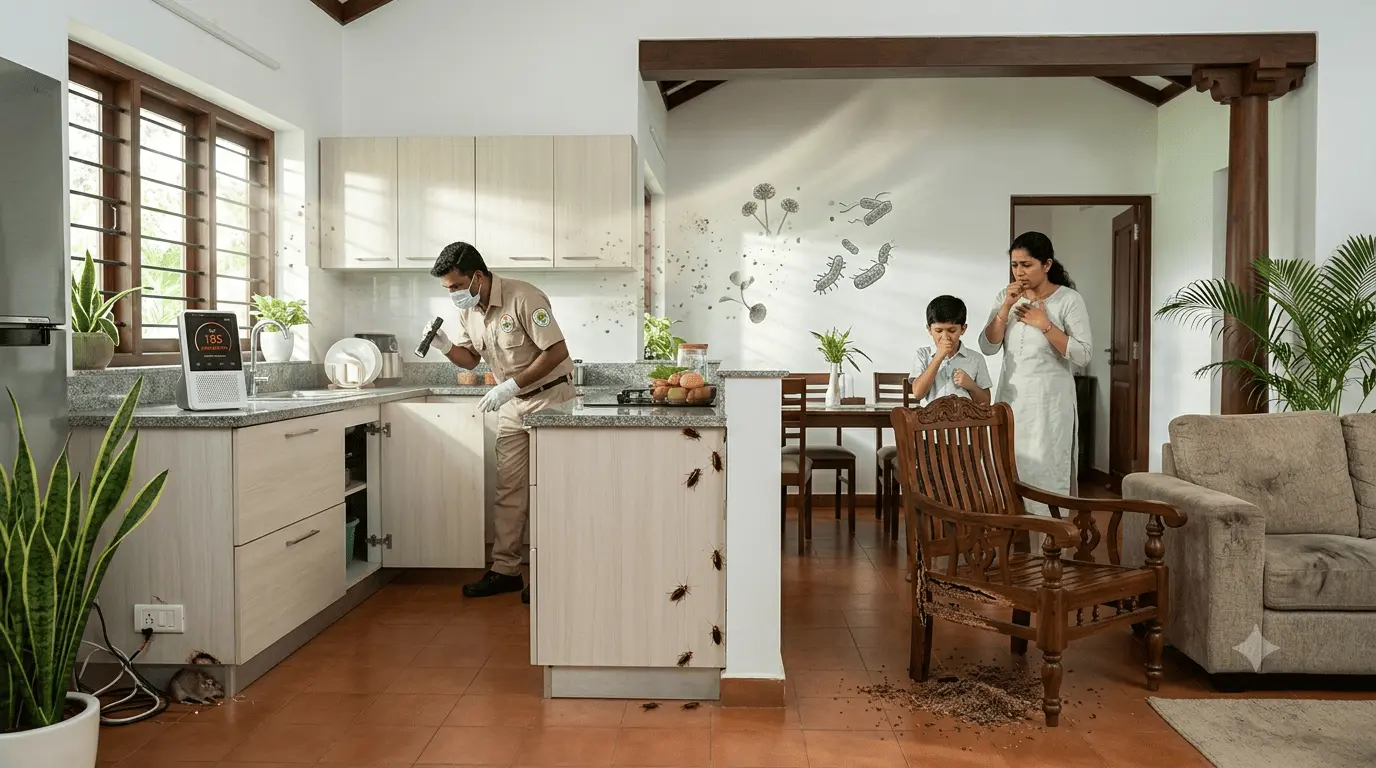
* Discarded termite wings near windowsills or light fixtures
* Hollow-sounding or soft wood on furniture, frames, or skirting boards
* Droppings near kitchen cabinets, pantries, or storage areas
* Musty odors in closed rooms, often linked to mold or termite activity
* Increased mosquito activity even after using repellents
* Cockroaches are active during the daytime, which usually signals a larger hidden population
* Scratching sounds in ceilings or walls, especially at night
* Visible mud tubes on walls or foundations, a clear sign of subterranean termite activity
If you notice two or more of these signs, it's worth scheduling a professional pest inspection rather than waiting to see if it gets worse.
Expert Prevention Tips
A few consistent habits go a long way in reducing pest activity, regardless of which treatment season you're in.
* Fix leaking pipes and taps promptly. Even small leaks create the moisture pests need to thrive.
* Clear gutters and drains before the monsoon starts. Blocked drainage is one of the most common mosquito breeding sources.
* Store firewood and cardboard away from walls. These materials attract termites and silverfish.
* Seal gaps around doors, windows, and utility pipes. This blocks one of the most common rodent and insect entry points.
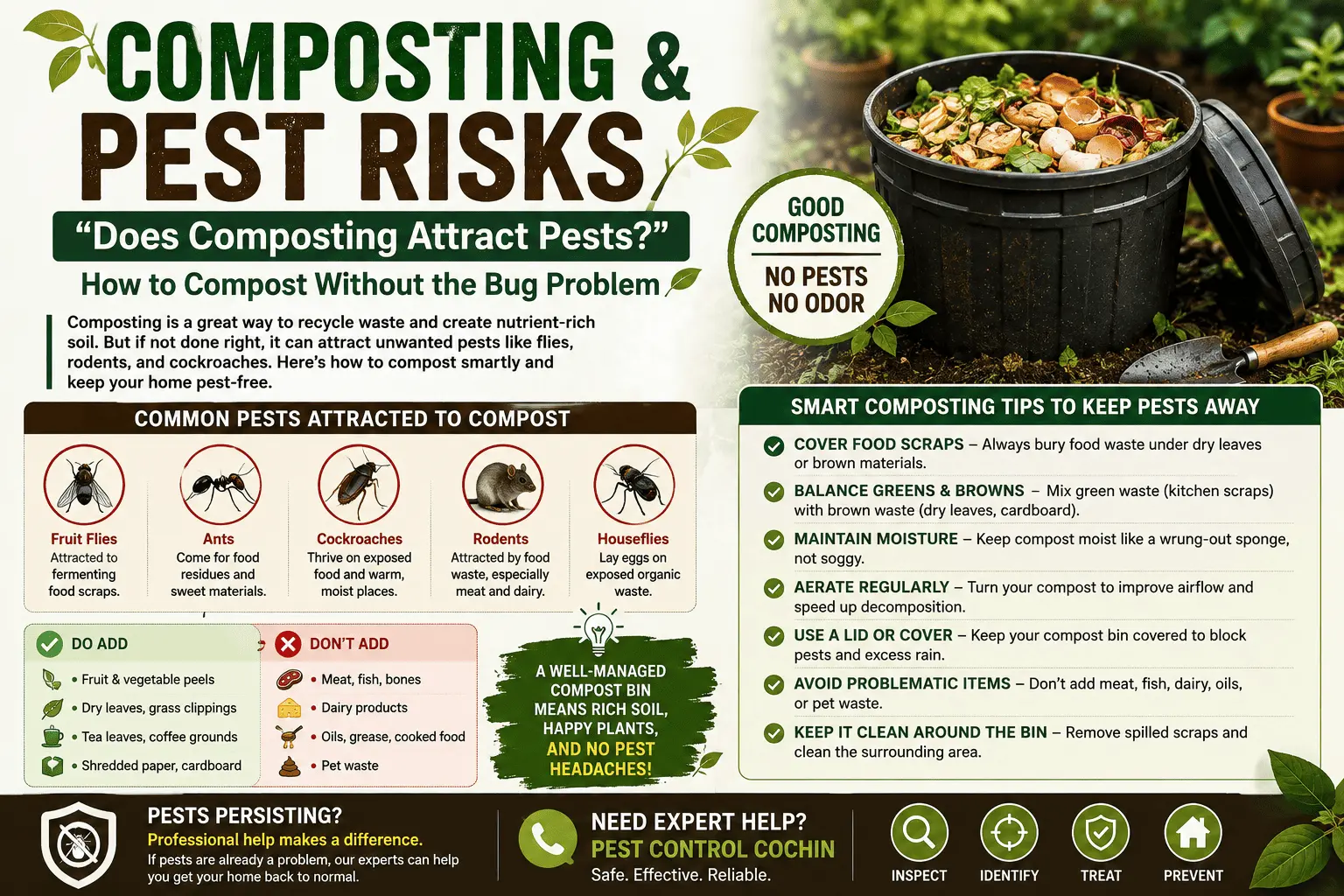
* Avoid letting water collect in plant trays or unused containers. Empty and dry them at least once a week.
* Ventilate damp areas like basements and storage rooms. Reducing humidity makes these spaces less attractive to pests.
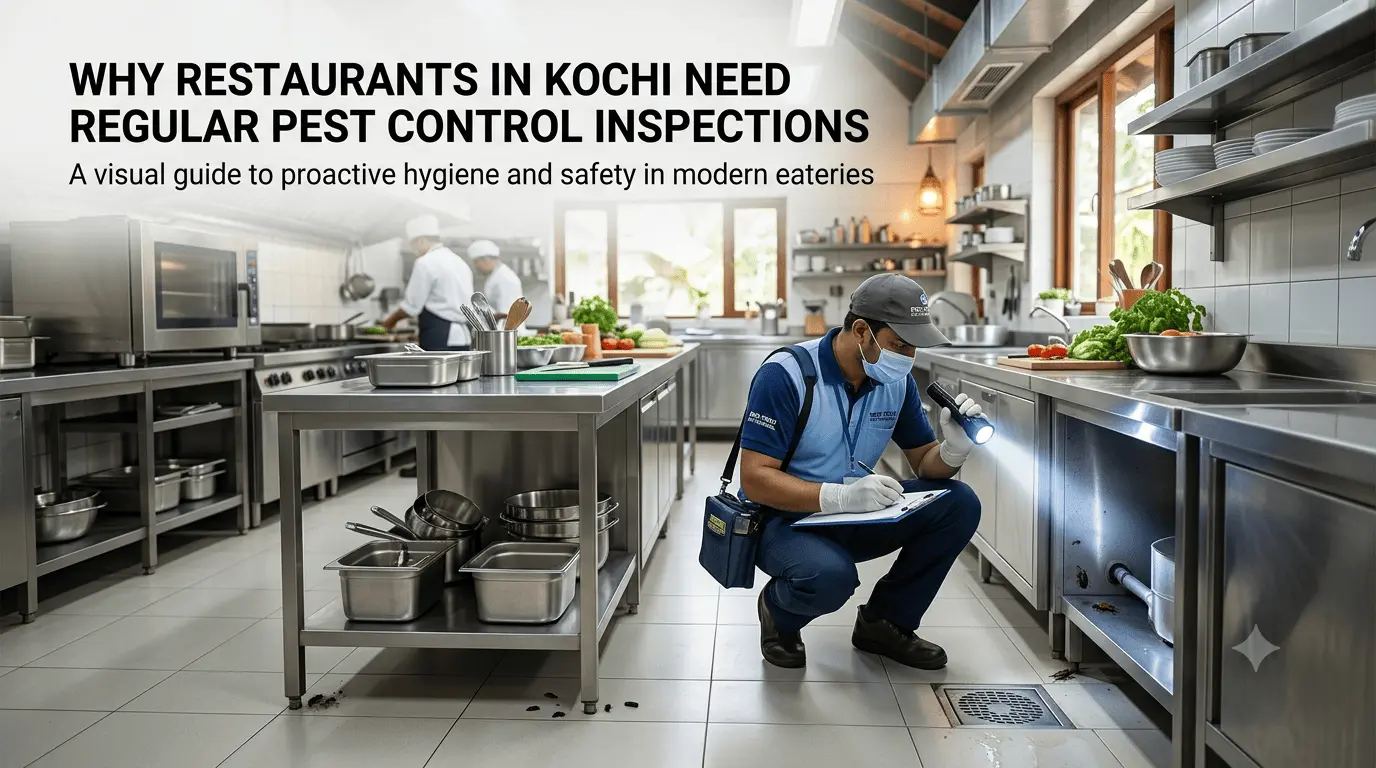
* Schedule a pest inspection twice a year.** Once before the monsoon and once after gives you the clearest picture of your property's pest risk.
Mistakes Homeowners Should Avoid
Waiting until pests are visible to take action. By the time you see termites or roaches, the colony is often already established.
* Using only DIY sprays for termite issues. Surface sprays rarely reach the colony or the soil where termites originate.
* Skipping post-monsoon follow-up. Many homeowners only treat before monsoon and assume that's enough, missing infestations that develop during the rains.
* Ignoring small leaks or damp patches. These are often the first signs of conditions that attract termites and cockroaches.
* Not checking storage areas and false ceilings. Rodents and pests often nest in places that aren't part of regular cleaning routines.
* Assuming one treatment lasts the entire year. Pest pressure changes with the seasons, so a single treatment rarely covers the full year effectively.
Frequently Asked Questions
1. What is the best time for pre-monsoon pest control?
The ideal window is two to four weeks before the monsoon season typically begins in your region. This gives treatments time to take effect before humidity and rainfall increase pest activity.
2. Is post-monsoon pest control really necessary if I already did pre-monsoon treatment?
Yes. Heavy rainfall can wash away some preventive treatments and create new breeding conditions. Post-monsoon pest control addresses any pest activity that developed despite earlier prevention.
3. How long does a monsoon pest control treatment last?
Most treatments are effective for three to six months, depending on the pest type, treatment method, and environmental conditions. Termite barrier treatments generally last longer than surface-level insect treatments.
4. Can I do pest control myself during the monsoon?
Basic prevention steps like sealing gaps and clearing standing water are fine to do yourself. However, termite control and large-scale infestations require professional pest control because they involve specialized chemicals and equipment not available for home use.
5. Which pests are most active during the monsoon?
Termites, mosquitoes, cockroaches, and rodents see the biggest activity increase during the monsoon due to rising humidity, standing water, and the need for dry shelter.
6. Does pest control treatment work during heavy rain?
Outdoor treatments are less effective during active rainfall since water can dilute or wash away chemicals. Most professional pest control companies schedule outdoor work for dry spells and handle indoor treatments regardless of the weather.
7. How do I know if I need termite control specifically?
Look for mud tubes on walls, discarded wings near windows, or wood that sounds hollow when tapped. These are signs of termite activity that need specialized termite control rather than general pest treatment.
8. Is mosquito control included in general monsoon pest control packages?
Most professional pest control providers include mosquito control as part of a monsoon package, since stagnant water management is a core part of monsoon-specific treatment.
9. How often should I schedule pest inspections?
Twice a year is a reasonable baseline for most homes: once before the monsoon and once after. Properties with a history of infestation may benefit from quarterly pest inspection.
10. What's the difference between pest control and pest prevention?*
Pest control typically refers to treating an existing pest problem, while pest prevention focuses on stopping infestations before they start. Pre-monsoon pest control leans toward prevention, while post-monsoon pest control often involves both correction and prevention for the next season.
Conclusion
Pre-monsoon and post-monsoon pest control aren't rival strategies; they're two halves of the same plan. Pre-monsoon treatment gives your property a head start by sealing entry points and disrupting pest breeding before the rains create ideal conditions. Post-monsoon treatment cleans up what got through and resets your home for the months ahead.
If you only have time or budget for one, base your decision on what your property is dealing with right now. Active pest signs call for post-monsoon style treatment immediately, regardless of season. A clean property heading into monsoon benefits most from preventive, pre-monsoon treatment.
For most homes and businesses, the most reliable approach is scheduling both, spaced a few months apart, as part of a consistent pest control routine rather than a one-time fix.