Waterlogging & Pest Infestations: Kochi Homeowner Guide
The Connection Between Waterlogging and Pest Infestations
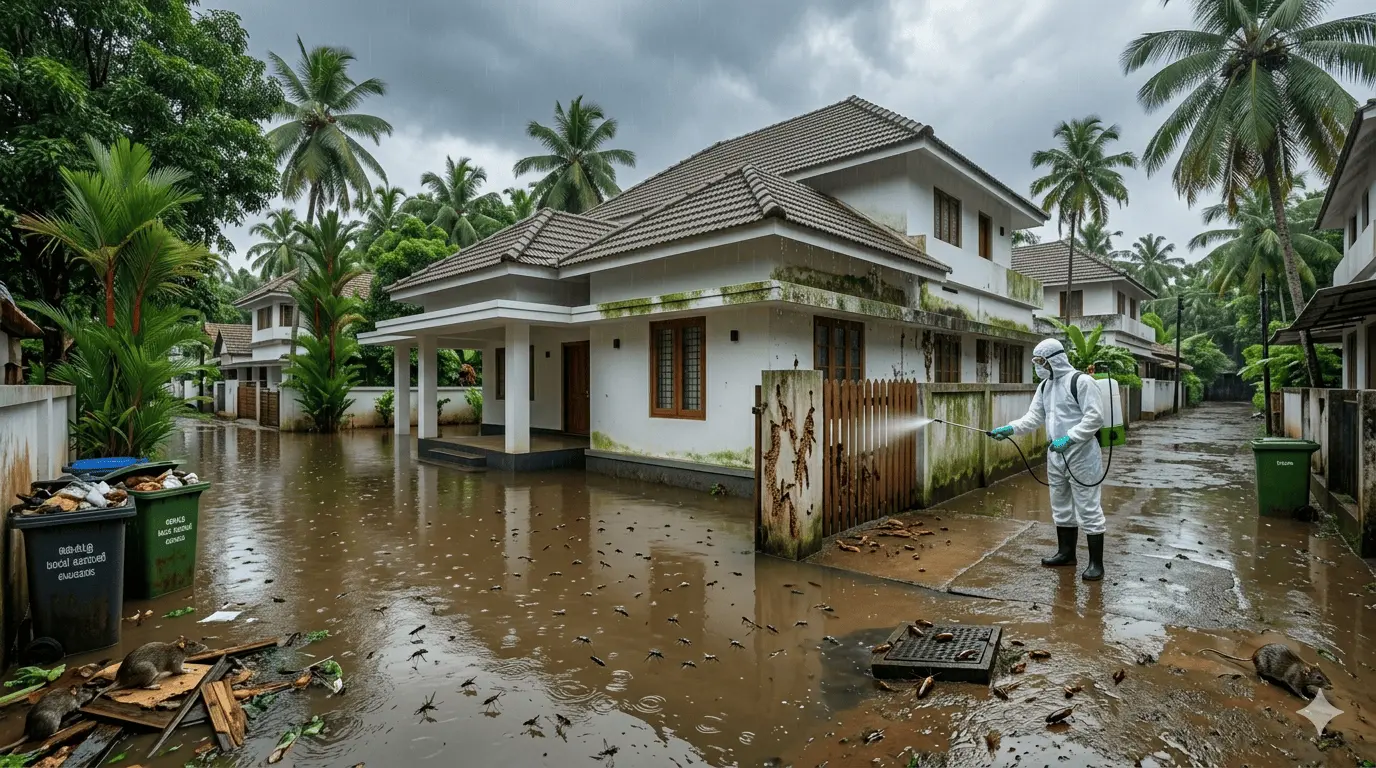
Anyone who has lived in Kochi through a monsoon knows the drill. The rain comes down hard, drains struggle to keep up, and within hours, streets and compounds start holding water that takes days to fully drain away. What many property owners don't realize is that this waterlogging does more than cause inconvenience. It actively invites pests into homes and businesses, and it's one of the most common reasons people search for a pest control service in Kochi during and after the monsoon months.
Kochi's low-lying geography, dense urban drainage, and heavy monsoon rainfall make waterlogging a near-annual event in many neighborhoods. Backwaters, canals, and a high water table all mean that even moderate rain can leave water sitting in compounds, basements, and low-lying rooms for extended periods. That standing water doesn't just sit there quietly. It becomes a breeding ground for mosquitoes, a moisture source for termites, and a draw for cockroaches and rodents looking for food and shelter.
This is why timely pest control matters so much during and after the rains. A property that looks fine on the surface can already be hosting an early-stage infestation that becomes a much bigger problem once the water recedes. In this guide, we'll explain exactly how waterlogging leads to pest infestations, what to watch for, and when it makes sense to bring in a professional pest control service in Kochi rather than handling it alone.
What Is Waterlogging?
Waterlogging happens when water accumulates on or near a property faster than the soil or drainage system can absorb or remove it, leaving standing water on surfaces, in com
pounds, or below ground for an extended period.
In Kochi, this is usually caused by a combination of factors:
* Heavy monsoon rainfall exceeding drainage capacity
* Poor or blocked stormwater drains
* Low-lying land elevation relative to surrounding canals and backwaters
* Saturated soil that can no longer absorb additional rainfall
* Construction that blocks natural water flow paths
Waterlogging can last anywhere from a few hours to several days, depending on rainfall intensity, drainage conditions, and how quickly the water table recedes. The longer water sits, the more time pests have to find it and use it.
Why Does Waterlogging Attract Pests?
Pests don't appear randomly after heavy rain. They respond to very specific conditions that waterlogging creates, and understanding this connection is the foundation of effective monsoon pest control.
Here's the science behind it:
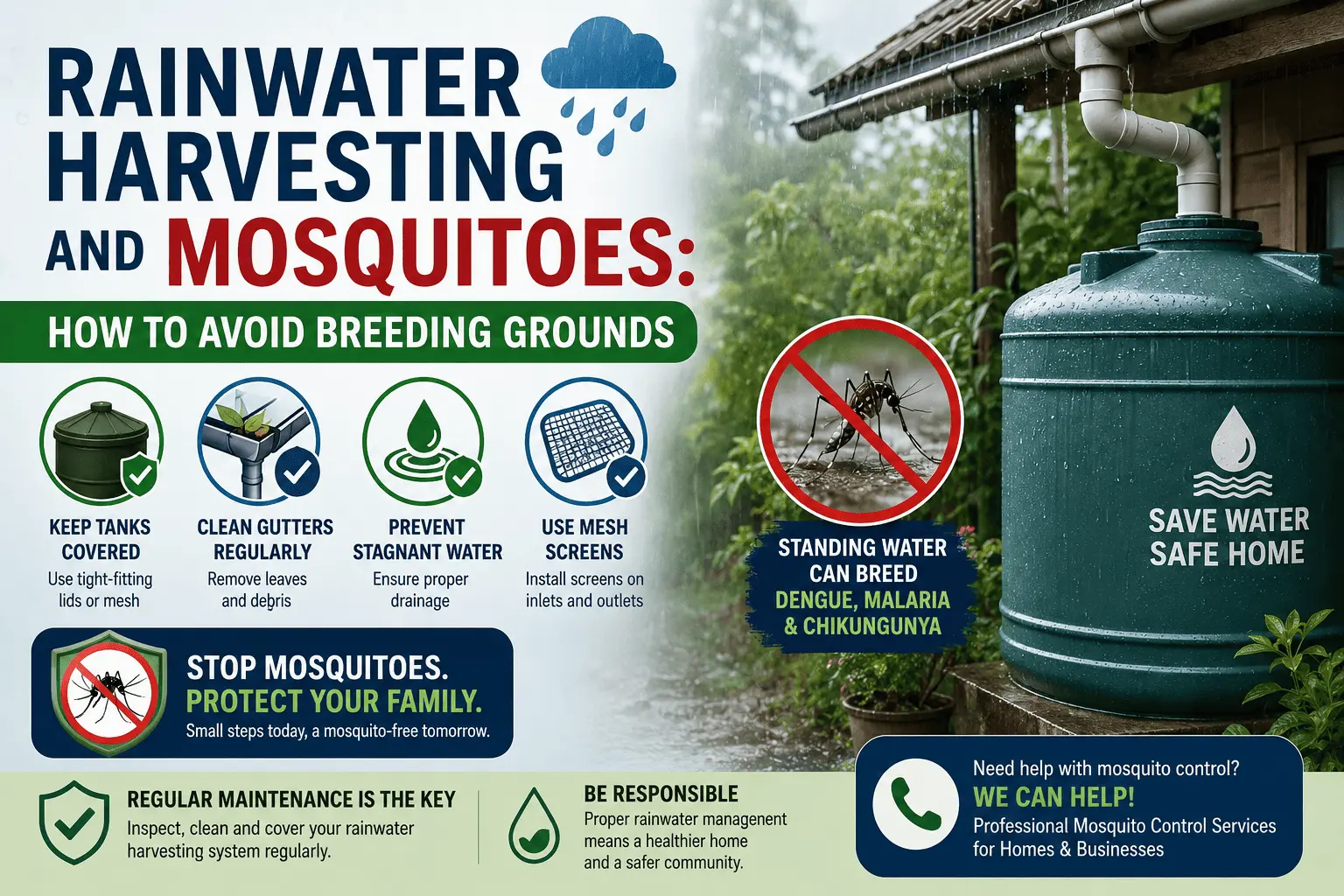
* Standing water is a mosquito breeding requirement. Female mosquitoes need still water to lay eggs, and even small pools left behind by waterlogging are enough to start a breeding cycle within a week.
* Moisture softens wood and building materials. This makes it easier for termites to access timber, door frames, and furniture that would otherwise be too hard to penetrate.
* Humidity extends pest activity windows. Cockroaches and ants are more active and reproduce faster in humid conditions, which waterlogged areas sustain for days after the rain stops.
* Flooding displaces pests from their natural habitat. Rodents, ants, and even snakes move toward dry, elevated areas, which often means moving into homes and buildings.
* Decomposing organic matter increases food sources. Waterlogged areas often collect leaves, food waste, and debris, which attract flies, cockroaches, and rodents looking for a meal.
In short, waterlogging checks almost every box pests need to survive and multiply: water, warmth, shelter, and food. This is why pest control Kochi providers see a sharp rise in service requests in the weeks following heavy rainfall.
Common Pests Found in Waterlogged Areas
The most common pests linked to waterlogging are mosquitoes, cockroaches, termites, rodents, ants, flies, and silverfish.Each is drawn to a different aspect of waterlogged conditions, from standing water to elevated humidity.
How Waterlogging Impacts Homes and Businesses
The effects of waterlogging-related pest activity go beyond a few stray insects. For different property types:
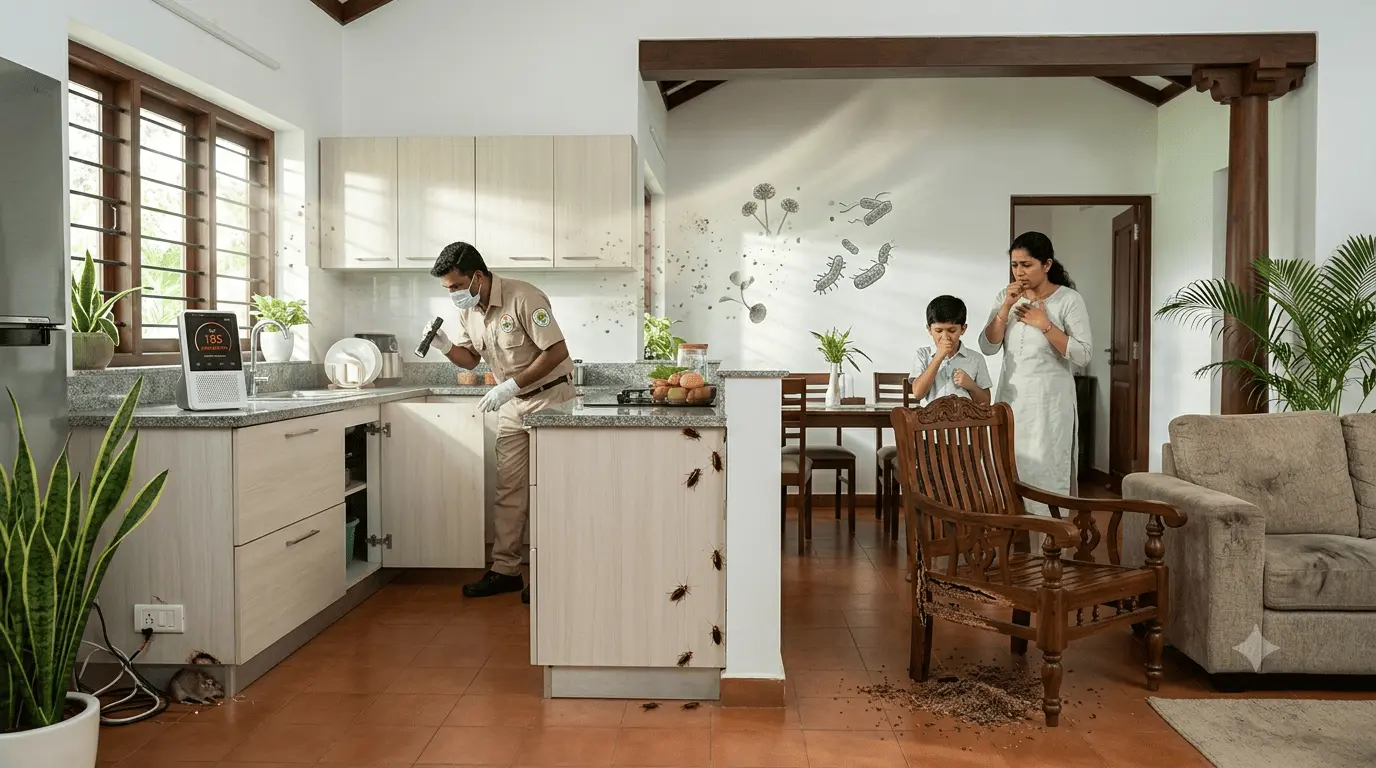
* Homes and apartments often see termite damage to furniture, increased cockroach activity in kitchens, and mosquito problems in bedrooms and balconies.
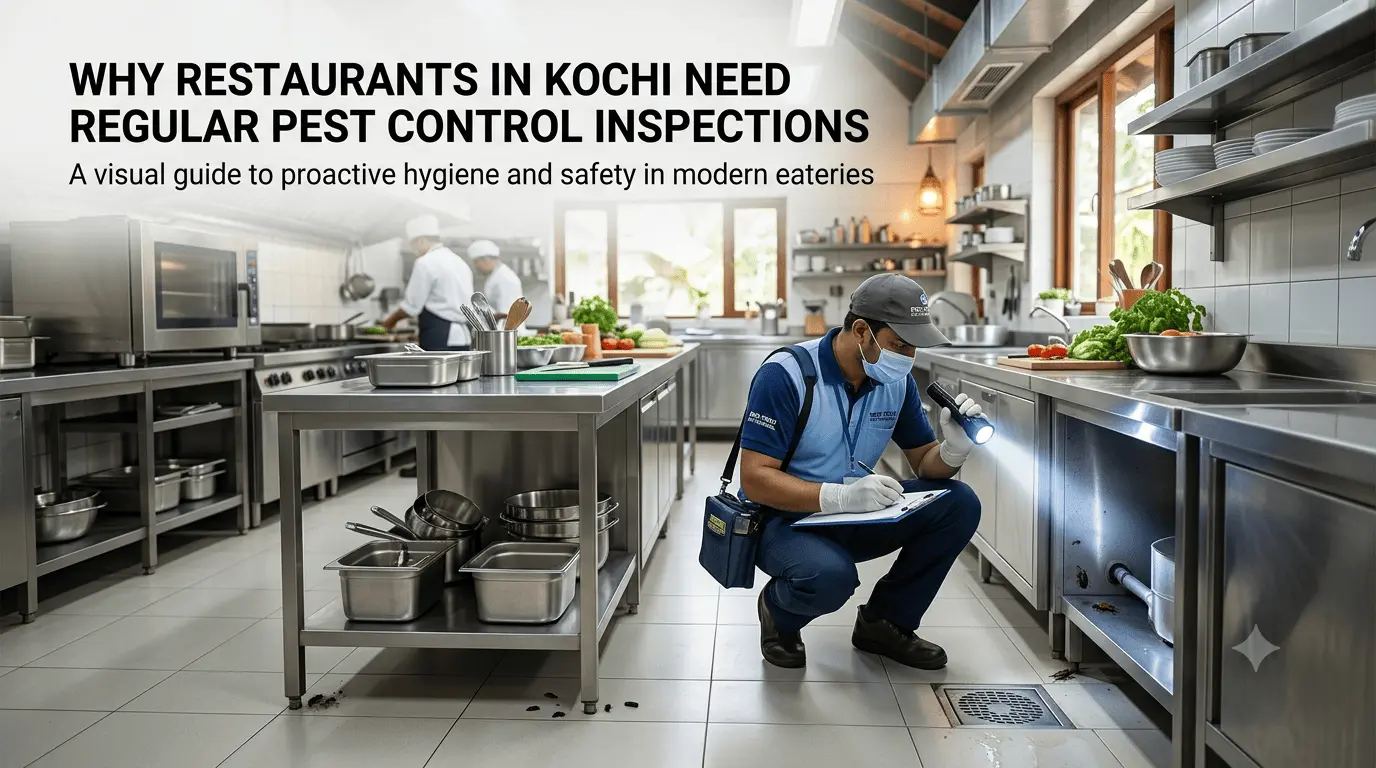
* Restaurants and hotels face higher risks of cockroach and rodent infestation in food storage areas, affecting hygiene standards and guest trust.
* Hospitals and schools need stricter pest control standards, since mosquito-borne illness carries more serious consequences in these settings.
* Warehouses and commercial buildings often deal with rodent infestation in storage areas, as flooding pushes rodents toward dry indoor spaces.
The underlying issue is the same across property types: waterlogging changes the immediate environment in ways that make pest infestation more likely.
Health Risks Associated with Waterlogging-Related Pests
Pest infestations following waterlogging aren't just a property nuisance. They carry real health implications:
* Mosquito-borne illnesses such as dengue and chikungunya are more common in regions with standing water, including parts of Kerala during monsoon season
*Cockroach allergens can trigger asthma and allergic reactions, particularly in children and elderly residents
* Rodent-borne diseaseslike leptospirosis are a known concern in flood-affected areas, since rodents often carry pathogens in contaminated water
* Contaminated food sources from cockroach or ant activity increase the risk of gastrointestinal illness
* Termite damage doesn't directly cause illness but can compromise structural safety over time if left untreated
Signs Your Property Has a Pest Problem
Catching an infestation early makes treatment faster and less invasive. Watch for these signs after any period of waterlogging:
1. Increased mosquito activity indoors, even with windows closed
2. Discarded termite wings near doors, windows, or light fixtures
3. Cockroaches are visible during daytime hours
4. Musty or damp odors in closed rooms
5. Rodent droppings near food storage or stored items
6. Scratching sounds in ceilings, walls, or false ceilings
7. Small holes or grooves in wooden furniture or frames
8. Ant trails leading toward kitchens or food storage
9. Silverfish near books, cardboard, or stored documents
10. Visible mud tubes on walls are a clear sign of termite activity
If you notice two or more of these signs, it's a reasonable point to schedule a professional pest inspection rather than waiting for the problem to grow. A trusted pest control service in Kochi can confirm whether what you're seeing is an isolated issue or the start of a larger infestation.
How Professional Pest Control Services Handle Waterlogging-Related Infestations
A reliable pest control service in Kochi doesn't simply spray chemicals and leave. Most modern providers follow an Integrated Pest Management (IPM) approach, which focuses on identifying root causes rather than just treating symptoms.
This generally includes:
* Inspection. A detailed walk-through to identify pest activity, entry points, and moisture-prone areas.
* Source identification. Pinpointing where water is collecting, which materials are affected, and what's drawing pests in.
* Integrated Pest Management (IPM). Combining physical, chemical, and preventive methods rather than relying on a single treatment type.
* Targeted treatments. Applying treatments specifically where pest activity and risk are highest, rather than blanket spraying.
* Monitoring. Following up to check whether treatment was effective and whether pest activity has reduced.
* Prevention strategies. Recommending structural or maintenance changes, like sealing gaps or improving drainage, to reduce future risk.
This approach tends to be more sustainable than one-time treatments, since it addresses both the pest and the conditions that allowed it to thrive.
Preventing Pest Infestations After Heavy Rain
Most pest problems linked to waterlogging are preventable with consistent maintenance. Here are practical steps property owners in Kochi can take:
1. Clear gutters and drains before and after heavy rainfall
2. Avoid letting water collect in plant trays, buckets, or unused containers
3. Check and repair leaking pipes or taps promptly
4. Ensure proper slope and drainage around the building's foundation
5. Seal cracks and gaps in walls, especially near ground level
6. Store firewood, cardboard, and paper away from damp walls
7. Keep food storage areas clean and tightly sealed
8. Ventilate basements and ground-floor rooms to reduce humidity
9. Trim vegetation that holds moisture close to the building
10. Inspect false ceilings and attics for dampness after rain
11. Dispose of organic waste regularly rather than letting it accumulate
12. Use door sweeps and seal gaps to block rodent entry points
13. Check for standing water in unused outdoor fixtures weekly
14. Maintain septic and sewage systems to prevent overflow during heavy rain
15. Schedule a professional pest inspection at the start and end of monsoon season
Expert Tip
Even a small amount of standing water, as little as a bottle cap's worth, is enough for mosquitoes to breed in. Weekly checks of outdoor containers matter more than most people realize.
Common Mistakes Property Owners Make
* Waiting until pests are visible to take action. By this point, the infestation is often already established.
* Relying only on store-bought sprays for termites. These rarely reach the colony or affect termites living below ground.
* Ignoring minor leaks or damp patches. These small issues are often what attracts pests in the first place.
* Not checking storage areas regularly, rodents and silverfish often go unnoticed in spaces that aren't part of daily cleaning.
* Assuming one treatment covers the full year. Pest pressure changes with the seasons, so ongoing maintenance matters more than a single visit.
*Overlooking drainage maintenance. Clearing drains is one of the most effective and overlooked ways to reduce both waterlogging and pest risk.
Why Regular Pest Inspections Matter
Regular pest inspection isn't just about catching existing problems. It's about understanding a property's specific risk factors before they turn into infestations. A property near a canal or low-lying area, for example, may need more frequent checks than one on higher ground.
Routine inspections help with:
* Identifying early termite activity before structural damage occurs
* Spotting moisture issues that could lead to future infestations
* Adjusting prevention strategies based on seasonal changes
Reducing the overall cost of pest management by avoiding large-scale treatments later
For commercial properties like restaurants, hospitals, and warehouses, regular inspection is often necessary to meet hygiene and safety standards as well.
When Should You Call a Pest Control Professional?
It's reasonable to handle very minor issues yourself, like clearing a clogged drain or removing standing water from a single container. But certain situations call for professional pest treatment services:
* You notice termite wings, mud tubes, or damaged wood
* Cockroaches are active during the day, suggesting a larger hidden population
* Rodent droppings or scratching sounds are present
* Mosquito activity persists despite repellents and basic prevention
* The property has experienced flooding or prolonged waterlogging
* You manage a commercial property with hygiene or safety obligations
* DIY treatments haven't reduced pest activity after a reasonable period
Quick Checklist: Do You Need Professional Pest Control?
- Standing water has been present for more than 48 hours
- You've spotted two or more signs of pest activity listed earlier
- DIY methods haven't worked after two weeks
- Your property is commercial and subject to hygiene standards
- You've had a pest infestation in the same season before
- You haven't had a professional pest inspection in the last six months
If you checked two or more boxes, it's a good time to schedule an inspection with a professional pest control service in Kochi.
Why Choose a Professional Pest Control Service in Kochi?
Kochi's climate and geography create pest conditions that differ from drier inland cities, which is why local expertise matters when choosing a provider.
* Local climate expertise. Technicians familiar with Kochi's monsoon patterns and waterlogging-prone areas can anticipate pest risks more accurately.
* Safe and approved treatment methods. Reputable providers apply treatments approved for residential and commercial use, following standard safety guidelines.
*Customized pest management plans. Properties near backwaters or low-lying zones often need different strategies than those on higher ground.
* Preventive solutions. Beyond treating active infestations, professional services help identify drainage or structural issues contributing to pest risk.
* Experienced technicians. Hands-on experience with Kerala's pest patterns helps providers catch problems that might otherwise go unnoticed.
Choosing a provider isn't about finding a single "best" option. It's about finding one with local knowledge and a consistent, evidence-based approach to integrated pest management.
Frequently Asked Questions
1. Why does waterlogging cause more pest problems in Kochi specifically?
Kochi's low elevation, proximity to backwaters, and heavy monsoon rainfall mean water often takes longer to drain compared to other regions, giving pests more time to breed and establish themselves.
2. How soon after waterlogging can mosquitoes start breeding?
Mosquitoes can lay eggs in standing water within days, and eggs can hatch into adult mosquitoes in as little as a week under warm, humid conditions.
3. Can waterlogging really attract termites?
Yes. Moisture from waterlogging softens wood and increases humidity near foundations, both of which make it easier for termites to access and damage structures.
4. Is DIY pest control enough after heavy rain?
DIY methods can help with minor prevention, like clearing standing water or sealing small gaps, but termite infestation and larger pest problems usually require professional pest control Kochi services with access to targeted treatments.
5. How do I know if I need termite control versus general pest control?
Look for mud tubes, discarded wings, or hollow-sounding wood. These are specific signs of termite activity that need specialized termite control rather than general pest treatment.
6. Does monsoon pest control cover both indoor and outdoor areas?
Most professional monsoon pest control services address both, since outdoor breeding sites like drains and standing water directly affect indoor pest activity.
7. How often should commercial properties schedule pest inspections?
Many commercial properties, especially restaurants, hospitals, and warehouses, benefit from quarterly inspections, with additional checks after major rainfall events.
8. What is Integrated Pest Management (IPM)?
IPM is an approach that combines inspection, source identification, targeted treatment, and prevention rather than relying solely on chemical spraying. It's considered a more sustainable, long-term pest management method.
9. Can rodent infestations really be linked to flooding?
Yes. Flooding displaces rodents from their natural burrows and pushes them toward dry, elevated spaces, which often means moving into nearby buildings.
10. Are eco-friendly pest control options available for waterlogging-related pests?
Many providers now offer eco-friendly pest control options that use targeted, lower-toxicity treatments alongside preventive measures like drainage correction and sealing entry points.
11. How long does it take to see results after a pest control treatment?
This varies by pest type and infestation severity, but noticeable reduction in activity is common within one to two weeks, with follow-up monitoring used to confirm results.
12. What can I do immediately after my property experiences waterlogging?
Remove standing water as soon as possible, ventilate damp areas, check for early signs of pest activity, and consider a professional pest inspection if waterlogging lasted more than a day or two.
Conclusion
Waterlogging and pest infestations are closely linked, and in a city like Kochi, where monsoon rainfall and low-lying terrain make standing water a regular occurrence, that connection is hard to avoid entirely. Mosquitoes, termites, cockroaches, and rodents all respond to the same conditions waterlogging creates: moisture, warmth, food, and shelter.
The good news is that most of this risk is manageable with consistent prevention and timely professional support. Clearing drains, fixing leaks, and watching for early signs of pest activity go a long way. When infestations do take hold, especially termites or rodents, professional treatment based on Integrated Pest Management principles tends to offer more lasting results than DIY fixes alone.
If your property has dealt with waterlogging this monsoon season, or you've noticed any of the warning signs covered in this guide, it's worth scheduling a professional inspection before the problem grows. A timely pest control service in Kochi can address current activity and help reduce the risk of it returning next season.