Leptospirosis — The Deadly Rat Disease Common in Kerala During Floods
Indroduction
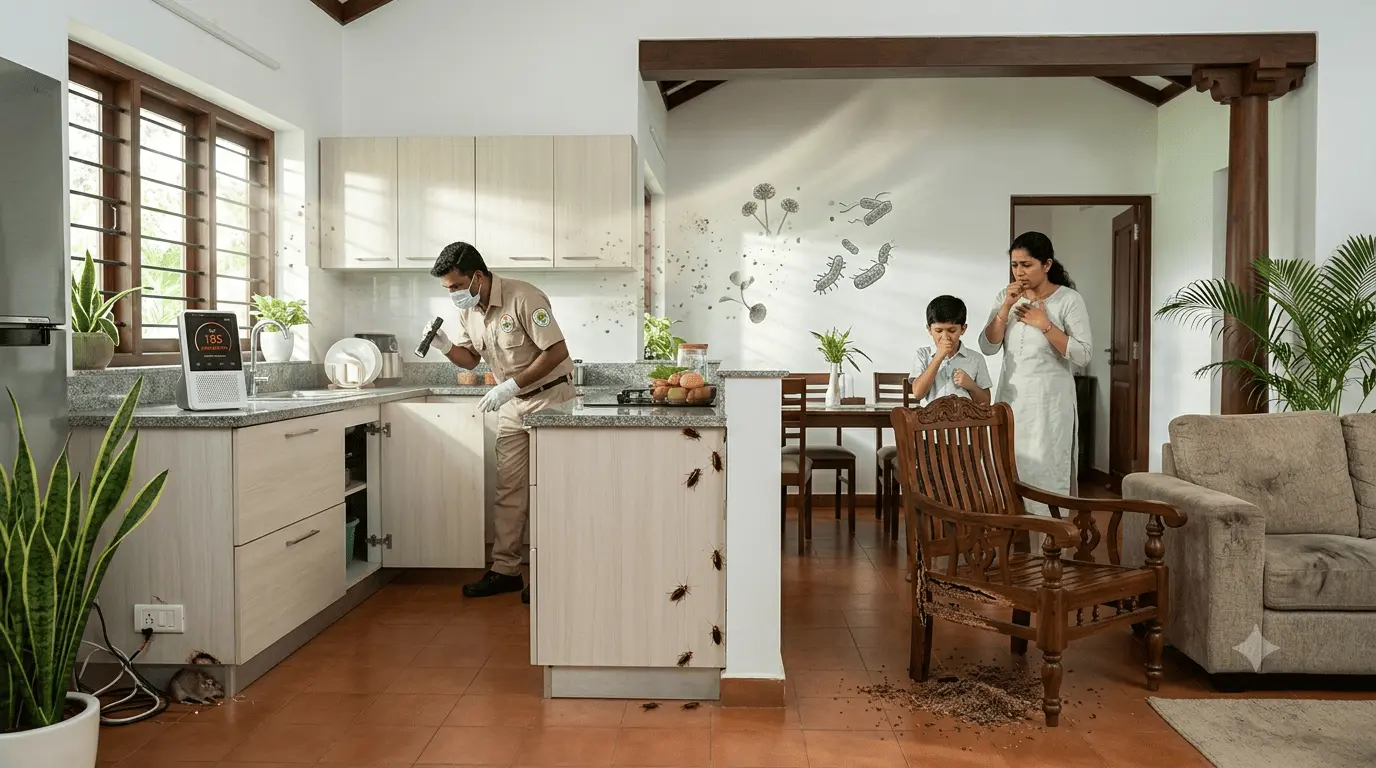
Every monsoon season, leptospirosis claims lives across Kerala. The hidden culprit behind most outbreaks is surprisingly simple rat urine in floodwater.
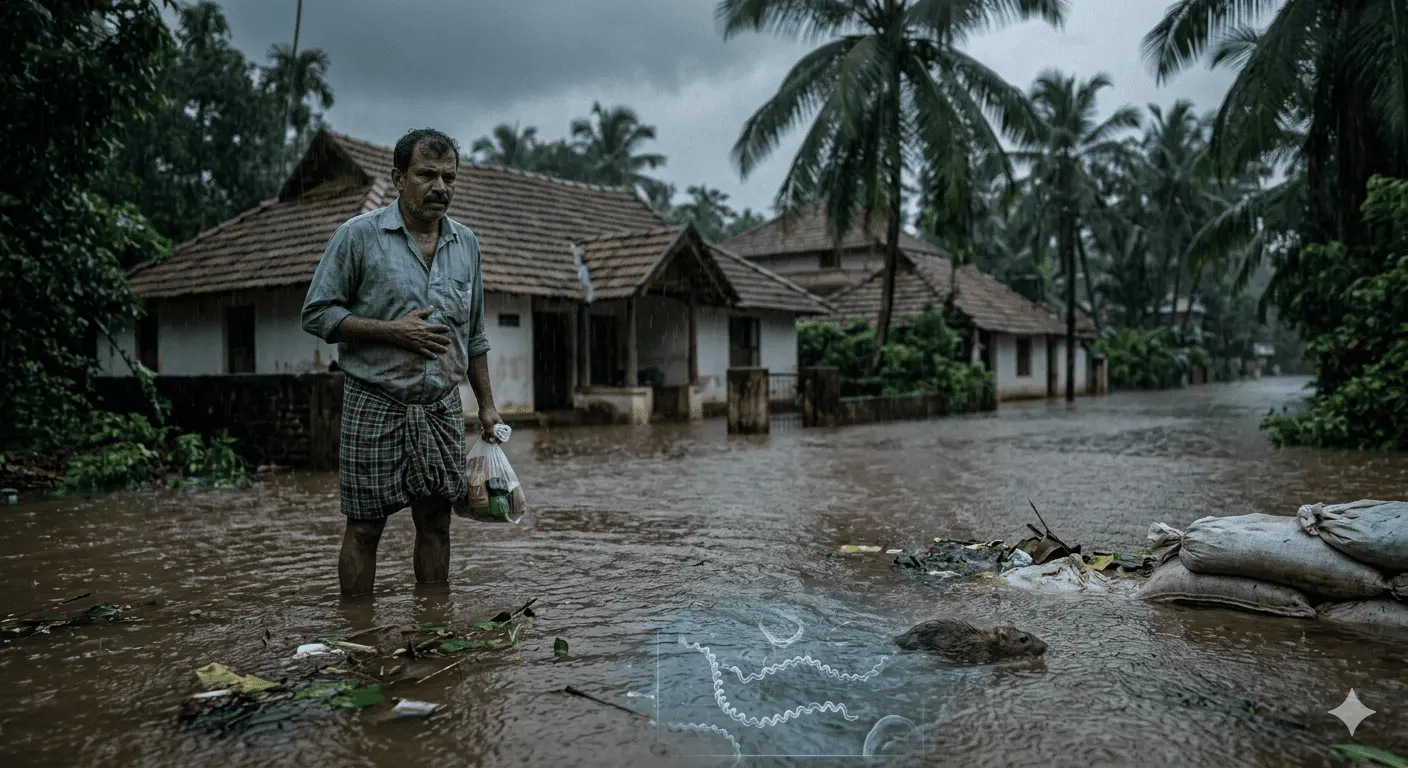
When floodwaters rise in Kerala, they carry more than mud and debris. They carry a silent bacterial threat that health departments have warned about for decades leptospirosis, also known as rat fever. Whether you are wading through a waterlogged street in Ernakulam or cleaning your compound after a downpour, your risk of exposure is very real.
This guide breaks down everything you need to know about leptospirosis what it is, how it spreads, who is at risk in Kochi, and most importantly, how professional rat control services in Kochi can reduce your family's exposure long before the rains arrive.
What is leptospirosis and why is it so dangerous in Kerala?
Leptospirosis is a bacterial infection caused by Leptospira bacteria, primarily spread through the urine of infected animals — most commonly rats. Kerala's geography, dense urban-rural mix, and annual heavy monsoon rainfall create near-perfect conditions for this disease to spread rapidly.
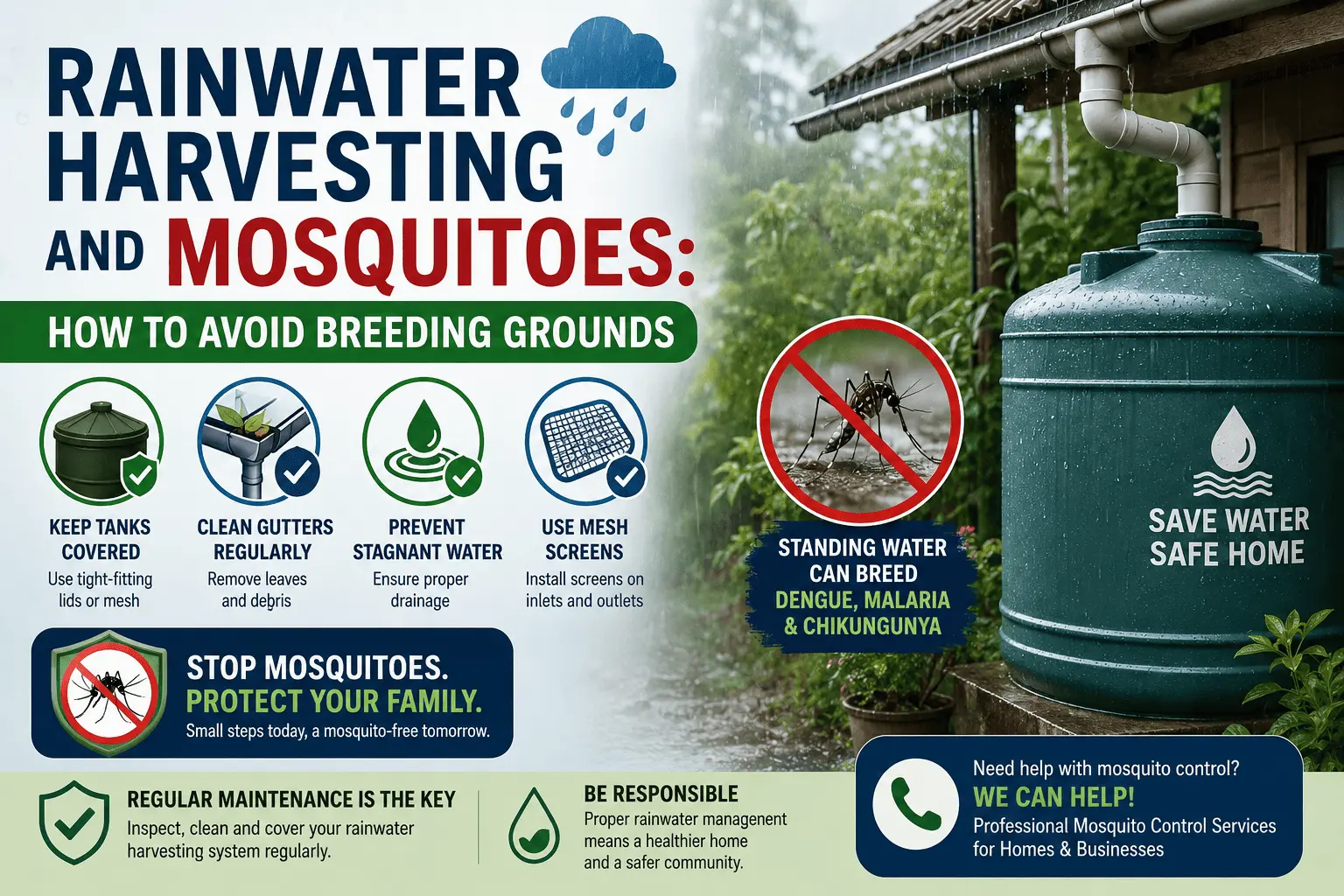
Rats infected with Leptospira shed the bacteria in their urine. When floodwater mixes with contaminated soil or drains, the bacteria survive for days to weeks in warm, moist environments. A person who walks barefoot through this water, or has a small cut on their skin, can become infected within hours.
What are the symptoms of leptospirosis you should not ignore?
Many people dismiss early leptospirosis symptoms as ordinary fever or flu. This delay is what makes the disease deadly. Symptoms typically appear 2–14 days after exposure.
- Sudden high fever
- Severe headache
- Muscle pain
- Red eyes
- Vomiting
- Chills
- Jaundice
- Skin rash
In severe cases — a condition called Weil's disease — the infection can cause kidney failure, liver damage, meningitis, and respiratory distress. Without timely treatment, it can be fatal. If you or anyone in your household develops these symptoms within two weeks of flood exposure, seek medical attention immediately and mention possible leptospira exposure to your doctor.
How do rats spread leptospirosis during Kerala floods?
Rats are the primary reservoir hosts for Leptospira interrogans, the strain responsible for most human infections in India. During monsoons, rising water levels drive rats out of burrows, sewers, and low-lying hideouts. They move into homes, markets, paddy fields, and urban drains — all common features of greater Kochi's landscape.
As rats flee floodwater, they urinate more frequently, spreading bacteria across surfaces, stored food, and open water sources. Construction sites, fish markets, rubber plantations, and low-lying residential colonies around areas like Aluva, Thrikkakara, and Edappally face particularly high risk.
High-risk environments in Kochi
- ·Waterlogged streets and open drains
- Paddy fields and agricultural land after heavy rain
- Fish markets and meat processing areas
- Basements and ground-floor apartments
- Construction sites with soil disturbance
- Properties adjacent to canals or nallahs
How can rat control services in Kochi help prevent leptospirosis?
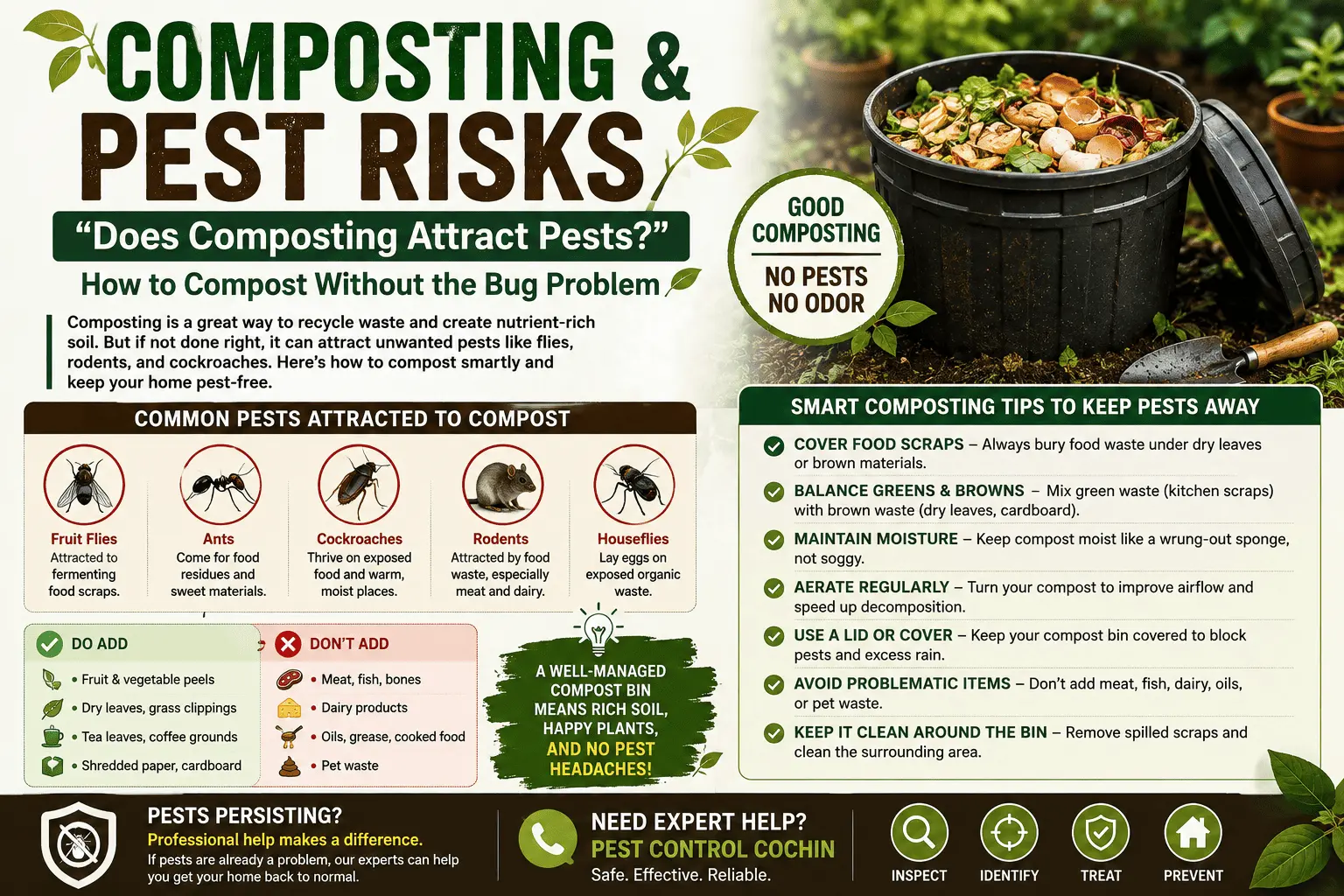
The most effective long-term prevention against leptospirosis is not just wearing boots or taking antibiotics — it is eliminating the source. Professional rat control services in Kochi address the root cause: rodent populations living in and around your property.
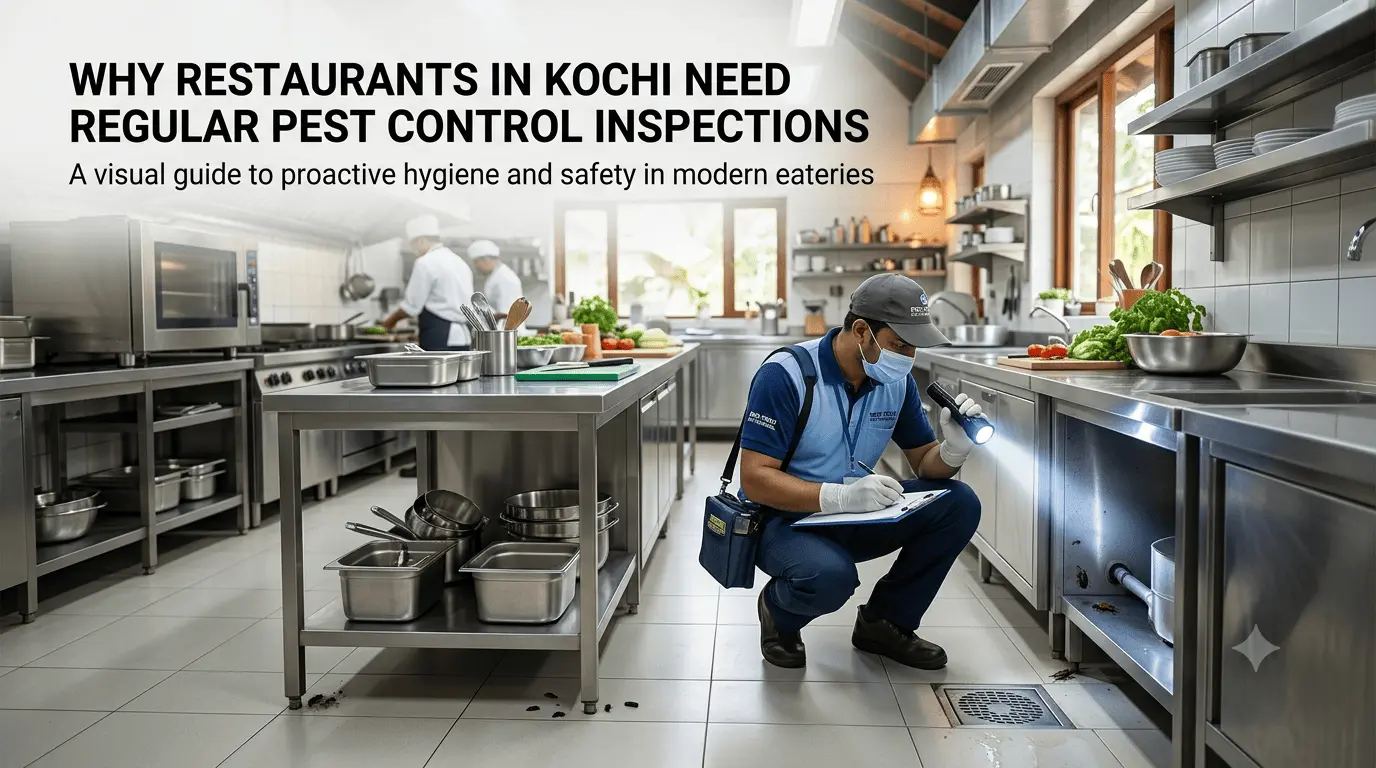
A qualified pest control provider like PestTarck uses integrated rodent management techniques, including:
- Rodent inspection and activity mapping — Identifying entry points, burrow sites, and high-traffic rat zones around your property.
- Tamper-resistant bait stations — Safe, child and pet-friendly bait systems placed at strategic points.
- Proofing and exclusion work — Sealing gaps, broken drains, and structural entry points that allow rats to move inside.
- Sanitation advisory — Guidance on waste management and storage practices that reduce rodent attraction.
- Post-monsoon follow-up treatments — Targeted rat extermination and decontamination after flood events.
Homes and commercial spaces that invest in pre-monsoon rodent control treatment significantly reduce both the rat population on their premises and the risk of leptospiral contamination in their environment.
Who is most at risk and what precautions should they take?
Certain groups face much higher exposure to leptospirosis risk in Kerala:
· Farmers and plantation workers who wade through fields
· Fishermen and workers at fish landing centres
· Sewer workers, construction labourers, and flood relief volunteers
· Children playing in flooded streets or open water
· Pet owners whose animals may come into contact with rat urine
Precautionary steps include wearing rubber boots and gloves when in contact with floodwater, avoiding wading through stagnant water where possible, washing and disinfecting any skin that contacts flood or drain water, and seeking doxycycline chemoprophylaxis if prescribed by a doctor before high-risk exposure.
But prevention at the household and community level — through professional rodent control — is the structural solution that lasts well beyond any single monsoon season.
Conclusion:
Leptospirosis is preventable. Every year, Kerala sees avoidable deaths and hospitalisations because rat populations around homes and workplaces go unchecked until it is too late. The bacteria do not respect boundaries — they travel with every rat that crosses your compound, every drain that backs up, every puddle that forms in your parking area.
PestTarck's rat control services in Kochi are designed specifically for Kerala's climate — pre-monsoon, during-monsoon, and post-flood treatment plans that give your household lasting protection. Do not wait for an outbreak in your neighbourhood to act.
Frequently asked questions
Is leptospirosis only spread through floodwater?
No. While flood conditions dramatically increase the risk, leptospirosis can also spread through direct contact with soil, mud, or water contaminated by rat urine at any time of year. Farms, gardens, and areas near drains carry a year-round low-level risk in Kerala.
Can my pet dog carry and transmit leptospirosis?
Yes. Dogs can be infected by leptospiral bacteria and can shed them in their urine. Pet owners in Kochi should vaccinate dogs against leptospirosis, avoid letting them wade in floodwater, and schedule regular veterinary check-ups — especially during the monsoon season
.
How soon after rat control treatment is my home protected?
Most rodent baiticheduling treatment at least 4–6 weeks before peak rainfall — typically by May for Kerala's southwest monsoon.ng and exclusion programmes begin showing results within 1–2 weeks. However, for maximum protection ahead of the monsoon, PestTarck recommends s
Is the rat control treatment safe for children and pets at home?
Yes, when carried out by trained professionals. PestTarck uses tamper-resistant bait stations and low-toxicity formulations that are placed out of reach of children and non-target animals. Our technicians also provide clear post-treatment safety guidelines for your household.
Does the Kerala government provide any leptospirosis vaccination?
There is no widely available human vaccine for leptospirosis in India. The Kerala Health Department periodically distributes doxycycline tablets to high-risk individuals in outbreak zones as a preventive measure. The most effective personal protection remains avoiding exposure — which is where professional rodent management plays a critical role.