Top Mistakes People Make When DIY Pest Control Fails
Indroduction
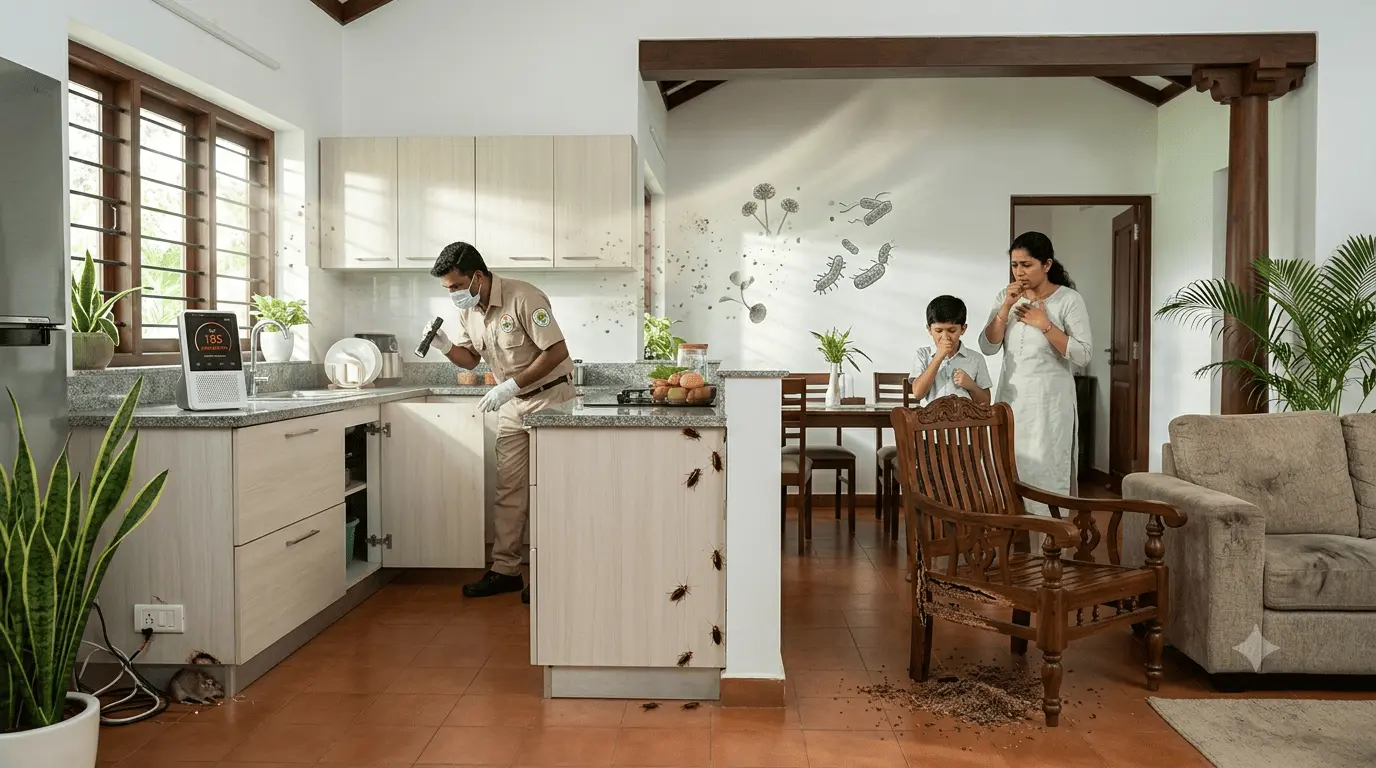
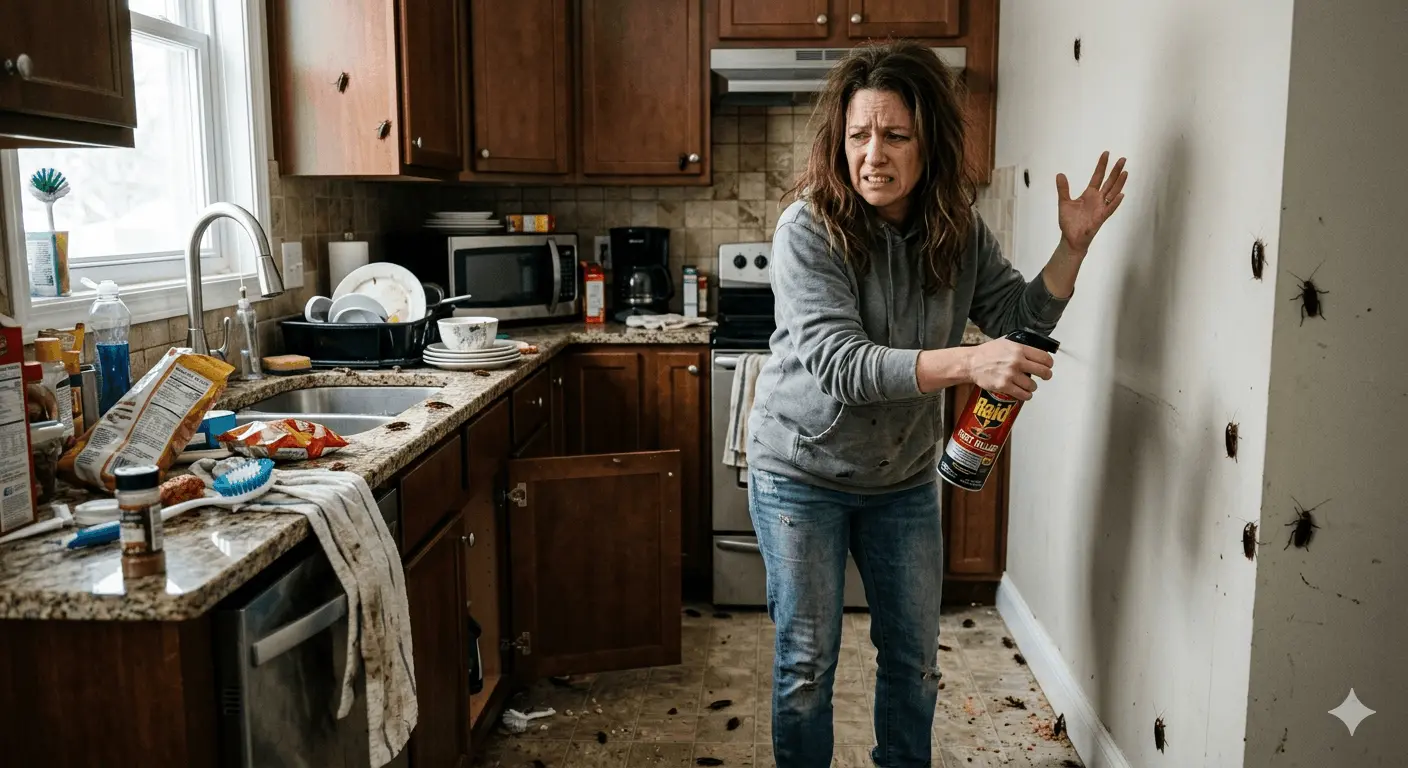
As someone who has spent years in the fi eld working with homeowners and businesses through Pesttrack, I’ve seen a familiar pattern repeat itself. People start with confi dence, a store-bought spray, and a YouTube tutorial—only to call us weeks later when the infestation is worse. DIY solutions can feel empowering, but when they fail, it’s usually because of a few critical missteps in Pest Control .
Treating Only What You Can See
One of the biggest mistakes I encounter is focusing solely on visible pests. Ants on the kitchen counter or cockroaches in the bathroom are only the tip of the problem. Most infestations originate from hidden nests, wall cavities, drains, or soil. Effective Pest Control (2) requires understanding pest biology and breeding behavior, not just reacting to surface activity.
Using the Wrong Chemical—or Too Much of It
More is not better. Overusing pesticides or applying the wrong formulation often leads to resistance, making pests harder to eliminate. I’ve walked into homes where DIY attempts actually scattered pests deeper into the structure. Professional Pest Control (3) relies on precise dosing, correct product selection, and safe application methods backed by training and regulation.
Ignoring the Root Cause
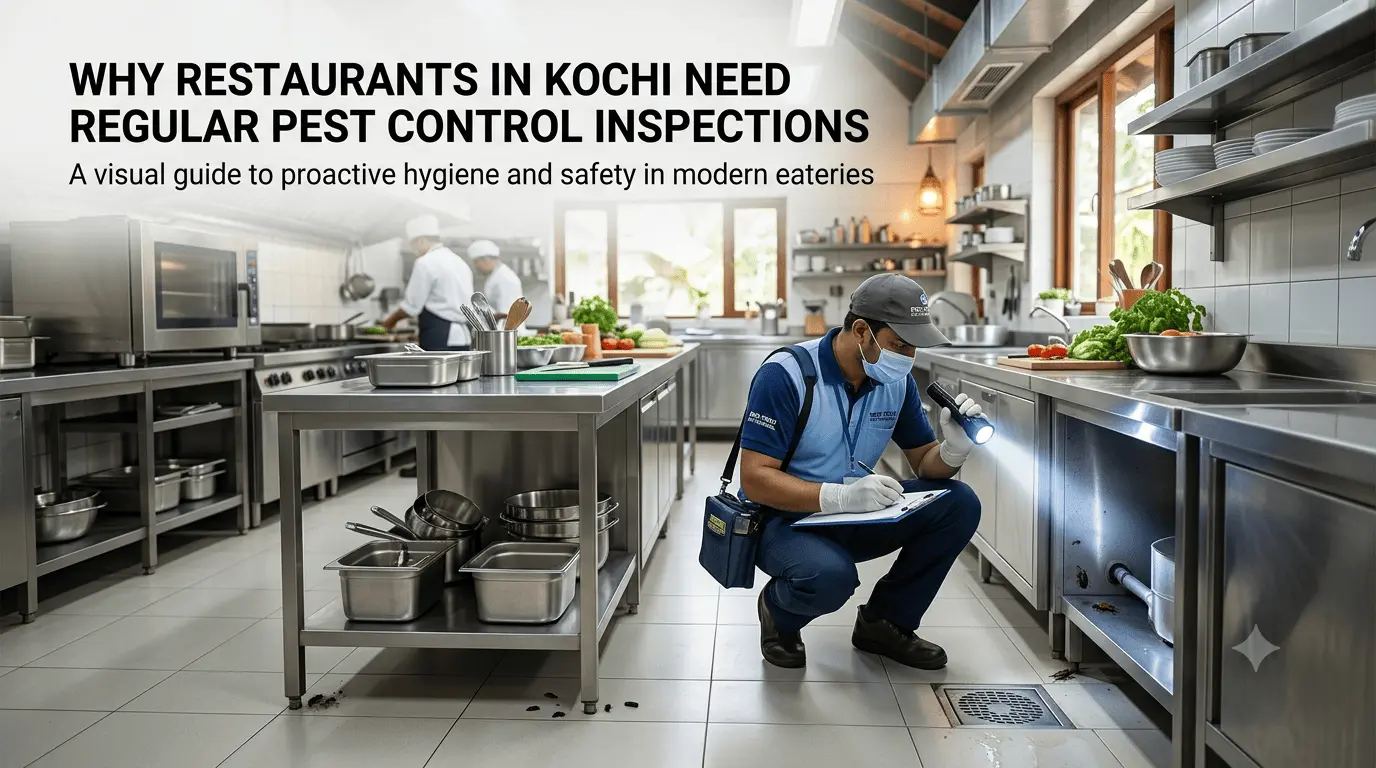
Many people ask me mid-job, “Why do they keep coming back?” The answer is almost always moisture, food access, or structural gaps. Without addressing these conditions, even the best Pest Control (4) treatment won’t last. This is why experienced contractors inspect drainage, ventilation, and entry points—not just the infestation itself.
Skipping Follow-Ups and Monitoring
DIY methods often stop after a single application. In reality, most infestations require monitoring and follow-up treatments based on pest life cycles. Long-term Pest Control (5) success depends on tracking activity over time, something most homeowners understandably overlook.
Underestimating Health and Safety Risks
A question I’m often asked is: “Is DIY pest treatment safe for children and pets?” The honest answer is—only if you fully understand the product and application method. Many over-the-counter chemicals are misused, leading to contamination and health risks. Certifi ed Pest Control (6) professionals are trained to minimize exposure while maximizing effectiveness.
Assuming All Pests Are the Same
Another common question I hear is: “Why didn’t the same spray work for termites and ants?” Because pests behave differently. Termites, rodents, bed bugs, and cockroaches each require specialized strategies. One-size-fi ts-all solutions rarely work in professional Pest Control
Waiting Too Long to Call an Expert
The most expensive infestations I’ve handled started as “small issues” that were ignored or repeatedly DIYed. Early intervention saves money, protects property, and reduces health risks. Knowing when to step back and call for expert Pest Control (8) is not a failure—it’s a smart decision.
Conclusion
DIY pest solutions aren’t always wrong—but they are often incomplete. Experience teaches you where pests hide, how they adapt, and why shortcuts fail. If you’re facing repeat infestations or growing damage, it may be time to move beyond trial-and-error and choose a solution built on real-world expertise.