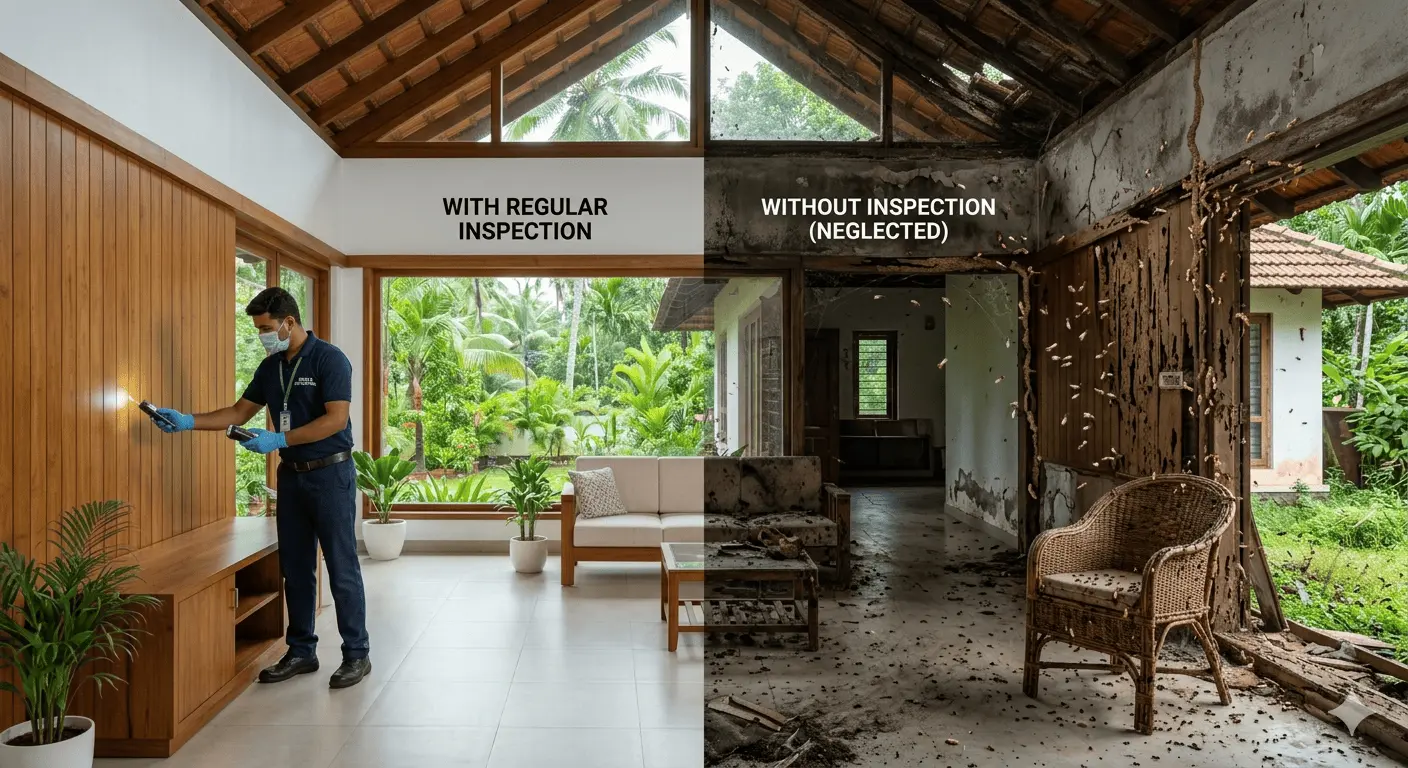
Why Regular Pest Inspections Save Money on Property Repairs
Indroduction
After working on residential and commercial properties for years, I’ve learned one hard truth the expensive way—most property damage doesn’t happen overnight. It builds quietly, behind walls, under floors, and inside wooden structures. Regular inspections are one of the smartest investments a property owner can make, especially when supported by professional Pest Control practices that catch issues long before they turn into repair nightmares.
Small Pest Issues Become Big Repair Bills
From my experience on construction sites and renovation projects, termites, rodents, and moisture-loving insects rarely announce their arrival. By the time visible damage appears, structural elements are often already compromised. This is where timely Pest Control inspections make a financial difference—identifying early warning signs saves you from replacing beams, rewiring damaged cables, or rebuilding weakened walls.
Many clients ask me during site visits, “Can pests really cause structural damage?” The answer is always yes. Termites alone can hollow out wood silently, while rodents chew insulation and electrical wiring, increasing fire risk and repair costs.
Prevention Costs Less Than Restoration
I’ve seen property owners hesitate over inspection costs, only to spend ten times more on emergency repairs later. Routine Pest Control inspections are far more affordable than major restoration work. Think of inspections as preventive maintenance—just like servicing a vehicle before the engine fails.
Another question I hear often is, “How often should inspections be done?” For most properties, annual inspections are sufficient, while high-risk areas may need more frequent checks. This proactive approach keeps repair budgets predictable and manageable.
Protecting Property Value and Compliance
When working with landlords and commercial property owners, one concern always comes up—asset value. Unchecked infestations can reduce resale value and even cause compliance issues during property audits. Regular Pest Control documentation demonstrates responsible ownership and protects long-term investment returns.
Property buyers also ask, Will inspection records matter during resale?” Absolutely. Clean inspection histories build buyer confidence and reduce negotiation pressure related to repair costs.
Early Detection Saves Structural Integrity
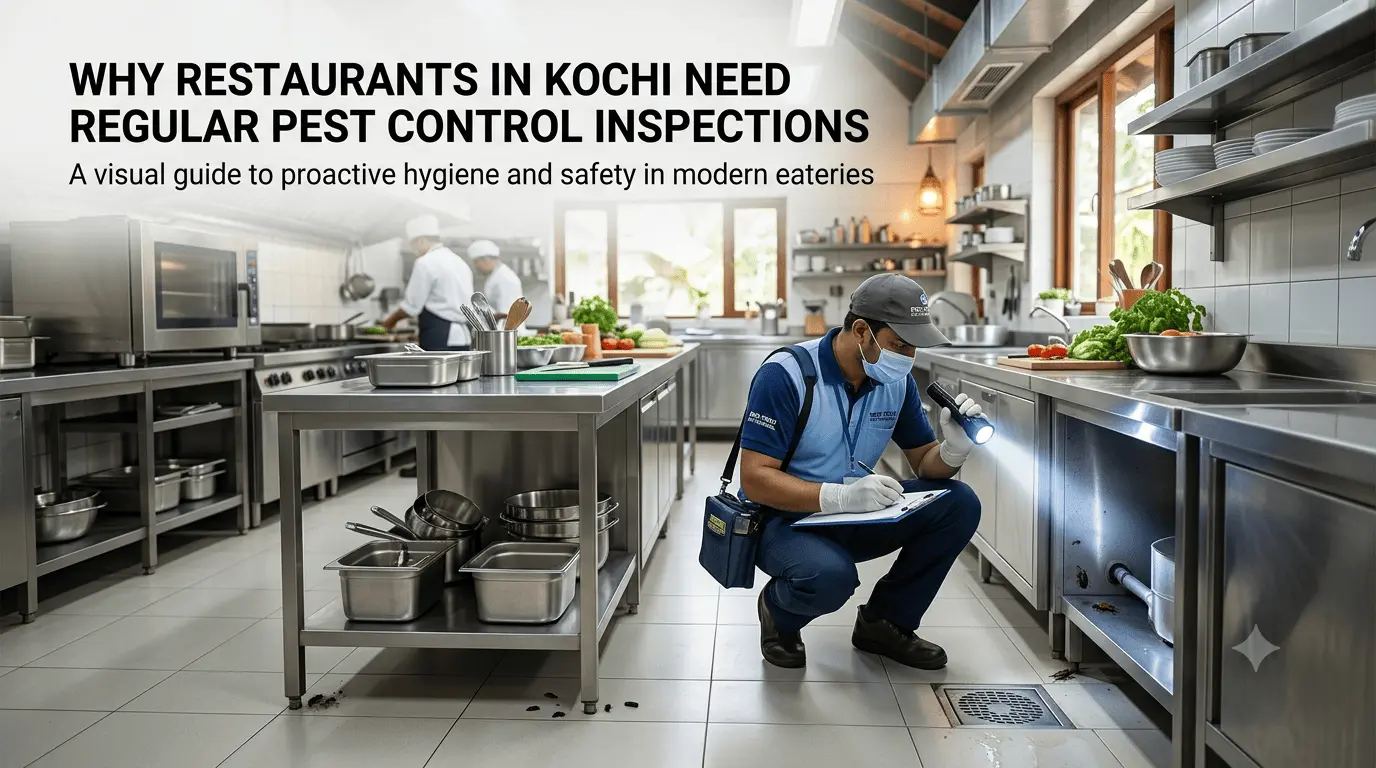
In my line of work, early detection is everything. Minor infestations identified during routine Pest Control inspections can be resolved quickly without invasive repairs. Left unchecked, the same issue can weaken foundations, damage drywall, and compromise roofing materials—costs that escalate fast.
People often wonder, “Can inspections really find hidden pests?” Yes—trained professionals use tools and experience to identify subtle signs most owners overlook.
Long-Term Financial Planning Made Easier
From a contractor’s perspective, predictable maintenance is always cheaper than emergency fixes. Scheduled Pest Control inspections help property owners plan budgets, avoid surprise expenses, and extend the lifespan of critical building materials.
One last common question I’m asked is, “Is professional inspection really necessary?” Based on years in the field, I can confidently say yes. DIY checks miss early-stage infestations that only trained eyes can spot.
Conclusion
Regular inspections aren’t an added expense—they’re a financial safeguard. Over time, consistent Pest Control reduces repair costs, protects structural safety, and preserves property value. As someone who’s repaired damage that could’ve been prevented, I always advise owners to inspect early, inspect regularly, and invest wisely.